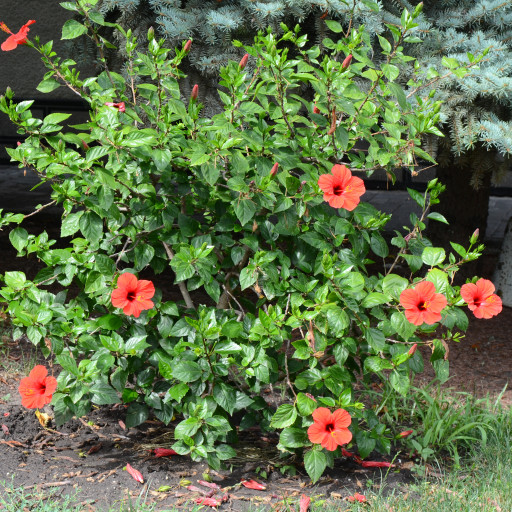
Plant Overview
Often called the "Queen of Tropical Flowers" or the "Shoeblack Plant," Hibiscus rosa-sinensis is the ultimate symbol of island paradise. Native to East Asia, it has been a garden staple for centuries, celebrated for its flamboyant, plate-sized blooms that last only a day but appear in a constant, vibrant relay. In many Pacific cultures, tucking one behind your ear isn't just a fashion statement—it’s a silent language used to signal your relationship status!
🔍 How to Identify
- 🌺 The Blooms: Large, trumpet-shaped flowers with five or more papery petals. They come in every "sunset" color imaginable, from fiery red and hot pink to lemon yellow.
- 🧪 Central Column: A very long, prominent tube (the staminal column) that thrusts out from the center of the flower, tipped with fuzzy, yellow pollen-covered anthers.
- 🍃 Glossy Foliage: The leaves are a deep, lustrous green with "toothed" or serrated edges and a distinct pointed tip, arranged alternately along the woody stems.
🏡 In Your Garden
- ☀️ Sun Worshiper: These plants are energy-hungry. They need at least 6 to 8 hours of direct sunlight to fuel those massive blooms. If your Hibiscus is "all leaves and no flowers," it’s likely begging for more light.
- 💧 The Moisture Balance: They enjoy consistent moisture but will drop yellow leaves in protest if the soil stays soggy. They have a high transpiration rate, so in peak summer, they might need a drink every single day.
- ✂️ Pruning & Growth: Because they bloom on "new wood," pruning in early spring helps create a bushier plant with more flower-bearing tips. They can be trained as a shrub, a hedge, or even a small "standard" tree.
⚠️ Safety & Toxicity
- 🥗 Human Safe: The flowers are non-toxic to humans and are frequently used to garnish tropical dishes or dried for tart, Vitamin C-rich teas.
- 🐾 Pet Warning: According to the ASPCA, this species is considered non-toxic to dogs and cats, but eating large amounts of the foliage can still cause mild digestive upset or nausea.
- 🧤 Skin Sensitivity: While rare, the sap can occasionally cause mild skin irritation for people with high sensitivity during heavy pruning.
✨ Fun Fact
In parts of India and Southeast Asia, the flower petals were traditionally crushed and used to polish leather shoes, which is how it earned the nickname "Shoeblack Plant." It is also the proud national flower of Malaysia, where it is known as Bunga Raya.

Detailed Care Instructions
Tropical hibiscus plants are relatively easy to care for as long as they get enough light and water.
Why do tropical hibiscus blooms only last a day?
It takes a lot of energy for a plant to create a beautiful hibiscus bloom. However, once the bloom fades, a new one immediately takes its place. Cooler weather may yield slightly longer blooms and newer hybrids have blooms that can last three days.
How long will tropical hibiscus live?
Many traditional varieties of tropical hibiscus can live for over 50 years, but newer hybrids have a lifespan of up to 10 years.
| Color | White, Red, Pink, Orange, Yellow, Peach, Purple |
| Soil Ph | 6.8 |
| Humidity | High |
| Lighting | Full Sun |
| Soil Type | Loamy |
| Bloom Time | Summer Through Fall |
| Difficulty | Hard |
| Plant Type | Evergreen Perennial Flower |
| Mature Size | 15 Feet |
| Native Area | East Asia |
| Temperature | 20°C - 25°C |
| Sun Exposure | Full Sun, Part Sun, Full Shade, Part Shade |
| Hardiness Zones | 9 Through 11 |
To grow a Hibiscus Rosa-sinensis plant, follow these steps:
- Select a suitable location: Choose a spot that receives at least 6-8 hours of direct sunlight daily. The plant also prefers a warm climate.
- Prepare the soil: Hibiscus plants prefer well-draining soil with a slightly acidic pH (around 6.0-6.8). Improve the soil quality by adding compost or organic matter to enhance drainage.
- Choose a healthy plant: Purchase a healthy-looking Hibiscus Rosa-sinensis plant from a local nursery or garden center. Look for a plant with green leaves and no signs of pests or diseases.
- Dig a hole: Dig a hole in the prepared soil that is slightly larger than the plant's root ball.
- Plant the Hibiscus: Gently remove the plant from its container and place it in the hole. Make sure the top of the root ball remains level with the soil surface. Fill the hole with soil, pressing it down gently to eliminate air pockets.
- Water the plant: Water the newly planted Hibiscus thoroughly to help settle the soil. Continue to water the plant regularly, keeping the soil evenly moist but not waterlogged.
- Fertilize regularly: Apply a balanced fertilizer specifically formulated for Hibiscus plants every 4-6 weeks during the growing season. Follow the product instructions for proper dosage.
- Prune the plant: Hibiscus plants benefit from regular pruning to promote bushier growth. Prune back any dead or damaged branches, as well as any old or leggy growth. Trim the plant to maintain the desired shape.
- Protect from frost: If you live in a region with colder temperatures, provide frost protection for your Hibiscus plant during the winter months. Bring the plant indoors or cover it with a frost blanket to prevent damage.
- Monitor for pests and diseases: Keep an eye out for common pests like aphids, scales, or spider mites. Treat the plant with appropriate insecticides or natural remedies if necessary. Also, watch for signs of diseases such as powdery mildew or leaf spot and take appropriate action to control them.
By following these steps, you should be able to successfully grow a Hibiscus Rosa-sinensis plant and enjoy its beautiful blooms. Remember to provide proper care, including regular water, sunlight, and fertilizer, to help the plant thrive.

Place in a bright room that is sun drenched almost all day. Or directly in a south-facing window.

1. Determine the watering needs of the individual plant by assessing its soil moisture level and the surrounding environment.
2. Use a watering can or hose with a gentle stream to water the plant, taking care not to disturb the soil or foliage.
3. Water the plant at its base, aiming for the soil and roots rather than the leaves or flowers.
4. Avoid overwatering the plant, as this can lead to root rot and other issues.
5. Monitor the plant regularly and adjust watering frequency as needed based on its response to the current watering schedule.
6. If in doubt, seek guidance from a gardening expert or consult a reputable resource for more information on best practices for watering Hibiscus Rosa-sinensis plants.
To fertilize this plant, use a balanced fertilizer with equal ratios of nitrogen, phosphorus, and potassium. Apply the fertilizer in the early morning or late afternoon, and avoid getting it on the leaves. Water the plant immediately after fertilizing to help the nutrients go into the soil. Fertilize every two weeks during the growing season, and reduce the frequency during the winter months. Over-fertilization can burn the plant's roots, so it's important to follow the recommended dosage.
The recommended soil for Hibiscus Rosa-sinensis plants is a well-draining potting mix that is rich in organic matter. The soil pH should be between 6.0 and 7.0, which is slightly acidic to neutral. It is also important to ensure that the soil is not compacted or too heavy, as this can lead to poor drainage and root rot. The soil should be kept moist but not waterlogged, and fertilized regularly with a balanced fertilizer during the growing season. Additionally, adding perlite or coarse sand to the potting mix can help to improve drainage and prevent waterlogging.
To propagate this plant, you will need to first take a cutting from a mature and healthy plant. Use a sharp, sterile pair of pruning shears to cut a section of stem that is approximately 6 inches long and has several nodes along the length. Remove any leaves from the bottom 2 inches of the stem.
Next, prepare a container filled with a well-draining soil mix. Make a hole in the soil and dip the bottom of the cutting in rooting hormone powder. Place the cutting in the hole and firm the soil around it.
Water the cutting thoroughly and cover it loosely with a plastic bag to keep the humidity levels high. Keep the cutting in a bright, but indirect, light and check the soil regularly to ensure it stays moist.
After a few weeks, the cutting should begin to develop new growth, which is a sign that it has rooted successfully. Once it has established a good root system, it can be transplanted into a larger container or planted directly into the garden.
Common pests of the chinese hibiscus include Mealybugs, spider mites, fungus gnats, aphids, thrips. Make a habit of checking your chinese hibiscus frequently for pests so that any infestations can be caught and managed early.








