Plant Overview
Often called the Sea Hibiscus or Coast Cottonwood, this coastal icon is a true survivor of the tides. Found lining tropical shorelines from Hawaii to Southeast Asia, it is famous for its "magic" flowers that change color within a single day. In many Pacific cultures, it is a tree of life, historically providing shade, medicine, and cordage for ancient voyagers.
🔍 How to Identify
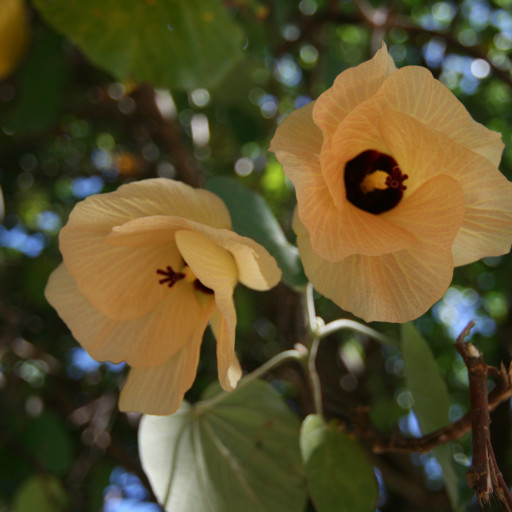
- 🍃 Heart-Shaped Foliage: The leaves are broad, leathery, and distinctly heart-shaped (cordate) with a soft, silvery-green underside that feels slightly fuzzy.
- 🌼 Color-Changing Blooms: Large, cup-shaped flowers open bright yellow with a deep maroon center in the morning, only to deepen into a dusky orange or brick-red by sunset before falling.
- 🌳 Spreading Canopy: It usually grows as a multi-stemmed, sprawling tree with crooked, interweaving branches that create a dense, umbrella-like shade.
🏡 In Your Garden
- 🌊 Salt & Sand Mastery: This plant thrives where others fail—right on the beach. It has evolved to handle salty sea spray and poor, sandy soils with ease, making it the ultimate coastal windbreak.
- 🚿 Wet Feet Welcome: While it is drought-tolerant once established, it is one of the few hibiscus species that can handle "wet feet" or even occasional flooding, making it perfect for boggy spots or rain gardens.
- ✂️ Growth Habit: Because it grows rapidly and its branches tend to droop toward the ground, it requires regular structural pruning if you want to maintain it as a single-trunk tree rather than a thicket.
⚠️ Safety & Toxicity
- ✅ Low Risk: The Sea Hibiscus is generally considered non-toxic to humans and common household pets like cats and dogs.
- ✋ Sap Sensitivity: While not poisonous, the milky sap found in the stems can occasionally cause mild skin irritation for people with high sensitivities. It is always best to wear gloves when doing heavy pruning.
✨ Fun Fact
The inner bark of the Sea Hibiscus is incredibly fibrous and strong. In traditional Polynesian cultures, the bark was stripped and soaked to create "hau" rope, which was strong enough to lash together the components of massive, ocean-going voyaging canoes!

Detailed Care Instructions
| Humidity | High |
| Lighting | Full Sun |
| Difficulty | Hard |
| Hibernation | Cold Period |
| Temperature | 21°C - 29°C |
To grow a Hibiscus Tiliaceus plant, also known as the Sea Hibiscus or Beach Hibiscus, follow these steps:
- Climate and Location: Hibiscus Tiliaceus thrives in warm tropical or subtropical climates. It prefers full sun exposure but can tolerate partial shade. Choose a location with well-draining soil.
- Soil Preparation: Hibiscus Tiliaceus prefers slightly acidic soil with a pH range of 5.5-7.0. Amend the soil by adding organic matter, such as compost or well-rotted manure, to improve drainage and fertility.
- Plant Selection and Propagation: Obtain a healthy Hibiscus Tiliaceus plant from a reputable nursery or propagate one from seeds or cuttings. If using seeds, soak them in warm water for a few hours before planting to improve germination.
- Planting: Dig a hole that is twice as wide and deep as the root ball. Gently remove the plant from its container or carefully extract it from the ground if it's a cutting. Place the plant in the hole and backfill with soil, ensuring that the base of the stem is level with the soil surface.
- Watering: Water the newly planted hibiscus thoroughly to settle the soil around the roots. Afterwards, water the plant regularly but avoid overwatering, which can lead to root rot. Allow the top inch of soil to dry between waterings.
- Fertilization: Feed the Hibiscus Tiliaceus plant with a balanced slow-release fertilizer during the growing season. Follow the manufacturer's instructions for dosage and frequency. Additionally, you can apply a liquid fertilizer high in potassium to promote blooming.
- Pruning: Prune the plant to shape it and remove dead or unhealthy branches. Regular pruning also encourages fuller growth and more abundant flowering. Perform major pruning during the dormant season or early spring.
- Pests and Diseases: Monitor the plant for pests such as mealybugs, aphids, or spider mites, and treat them promptly with insecticidal soap or neem oil if detected. Watch out for fungal diseases like leaf spot or rust and apply a suitable fungicide if necessary.
- Mulching: Apply a layer of organic mulch, such as wood chips or shredded leaves, around the base of the plant to help retain moisture, suppress weeds, and regulate soil temperature.
- Cold Protection: If you live in a colder region, protect the Hibiscus Tiliaceus plant during the winter by covering it with a frost cloth or moving it indoors to a well-lit location.
By following these steps, you can successfully grow a Hibiscus Tiliaceus plant and enjoy its beautiful flowers and ornamental nature.

Place in a bright room that is sun drenched almost all day. Or directly in a south-facing window.

To water this plant, ensure the soil around it is slightly damp and not dry to the touch before watering. Use a watering can to gently water the soil around the plant, avoiding getting any water on the leaves. Water thoroughly, until water starts to drain out of the bottom of the pot or the soil is moistened to a depth of at least 6 inches. Avoid overwatering the plant or letting it sit in water as this can cause root rot. The frequency of watering may depend on factors such as temperature and humidity, but generally, this plant requires moderate watering.
To fertilize this plant, use a balanced fertilizer with equal parts nitrogen, phosphorus, and potassium. Apply the fertilizer during the growing season, typically in the spring and summer months. Use a liquid or granular fertilizer and apply according to the package instructions. It is important not to over-fertilize this plant, as it can cause damage and inhibit growth. It is recommended to conduct a soil test to determine if the plant requires any additional nutrients.
The best soil to use with this plant is a well-draining soil mixture that is slightly acidic and rich in organic matter. The soil should be moist but not overly wet, as this can lead to root rot. It is also important to ensure that the soil has good airflow and is not too compacted, as this can restrict root growth. A regular fertilization schedule can also help to promote healthy growth and flowering.
To propagate this plant, first select healthy and mature stems that are several inches long. Then, remove the lower leaves from the stem and make a diagonal cut at the base of the stem, just below a leaf node.
Dip the cut end of the stem into rooting hormone powder and place it into a pot of moist soil. Water the plant and place it in a warm, bright location with indirect sunlight.
Keep the soil consistently moist and mist the plant regularly to increase humidity. Within a few weeks, roots should begin to form from the cut end of the stem. Once a good root system has developed, the new plant can be transplanted into a larger pot or outdoors into a suitable location.
It is recommended to propagate this plant during the growing season, which is typically in the spring and summer months.
Common pests of the sea hibiscus include Mealybugs, spider mites, fungus gnats, aphids, thrips. Make a habit of checking your sea hibiscus frequently for pests so that any infestations can be caught and managed early.








