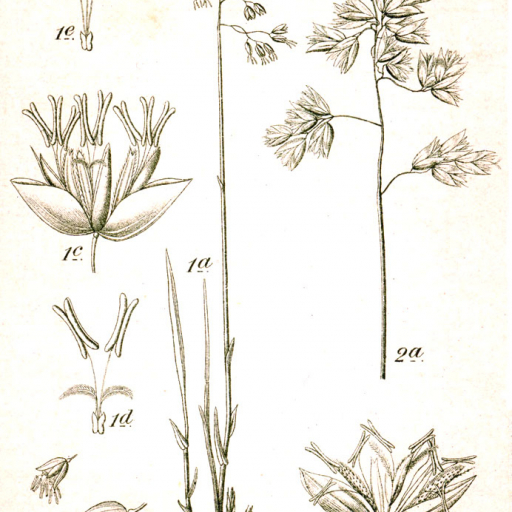
Plant Overview
Known as Southern Holy Grass, Hierochloe australis is a fragrant woodland treasure steeped in European tradition. For centuries, this grass was strewn across church doorsteps during religious festivals, filling the air with a sweet, vanilla-like aroma as the congregation walked over it. Unlike its more aggressive cousins, this species is a refined, clumping grass that prefers the quiet dappled light of ancient forests over open meadows.
🔍 How to Identify
- 🍃 The Foliage: Look for narrow, flat green blades that grow in elegant, loose tufts rather than spreading through thick mats.
- 🌾 The Panicles: In late spring, it produces delicate, airy flower clusters (panicles) that have a distinct bronzed or golden-brown tint, shimmering slightly in the wind.
- 👃 The Scent: The most reliable ID is the fragrance; when the leaves are crushed or dried, they release a potent, sweet scent reminiscent of fresh hay and vanilla.
🏡 In Your Garden
- 🌳 Woodland Roots: Because its natural home is the forest floor, this grass thrives in partial shade. It is the perfect choice for "softening" the edges of a shaded path or planting beneath deciduous trees.
- 💧 Moisture Balance: It prefers soil that mimics a forest—rich in organic matter and consistently moist but never waterlogged. It dislikes "wet feet" during the winter dormancy.
- ⏳ Slow & Steady: Unlike many ornamental grasses that can become invasive, Southern Holy Grass is a slow grower. It won't take over your garden, making it an excellent companion for delicate woodland wildflowers.
⚠️ Safety & Toxicity
- ✅ General Safety: This plant is considered non-toxic to humans and common household pets like cats and dogs when touched or grown in the garden.
- 🐄 Livestock Note: Like many "sweet grasses," it contains coumarin. While it smells wonderful, it should not be fed as a primary forage to livestock in large, moldy quantities, as fermented coumarin can interfere with blood clotting in cattle.
- 🚫 Not for Kitchens: While it smells like vanilla, it is typically used for fragrance or incense rather than as a culinary herb.
✨ Fun Fact
The genus name Hierochloe literally translates from Greek as "Holy Grass" (hieros = sacred, chloe = grass). In many parts of Northern Europe, it was traditionally dedicated to the Virgin Mary because of its heavenly scent.

Detailed Care Instructions
To grow Hierochloe Australis, commonly known as Australia's scented grass or Cymbopogon ambiguus, follow these steps:
- Climate and soil requirements: Hierochloe Australis prefers a warm and moist climate, so choose a location with full or partial sun and well-draining soil. It can tolerate different soil types but thrives in slightly acidic to neutral soil.
- Ideal planting time: Plant the grass in late spring or early summer when the soil temperature has warmed up. This will give the grass enough time to establish its root system before the colder months arrive.
- Propagation: Hierochloe Australis can be propagated by seeds or through division. Seeds can be sown directly in the garden or started indoors in seed trays following the packet instructions. If you choose division, carefully dig up an established clump and separate it into smaller sections with roots attached.
- Planting: Prepare the soil by removing any weeds or rocks and loosening it with a garden fork. Create furrows or holes, spacing them about 12 to 18 inches apart. If using divisions, place each section in a hole, ensuring the crown is level with the soil surface. If sowing seeds, sprinkle them lightly over the prepared soil and cover with a thin layer of soil or vermiculite.
- Watering: Keep the soil consistently moist until the grass is established. Water deeply but infrequently, allowing the top inch of soil to dry out before watering again. Once the grass is established, it can tolerate occasional dry periods but performs best with regular watering.
- Mulching: Apply a layer of organic mulch around the plants to help retain moisture and suppress weed growth. Avoid mulching directly against the stems to prevent rot.
- Maintenance: Avoid over-fertilization, as this can lead to weak growth. Once established, Hierochloe Australis is generally low maintenance. Trim back the plant in late winter or early spring to encourage fresh growth.
- Harvest: The leaves of Hierochloe Australis plants can be harvested for their pleasant lemony fragrance. Cut the leaves above the crown, leaving a few inches of growth to ensure regrowth.
By following these steps, you should be able to successfully grow Hierochloe Australis in your garden.
In order to properly water this plant, it is important to consider its specific watering needs. First, make sure the soil is evenly moist, but not waterlogged or completely dried out. It is important to water the plant deeply, allowing the water to soak into the soil rather than just watering the surface.
When watering, avoid getting water on the leaves of the plant as this can lead to rot or disease. Use a watering can or a hose with a gentle stream to water the soil around the base of the plant.
Check the soil regularly to ensure it remains moist and adjust watering accordingly. In general, this plant prefers consistently moist soil but can tolerate periods of drought.
Finally, it is important to provide good drainage to prevent water from accumulating around the roots of the plant. Ensure that the pot or soil has adequate drainage holes and consider adding a layer of gravel or sand to the base of the pot to aid drainage.
To fertilize this plant, use a balanced fertilizer with equal amounts of nitrogen, phosphorus, and potassium. Apply the fertilizer once a month during the growing season, from early spring to late summer. Water the plant well before and after applying the fertilizer to prevent burning the roots. Be careful not to over-fertilize, as this can lead to excessive foliage growth at the expense of flower production. Monitor the plant for signs of nutrient deficiency or excess, such as yellowing leaves or stunted growth, and adjust the fertilizer application accordingly.
The best soil for the plant should be well-drained and fertile with a slightly acidic to neutral pH range between 6.0 and 7.5. The soil should also be rich in organic matter to provide the plant with the necessary nutrients. It is recommended to use a mix of compost, peat, and sand to ensure proper soil drainage and aeration. The plant prefers moist soil, so it is essential to avoid waterlogging or leaving the soil too dry. Additionally, the plant requires a sunny to partially shady spot to grow, and it should be protected from strong winds and extreme temperatures.
To propagate this plant, take stem cuttings in the spring or early summer when the plant is actively growing. Use a sharp, clean pair of gardening scissors to cut a section of stem that is at least 3-4 inches in length. Remove any leaves from the bottom half of the stem, leaving only a few near the top.
Prepare a pot of well-draining soil, such as sandy loam or a mix of sand and peat moss. Dip the cut end of the stem into rooting hormone powder, if desired, to encourage faster rooting.
Make a hole in the soil and gently insert the stem cutting into it, pressing the soil around the base to hold it in place. Water thoroughly to settle the soil and encourage root growth.
Cover the pot with a clear plastic bag or place it in a humid environment, such as a propagation tray with a clear lid. This will help maintain moisture levels and promote root growth.
Keep the soil evenly moist but not waterlogged, and place the pot in a warm, bright location but out of direct sunlight. Check for roots after a few weeks by carefully lifting the stem cutting–if there are roots present, it is ready to be transplanted into a larger pot or outside in a suitable location.








