Plant Overview
Known as the "backbone of the desert," the Big Galleta is a rugged, silver-blue perennial bunchgrass that defines the arid landscapes of the American Southwest. This survivor doesn't just endure the heat; it thrives in it, forming sturdy hummocks that anchor shifting sands in the Mojave and Sonoran deserts. Often called the "biscuit grass" because of its historical use as forage, it is a master of water conservation and soil stabilization.
🔍 How to Identify
- 🌾 Growth Habit: It forms dense, coarse clumps (tussocks) that can reach up to 3 feet in height and width, often appearing somewhat "woody" at the base.
- ❄️ Foliage Texture: The leaves are a striking glaucous (blue-green) color, stiff to the touch, and often covered in fine, felty hairs that help the plant reflect intense desert sunlight.
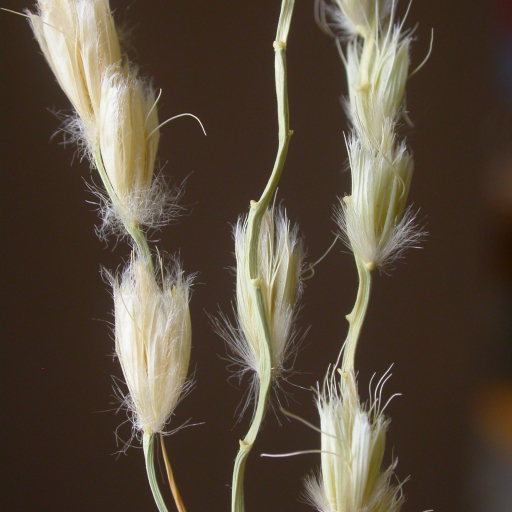
- 🌾 Flower Spikes: The flowering stems are rigid and carry wavy, spike-like seed heads that have a slightly fuzzy or "zigzag" appearance when viewed up close.
🏡 In Your Garden
- 🏜️ The Ultimate Xeriscape: If you live in an arid climate, Big Galleta is a "plant it and forget it" species. It requires almost no supplemental water once established and is perfect for preventing wind erosion in sandy yards.
- 🐢 Wildlife Magnet: In a naturalistic garden, this grass acts as a sanctuary. In the wild, it is a primary food source for desert tortoises and provides essential nesting cover for small birds and lizards.
⚠️ Safety & Toxicity
- ✅ Status: Generally non-toxic and safe for homes and livestock.
- 🌵 Physical Warning: While not chemically toxic, the stems and leaf blades become very rigid and sharp as they dry. Curious pets or toddlers might find the dry clumps a bit "pokey" or abrasive if they run through them.
✨ Fun Fact
Big Galleta is a "rhizomatous" grass, meaning it spreads through underground runners. These runners create a vast, hidden net beneath the surface that can hold entire sand dunes in place, preventing them from swallowing roads or habitats during desert windstorms!

Detailed Care Instructions
To grow Hilaria Rigida plants, also known as Big Bend grass, you can follow these steps:
- Choose a suitable location: Hilaria Rigida prefers full sun, so select a spot in your garden that receives at least 6-8 hours of direct sunlight each day. Ensure that the soil is well-draining.
- Prepare the soil: Clear the area of any weeds or debris. Break up the soil using a garden fork or tiller to a depth of 6-8 inches. Mix in some compost or well-rotted manure to improve fertility and drainage.
- Planting: Hilaria Rigida can be grown from seeds or by transplanting small, well-established plants. If using seeds, sow them directly in the prepared soil, following the packet instructions for spacing and depth. If transplanting, dig a hole that is slightly larger and wider than the plant's container. Gently remove the plant from its container and place it in the hole. Backfill with soil, gently firming it around the roots.
- Watering: Keep the soil consistently moist but not waterlogged until the plants are well-established. Once established, Hilaria Rigida is drought-tolerant and only requires occasional watering during dry periods.
- Maintenance: Big Bend grass is generally low-maintenance. However, regular weeding is necessary until the plants form a dense mat. You can also apply a layer of mulch around the plants to suppress weeds and conserve moisture.
- Pruning: Regularly trim back any overgrown or damaged foliage to maintain the plant's appearance. This can be done using shears or a sharp pair of scissors.
- Propagation: Hilaria Rigida can be propagated by dividing mature clumps. To do this, carefully separate clumps of the plant, ensuring that each division has roots attached. Replant the divisions in the desired location and water well.
- Protection: Big Bend grass is generally pest and disease-resistant. However, keep an eye out for any signs of pests or diseases, such as aphids or fungal infections. If necessary, treat the affected plants with appropriate organic or chemical solutions.
By following these steps, you can successfully grow Hilaria Rigida plants and enjoy their ornamental grass-like appearance in your garden.

Place in a bright room that is sun drenched almost all day. Or directly in a south-facing window.

First, ensure that the Hilaria Rigida plant has proper soil drainage. Its roots should not be sitting in standing water for an extended amount of time.
When watering, saturate the soil thoroughly but avoid overwatering. Allow the top inch of soil to dry out before watering again, as the plant prefers slightly drier conditions.
Implement a watering schedule depending on the climate and season. In warmer weather, the plant may require more frequent watering, while in cooler weather, it may need less.
Consider the plant's location and surroundings. If the Hilaria Rigida plant is located near a source of heat or in a particularly dry area, it may require more frequent watering. Alternatively, if it is in a humid environment, it may require less watering.
Be sure to use room temperature or tepid water when watering to avoid shocking the plant with extreme temperatures. Finally, remember to monitor the Hilaria Rigida plant regularly to ensure it is receiving the proper amount of water.
For best results, fertilize the plant during the growing season with a balanced fertilizer. Apply the fertilizer once a month according to the instructions on the package. Avoid over-fertilization as it can lead to excessive growth at the expense of root development. Water the plant thoroughly after fertilizing to prevent burning of the roots.
When planting Hilaria Rigida, it is best to use a well-draining soil mix that's specifically formulated for arid environments. The soil should be rich in minerals, such as iron and magnesium, and should have a slightly alkaline pH level. The soil mix should also be porous, allowing for good air and water circulation, and should be free of clay, which can retain too much moisture near the plant's roots. A blend of sand, gravel, and organic material, such as peat moss or compost, is recommended for potting, while a sandy loam soil is ideal for outdoor planting. Additionally, it is important to note that Hilaria Rigida is a drought-tolerant plant that thrives in full sun and doesn't require frequent watering. Therefore, the soil mix should not retain too much moisture or be overly fertile, as this can cause the plant to grow too quickly and become leggy.
To propagate this plant, first select healthy and matured stems. It is best to take cuttings in the spring or early summer when the plant is actively growing. Use a sharp and sterile pair of pruning shears to cut a stem at least 4 inches long. Remove the lower leaves from the stem but leave a few at the top. Dip the cut end in rooting hormone powder to encourage root growth. Plant the stem in a pot filled with well-draining soil and water it thoroughly. Place the pot in a bright, warm location that receives indirect sunlight. Keep the soil moist but not waterlogged. After a few weeks, roots should start to form and small leaves should appear. Once the new plant has established itself and is growing well, it can be transplanted into a larger container or planted outside.








