Plant Overview
Often called the "Wild Pigeon Plum" or "Icaco-da-mata," Hirtella racemosa is a slender, elegant shrub found deep in the humid forests of Central and South America. Its delicate, drooping flower clusters give it a wispy, ethereal appearance as it hides beneath the dense tropical canopy. In its native lands, it plays a quiet but vital role in feeding local bird populations and providing shelter for forest-floor residents.
🔍 How to Identify
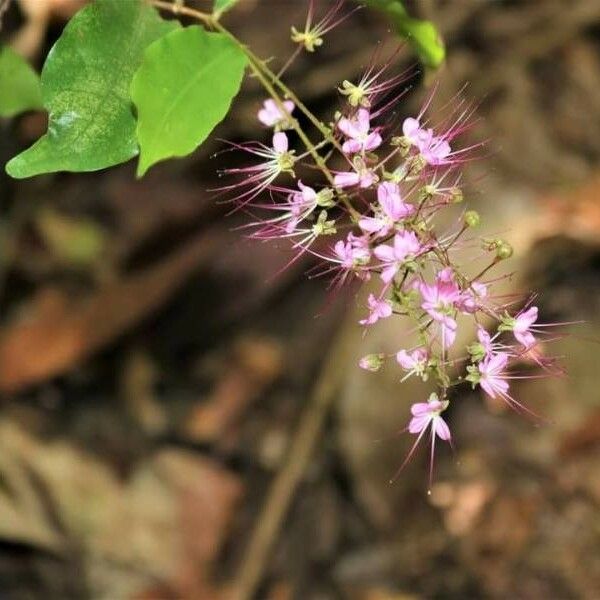
- 🌸 The Whiskered Flowers: The most striking feature is its long, narrow clusters (racemes) of small pink or white flowers. Each bloom has exceptionally long, thread-like stamens that protrude like delicate whiskers.
- 🍃 Pointed Foliage: The leaves are alternate, elliptical, and end in a distinct pointed tip. They have a slightly leathery texture and a vibrant, deep green color.
- 🫐 Small Drupes: After flowering, it produces small, oblong fruits that turn from a reddish-pink to a dark purple or black when fully ripe.
- 🧶 Fuzzy Stems: Younger branches and flower stalks are often covered in fine, velvety hairs, giving the plant a soft, textured feel.
🏡 In Your Garden
- 🌦️ Tropical Understory: Because this plant naturally grows beneath larger trees, it thrives in dappled light or partial shade. It is not a fan of harsh, direct afternoon sun, which can scorch its delicate leaves.
- 💧 Humidity Lover: This is not a "set it and forget it" plant for dry climates. It craves high humidity and consistently moist, acidic soil. If the air is too dry, the leaf tips will quickly turn brown and crispy.
- 🌳 Patience is Key: Hirtella racemosa is a slow-to-moderate grower. It resents being moved once established because its root system is sensitive to disturbance, so choose its "forever home" carefully.
⚠️ Safety & Toxicity
- ✅ Generally Safe: There are no records of Hirtella racemosa being toxic to humans, dogs, or cats.
- 🍽️ Edibility Note: While the small purple fruits are technically edible and are occasionally consumed by locals or foraged by birds, they are often described as bland or slightly astringent. They are better left as a snack for the local wildlife!
✨ Fun Fact
The genus name Hirtella is derived from the Latin word "hirtus," which means "hairy." This refers to the fine, stiff hairs that cover the stems and flower stalks, a natural defense mechanism that helps protect the plant from certain crawling insects.

Detailed Care Instructions
To grow Hirtella Racemosa, also known as the Sacred Garlic Pear, follow these steps:
- Gather seeds: Collect mature seeds from existing Hirtella Racemosa plants. Make sure the seeds are fully ripe, as unripe seeds might not germinate.
- Soil preparation: Prepare a well-draining potting mix consisting of equal parts peat moss, perlite, and sand. This will provide a loose, nutrient-rich medium suitable for seed germination.
- Planting seeds: Sow the Hirtella Racemosa seeds on the surface of the potting mix, gently pressing them into the soil. Do not cover the seeds with soil, as they require light to germinate.
- Provide warmth: Place the pot or tray in a warm location with temperatures between 70-85°F (21-29°C). Ideally, use a heat mat or propagator to maintain consistent warmth which aids germination.
- Maintain moisture: Water the seeds regularly to keep the soil moist but not waterlogged. Use a misting spray bottle or a gentle stream of water to avoid disturbing the seeds.
- Germination period: Hirtella Racemosa seeds can take anywhere from a few weeks to several months to germinate. Be patient and maintain consistent moisture during this period.
- Transplanting: Once the seedlings have developed several true leaves and are sturdy enough, they can be transplanted into individual pots. Use a similar potting mix as mentioned before and ensure the container has adequate drainage holes.
- Light and temperature: Place the potted seedlings in a well-lit area, preferably with indirect sunlight. Maintain temperatures between 70-85°F (21-29°C) to promote healthy growth.
- Care and maintenance: As the plants grow, continue to water them regularly, ensuring the soil remains evenly moist. Fertilize every 4-6 weeks with a balanced liquid fertilizer, following the instructions on the product label. Monitor for any signs of pests or diseases and take appropriate measures if necessary.
- Mature plant care: As the Hirtella Racemosa plant grows larger, you may need to repot it into a larger container. Additionally, consider providing support like a trellis or stake if the plant tends to grow tall and vining.
Remember that Hirtella Racemosa is a tropical plant, so it thrives in warm and humid conditions. It may not tolerate frost or extreme cold, so take necessary precautions during colder months.
To water Hirtella Racemosa plant, you should ensure that the soil is damp but not soaked. It is best to check the soil regularly and water it when it feels dry to the touch. When watering, you should pour water slowly and evenly around the base of the plant, taking care not to water the leaves or flowers. It is also important to allow the soil to drain properly so that the roots are not left sitting in water. Overwatering can cause the roots to rot and damage the plant, so it is important to find a balance between too little and too much water.
For optimal growth of this plant, fertilize it with a balanced fertilizer during the growing season. Use a slow-release fertilizer granule or a liquid fertilizer that contains equal parts of nitrogen, phosphorus, and potassium. Apply the fertilizer every two weeks in the early morning or late evening when the soil is moist. Be careful not to over-fertilize as it can burn the roots. Additionally, periodically add organic matter or compost to the soil to improve its fertility and structure.
Hirtella Racemosa plant thrives in a well-draining soil mix that has a balanced nutrient composition and good water retention capacity. The soil should have a slightly acidic to neutral pH, preferably in the range of 5.5 to 7.5. It should also be rich in organic matter, such as compost or peat moss, to provide a steady supply of nutrients and improve soil structure.
The ideal soil for Hirtella Racemosa should be loose and aerated, allowing good root growth and preventing waterlogging. It should also have good water retention capacity to facilitate optimal moisture levels without causing water stress or root rot.
A recommended soil mix for Hirtella Racemosa is a combination of equal parts potting soil, perlite, and coco coir. This mix provides a balanced and well-draining substrate that holds moisture well while providing enough air circulation to prevent soil compaction. Additionally, you may add slow release fertilizers to boost the plant's nutrient needs.
Avoid using heavy clay soils that can retain too much water and restrict root growth. Also, avoid using sandy soils that are too porous and cannot hold enough moisture. Such soils would likely cause the plant to wilt frequently and hinder its growth.
To propagate this plant, take stem cuttings from a healthy and mature plant. The cuttings should be about 6-8 inches long and taken from the top of the plant. Remove the leaves from the bottom 2-3 inches of the stem, and dip the cut end into rooting hormone powder.
Next, plant the cuttings in a pot filled with moist, well-draining soil. Cover the pot with a plastic bag to create a humid environment and place it in a warm location with bright, indirect light. Mist the cuttings regularly to keep the soil moist and help them develop roots.
After 4-6 weeks, check the cuttings for root development by gently tugging on them. If they have resistance, it means roots have formed. Once this happens, you can remove the plastic bag and gradually acclimate the new plants to their new environment.
After a few more weeks, the new plants should be well-established and ready to be transplanted into their permanent location or larger pots. Keep the soil moist and in bright, indirect light until the new plants are fully established.








