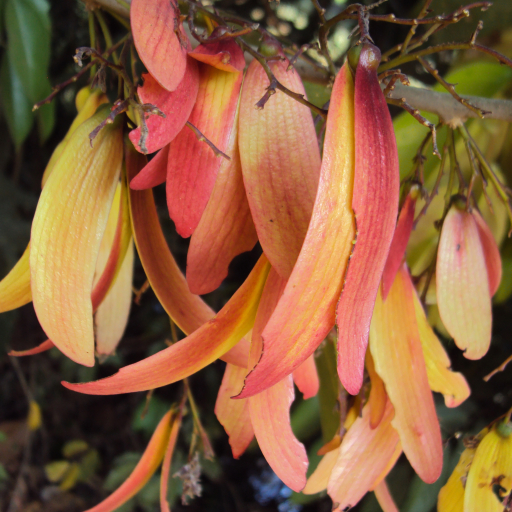
Plant Overview
Known as the Malabar Ironwood or simply Ponga, this elegant evergreen is a rare treasure hailing from the mist-shrouded Western Ghats of India. Historically prized for its incredibly dense, "iron-like" timber, it is a slow-growing guardian of tropical riverbanks. In a garden or landscape setting, it offers a lush, architectural canopy that feels like a piece of an ancient rainforest.
🔍 How to Identify
- 🍃 Glossy Foliage: The leaves are smooth, leathery, and oblong, featuring a prominent midrib that gives them a crisp, structured appearance.
- 🌸 Fragrant Blooms: In late spring, the tree produces delicate, creamy-white flowers arranged in clusters (panicles) that release a soft, sweet scent into the evening air.
- 🚁 Winged Seeds: The most iconic feature is the fruit—a small nut tucked between two long, leaf-like "wings" that help the seeds spin like tiny helicopters as they fall.
🏡 In Your Garden
- 💧 Thirsty Roots: In its natural habitat, Hopea ponga thrives near streams. If planting one, ensure the soil stays consistently moist; it does not tolerate "vivid" dry spells or parched earth well.
- 🌳 The Long Game: This is not a "quick-fix" privacy screen. It invests its energy into heartwood and root stability, meaning it grows slowly but becomes exceptionally sturdy against high winds once established.
- ☁️ Humidity Lover: It craves high humidity. If you live in a drier climate, this tree will likely struggle unless placed in a sheltered spot with plenty of organic mulch to retain ground moisture.
⚠️ Safety & Toxicity
- ✅ General Safety: Hopea ponga is considered non-toxic to humans and common livestock. It is historically used in traditional Ayurvedic practices.
- 🐾 Pet Note: While not listed as a poisonous species, its leathery leaves can be a choking hazard or cause mild digestive upset if chewed on by curious dogs or cats. It is best kept as an ornamental rather than a "snack" plant.
✨ Fun Fact
The seeds of the Hopea ponga are nature’s gliders! Because the tree often grows in dense forests where wind is scarce, the two long wings on the fruit are perfectly balanced to catch even the slightest breeze, allowing the seed to "fly" away from the parent tree to find its own patch of sunlight.

Detailed Care Instructions








