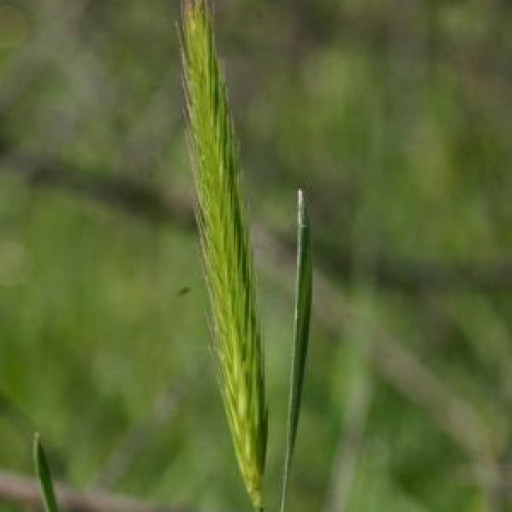
Plant Overview
Often called Meadow Barley, this native North American grass is the rugged, wild cousin of the barley used in your favorite brews. While it looks like a delicate meadow-filler, it is actually a tough-as-nails perennial that thrives in the damp, salty environments where most other grasses would wither. It is a favorite for restoration projects, turning soggy patches of land into shimmering, golden-green carpets.
🔍 How to Identify
- 🌾 Growth Habit: It grows in tidy, dense tufts or "bunches" rather than spreading out via runners, making it a well-behaved guest in a garden bed.
- 🍃 Leaf Texture: The leaves are narrow, flat, and often have a slightly rough texture, displaying a cool green to grayish-blue hue.
- ✨ The Seed Spike: Its most iconic feature is the bristly flower spike. It is densely packed with long, stiff "awns" (hair-like bristles) that give the plant a shimmering, fuzzy appearance when they catch the sunlight.
🏡 In Your Garden
- 💧 The Moisture Lover: Unlike many ornamental grasses that crave dry soil, Meadow Barley loves "wet feet." It is the perfect choice for a rain garden or a low spot in the yard that stays damp after a storm.
- 🦋 A Butterfly Buffet: It serves as a vital nursery for the larvae of several butterfly species, including various Skippers. Planting it helps support the local pollinators and bird populations who feast on its seeds.
- 🧂 Salt Tolerance: This plant is an ecological hero in coastal areas. It can handle high salinity levels, making it one of the few grasses that can thrive near salt marshes or roadside areas where winter salt runoff is an issue.
⚠️ Safety & Toxicity
- ✅ Status: Non-toxic to humans and animals.
- 🐕 Physical Hazard: While not poisonous, the "awns" (the sharp bristles on the seed heads) can be a nuisance for pets. These stiff hairs are designed to hitchhike on fur and can occasionally get stuck in a dog’s ears, paws, or nose, causing irritation or requiring a vet's help to remove.
- ✂️ Maintenance Tip: To keep it safe for curious pets, many gardeners choose to shear the seed heads off once they turn brown and brittle.
✨ Fun Fact
Meadow Barley is considered a "pioneer species." This means it is often the first plant to bravely colonize land that has been disturbed by fire or construction, stabilizing the soil so that other plants can eventually move back in!

Detailed Care Instructions
To grow Hordeum brachyantherum, also known as meadow barley, follow these steps:
- Climate: Make sure you are in a suitable climate for growing the plant. Meadow barley is adapted to a wide range of climates, including arid and semi-arid regions.
- Soil: Hordeum brachyantherum prefers well-drained soils but can tolerate a variety of soil types. Prepare the soil by removing weeds and rocks and loosening it with a garden fork or tiller.
- Preparation: Before sowing, consider stratifying the seeds in the refrigerator for a few weeks. This simulates winter conditions and can increase germination rates.
- Sowing: Scatter the seeds evenly over the prepared soil surface in early spring or fall. Alternatively, you can plant them in containers and transplant later. Lightly press the seeds into the soil, but do not bury them deeply.
- Watering: Water the area thoroughly after sowing to ensure good seed-to-soil contact. Keep the soil consistently moist until germination occurs, which usually takes around 7-10 days.
- Maintenance: After germination, thin the seedlings to allow sufficient space for them to grow. Water the plants regularly, especially during periods of dry weather. Hordeum brachyantherum is adapted to low-nutrient conditions, so avoid over-fertilizing.
- Harvesting: Harvest the seeds when they are fully mature and dry on the plant. Cut the seed heads and hang them upside down in a dry, well-ventilated area to allow further drying. Once the seeds are fully dry, thresh them to remove the chaff.
Remember, depending on your location and intended use, Hordeum brachyantherum may have specific growing requirements. It's always helpful to consult with local horticultural resources or extension services for more targeted guidance.

Place in a bright room that is sun drenched almost all day. Or directly in a south-facing window.

Hordeum Brachyantherum belongs to the family of plants which require a moderate amount of water. The best way to water this plant is by using the drip irrigation method or a watering can with a fine nozzle. It is important to avoid over-watering as this can lead to root rot and other related diseases. The frequency of watering should depend on the weather condition and soil moisture level. In general, the plant should be watered once a week or as needed during dry spells. It is recommended to water the plant early in the morning to prevent evaporation during the day. When watering, it is important to direct the water towards the base of the plant and avoid wetting the foliage to prevent fungal diseases. Overall, providing appropriate water to this plant will result in optimal growth and health.
To fertilize this plant, apply a balanced fertilizer with an N-P-K ratio of 10-10-10. Use a granular fertilizer and apply it at a rate of 1 pound per 100 square feet. Spread the fertilizer evenly over the soil and water it in thoroughly. Fertilize once in the spring before new growth begins. Avoid fertilizing later in the growing season as this can encourage excessive leaf growth at the expense of seed production.
Hordeum Brachyantherum is a species of plant that requires a specific type of soil for optimal growth. This plant requires a soil that has a well-draining quality, as it cannot tolerate waterlogged soil. The ideal soil for this plant is one that is slightly acidic, with a pH range of 6.0 to 6.5. Additionally, the soil should be moderately fertile, with a balanced nutrient content. This can be achieved by adding organic matter, such as compost or well-rotted manure, to the soil.
When planting Hordeum Brachyantherum, it is important to ensure that the soil is properly prepared. This involves loosening the soil to a depth of at least 6 inches, and removing any weeds or other debris. The plant should be planted at a depth of approximately 1 to 2 inches, and spaced at least 6 inches apart.
In order to maintain healthy growth, it is important to regularly monitor the moisture levels of the soil and ensure that the plant is not over or under-watered. Additionally, it may be beneficial to apply a balanced fertilizer, such as a 10-10-10 or 20-20-20, at regular intervals throughout the growing season.
To propagate the plant commonly known as Hordeum Brachyantherum, you can start by collecting its mature seeds. It is advisable to plant the seeds in late fall or at the start of spring. Ideally, you should prepare a seedbed with well-draining soil, where the plants can receive enough sunlight.
When planting, ensure that the seeds are sown at a depth of about a quarter to half-inch in the soil, and then cover them with a thin layer of soil. After planting, water the seedbed lightly and ensure that the soil is moist, but not soaked. Avoid overwatering as this could lead to rotting of the seeds.
In about 2-3 weeks, the seeds should start to germinate, and you will notice the emergence of seedlings. At this point, water the seedlings occasionally, ensuring that the soil remains moist. When the seedlings are 4-6 inches tall, you can transplant them to their permanent location.
To transplant the seedlings, create holes in the ground by loosening the soil. Then carefully remove each seedling from the seedbed, ensuring that you do not damage the roots. Place the seedling in the hole and carefully fill it up with soil, firming it up gently around the roots. Water each seedling generously after transplanting.
Finally, ensure that you provide adequate care and maintenance to the newly propagated plants, including fertilization, watering, and weed control. Over time, the plants will grow and mature, producing more seeds for further propagation.








