Plant Overview
Known as the "Narrow-leaf Hosta," Hosta longissima is an elegant departure from its broad-leaved cousins. Native to the marshy wetlands of Japan, this species brings a delicate, ribbon-like texture to shady garden corners. It is a favorite among collectors who want the hardiness of a Hosta but the graceful silhouette of an ornamental grass.
🔍 How to Identify
- 🍃 Strap-like Foliage: The most defining feature is the leaves—they are incredibly narrow, lance-shaped, and smooth, resembling green ribbons rather than the typical heart-shaped Hosta leaf.
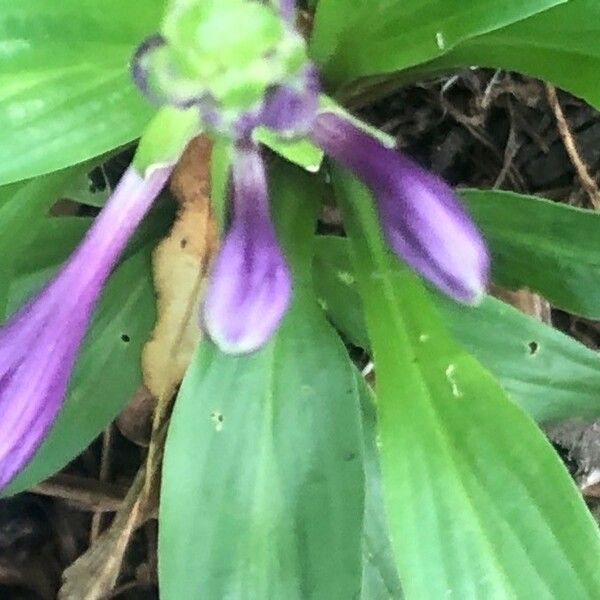
- 🌸 Violet Blooms: In late summer, it produces delicate, funnel-shaped flowers in shades of pale purple or violet that sit atop slender, leafless stalks.
- 📏 Clumping Habit: It grows in tidy, compact mounds, usually staying under a foot in height, making it an excellent choice for front-of-border planting.
🏡 In Your Garden
- 💧 The "Bog" Hosta: Unlike many Hostas that prefer well-drained soil, longissima is a moisture-lover. In the wild, it grows in wet meadows and marshes, so it thrives in soil that stays consistently damp.
- ☁️ Filtered Light: It performs best in dappled shade. Because its leaves are quite thin, harsh afternoon sun can quickly scorch the edges, turning the beautiful green ribbons brown.
⚠️ Safety & Toxicity
- 🐾 Toxic to Pets: This plant contains saponins, which are toxic to dogs, cats, and horses. If ingested, it can cause vomiting, diarrhea, and abdominal pain.
- 👶 Low Risk for Humans: It is generally considered non-toxic to humans, though the sap may cause very mild skin irritation for those with highly sensitive skin.
✨ Fun Fact
The specific epithet longissima is Latin for "the longest," referring to the distinctively elongated, narrow shape of the leaves compared to other species in the Hosta genus!

Detailed Care Instructions
To grow Hosta Longissima plants, you can follow these steps:
- Choose a suitable location: Hosta plants prefer partial shade to full shade, so select a spot in your garden that receives dappled sunlight. They also require protection from strong winds.
- Prepare the soil: Hostas thrive in moist, well-draining soil that is rich in organic matter. Prepare the planting area by loosening the soil and adding compost or aged manure to improve its fertility and drainage.
- Plant the hosta: Dig a hole slightly larger than the plant's root ball, ensuring it is deep enough to accommodate the roots. Place the hosta in the hole and backfill it with soil, gently firming it around the plant. Leave space between each hosta plant as they need room to spread.
- Water regularly: Ensure the soil remains consistently moist, but not waterlogged. Water deeply and thoroughly when the top inch of soil feels dry. Mulching around the base of the plant can help retain moisture.
- Fertilize appropriately: Hostas have moderate fertility requirements. Apply a balanced, slow-release fertilizer in early spring or use a liquid fertilizer every few weeks during the growing season.
- Control pest and disease: Monitor the plants regularly for pests like slugs, snails, or aphids. Use organic or chemical pest control methods to manage any infestations. Additionally, hostas can be susceptible to foliar diseases such as leaf spot or powdery mildew. Removing and disposing of infected foliage can help prevent the spread of these diseases.
- Divide the plants: Hostas have a tendency to outgrow their space over time. Divide larger clumps every 3-4 years in early spring or fall to rejuvenate the plants and create new ones. Dig up the clump, carefully separate the individual plants, and replant them at the desired spacing.
By following these steps, you can successfully grow Hosta Longissima plants and enjoy their beautiful foliage in your garden.
The Hosta Longissima plant should be watered regularly to keep the soil moist but not waterlogged. Make sure to water deeply, allowing the water to reach the roots, but avoid getting water on the leaves, as this may cause fungal issues. Watering should be done in the early morning or late afternoon to avoid evaporation and heat stress. Monitor the plant and adjust the watering schedule as needed based on the soil moisture level and weather conditions. Additionally, ensure that the soil is well-draining to avoid waterlogged conditions. Proper watering is crucial to the health and growth of the Hosta Longissima plant.
To fertilize this plant, use a balanced fertilizer with equal amounts of nitrogen, phosphorus, and potassium. Apply the fertilizer in early spring before new growth begins, and again in midsummer. Sprinkle the fertilizer around the base of the plant and gently work it into the soil. Water the plant thoroughly after fertilizing to ensure the nutrients are absorbed. Avoid over-fertilizing, as this can lead to burnt leaves and stunted growth.
The ideal soil to use with this plant is a loamy soil that is well-draining and rich in organic matter. The soil pH should be slightly acidic, between 5.5-7.0. It is important to avoid sandy or clay soils, as they can either dry out too quickly or hold too much moisture, respectively. The soil should also be kept consistently moist, but not waterlogged, as Hosta Longissima plants prefer moist conditions. Adding a layer of mulch around the plant can also help retain moisture and prevent weed growth.
To propagate this plant, you can use division or tissue culture. To divide the plant, wait until it has established a good root ball and has several clumps. Carefully dig up the plant and use a sharp, clean knife to separate the clumps. Each clump should have a few leaves and a portion of the root system. Plant each clump in a pot with well-draining soil and water thoroughly. For tissue culture, take a small piece of tissue from a healthy part of the plant and sterilize it. Place the tissue on a nutrient-rich medium in a sterile environment and wait for it to develop into a new plant. This method requires more specialized equipment and knowledge.








