Plant Overview
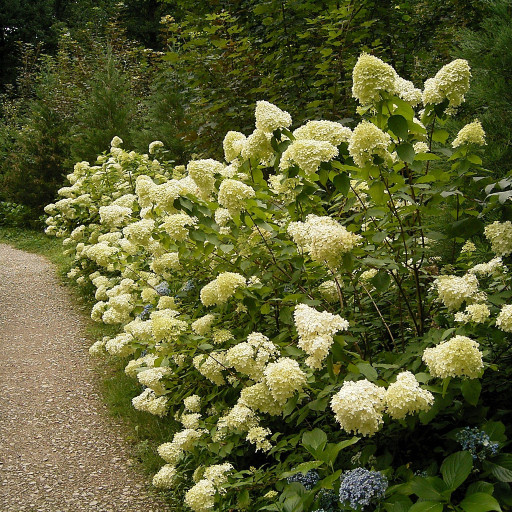
Often called the "PeeGee Hydrangea," Hydrangea paniculata is the rugged, cone-shaped cousin of the classic blue garden hydrangea. Originating from the forests and slopes of Japan and China, this species is beloved for its ability to thrive where others wilt—braving full sun and harsh winters with ease. Its massive flower clusters transition beautifully from creamy white to dusty rose as summer fades into autumn, providing a long-lasting spectacle in the landscape.
🔍 How to Identify
- 🌸 Flower Structure: Instead of the typical round "mophead" shape, these produce large, cone-shaped clusters (panicles) that can grow up to 10 inches long.
- 🍃 Foliage: The leaves are dark green, oval-shaped, and taper to a sharp point, often featuring a slightly serrated edge and a rough texture.
- 🪵 Growth Habit: This is the most "tree-like" hydrangea, featuring sturdy, woody stems that are strong enough to support the heavy blooms without drooping toward the ground.
🏡 In Your Garden
- ☀️ Sun Tolerance: Unlike many of its relatives that scorched in the afternoon heat, the Panicle Hydrangea craves sunlight; more sun generally results in stronger stems and more prolific flowering.
- ✂️ Pruning Nuance: These plants bloom on "new wood" (the current season's growth), meaning you can prune them heavily in late winter or early spring without the fear of accidentally cutting off the upcoming summer flowers.
⚠️ Safety & Toxicity
- 🐾 Pet Warning: Contains cyanogenic glycosides, which are toxic to dogs, cats, and horses if ingested in large quantities, leading to nausea or lethargy.
- 👶 Human Caution: While beautiful, the leaves and buds can cause stomach upset or skin irritation in curious children; it is best treated as a "look but don't touch" ornamental.
✨ Fun Fact
Unlike the famous Hydrangea macrophylla, which changes color based on soil acidity (pH), the Panicle Hydrangea's color shift from white to pink is entirely natural and triggered by the aging of the flower and the cooling temperatures of late summer!

Detailed Care Instructions
Zinfin Doll hydrangea is similar to the Pinky Winky hydrangea, but its flower heads are fuller and larger and it blooms earlier. Both Pinky Winky and Zinfin Doll panicle hydrangeas have a number of landscape uses.
Can Zinfin Doll hydrangea grow indoors?
This makes a good container plant. Indoors, make sure hydrangeas have indirect light, plenty of water, and a slow-release fertilizer in the spring. Prune it just as you would a hydrangea in the garden.
What plants are similar to Zinfin Doll hydrangea?
There are many plants that mimic the luscious blooms of the hydrangea. A few of these include Snowball Bush, Butterfly Bush, and Peony. Established Lilac plants can also host a profusion of blooms that look similar to hydrangeas.
| Color | White, Pink |
| Soil Ph | Slightly Acidic Soil Is Best |
| Humidity | Normal |
| Lighting | Full Sun |
| Toxicity | Poisonous |
| Soil Type | Organically Rich, Medium-Moisture, Well-Drained Soils |
| Bloom Time | July To September |
| Difficulty | Medium |
| Plant Type | Deciduous Shrub Or Small Tree |
| Hibernation | Cold Period |
| Mature Size | 8 To 15 Feet Tall; 8 Feet Across |
| Native Area | Eastern And Southern China, Japan, Sakhalin |
| Temperature | 10°C - 30°C |
| Sun Exposure | Full Sun To Part Shade |
| Hardiness Zones | 3 To 8 |
To grow a Hydrangea paniculata plant, follow these steps:
- Choose a suitable location: Hydrangea paniculata plants prefer full sun to partial shade. Select a location with well-draining soil that is rich in organic matter.
- Prepare the soil: Before planting, prepare the soil by loosening it with a garden fork or tiller. Add compost or well-rotted manure to improve soil fertility and drainage.
- Planting: Dig a hole that is two times wider and the same depth as the plant's root ball. Carefully remove the plant from its container and gently loosen the root ball. Place it in the hole and backfill with soil, firming it gently around the roots. Water thoroughly after planting.
- Watering: Keep the soil consistently moist, especially during the plant's first year of growth. Hydrangeas require regular watering, especially during dry periods. Avoid over-watering, as it can lead to root rot.
- Mulching: Apply a layer of organic mulch around the base of the plant to conserve moisture, suppress weed growth, and regulate soil temperature.
- Pruning: Prune Hydrangea paniculata plants in late winter or early spring. Remove any dead or damaged branches and consider thinning out overcrowded growth to promote better air circulation.
- Fertilization: Apply a balanced slow-release fertilizer in spring before new growth begins. Follow the package instructions for dosage. Avoid excessive fertilization, as it can lead to weaker stems and flopping blooms.
- Pests and diseases: Monitor the plant for any signs of pests, such as aphids or spider mites, and treat them with appropriate insecticides if necessary. Hydrangeas are generally relatively disease-resistant but can be susceptible to powdery mildew in humid conditions. Provide adequate air circulation and avoid overhead watering to prevent disease development.
- Winter protection: In colder climates, provide winter protection by applying a layer of mulch around the base of the plant and covering it with burlap or a frost blanket to protect against freezing temperatures.
By following these steps, you can successfully grow a Hydrangea paniculata plant and enjoy its beautiful blooms.

Place in a bright room that is sun drenched almost all day. Or directly in a south-facing window.
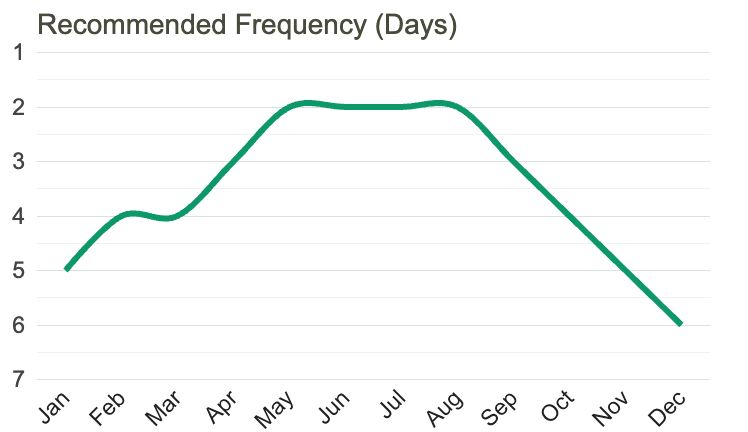
When providing water for this particular plant, it is important to ensure that the soil is moist but not saturated. This can be achieved by watering deeply and allowing the water to soak into the soil before watering again. It is important to avoid watering the leaves and flowers to prevent the formation of mold or mildew. Additionally, this plant prefers well-draining soil, so it is advisable to avoid overwatering or allowing water to sit in the soil for extended periods. Watering frequency may depend on weather conditions and the season, as well as the specific soil and drainage conditions in your growing area.
The plant should be fertilized in the early spring, before the buds begin to grow. Use a balanced fertilizer with equal percentage of nitrogen, phosphorous and potassium. Apply the fertilizer evenly around the base of the plant, following the guidelines on the packaging. Water the plant well after fertilizing to help the nutrients penetrate the soil. Repeat the fertilization process once every four weeks during the growing season. Avoid over-fertilizing as it can burn the plant's roots and leaves.
The ideal soil for Hydrangea Paniculata plants is slightly acidic, with a pH range between 5.2 and 6.5. It should be well-draining and have good water retention properties, as well as being rich in organic matter. Soil texture should be loamy or sandy loam, as these types of soil allow for good air circulation around the roots. Additionally, the soil should be free from any contaminants or pollutants. It is important to avoid using heavy clay soils or soils that are waterlogged, as this can lead to root rot and poor plant growth. Soil that is too alkaline may result in yellowing of the leaves and reduced bloom size. Adding compost or other organic matter to the soil can help with water retention, nutrient availability, and overall soil quality.
Hydrangea Paniculata can be propagated by taking cuttings of a semi-hardwood stem in late summer or early autumn. Select a stem that is around 8 inches long and has multiple sets of leaves. Remove the lower set of leaves, leaving only the top few sets. Dip the cut end of the stem in rooting hormone and plant it in a pot filled with well-draining soil. Keep the soil moist and place the pot in a bright, but not direct, light. After several weeks, roots should form, and the plant can be transplanted into a larger pot or the ground.
Common pests of the panicle hydrangea include Spider mites, fungus gnats, aphids. Make a habit of checking your panicle hydrangea frequently for pests so that any infestations can be caught and managed early.








