Plant Overview
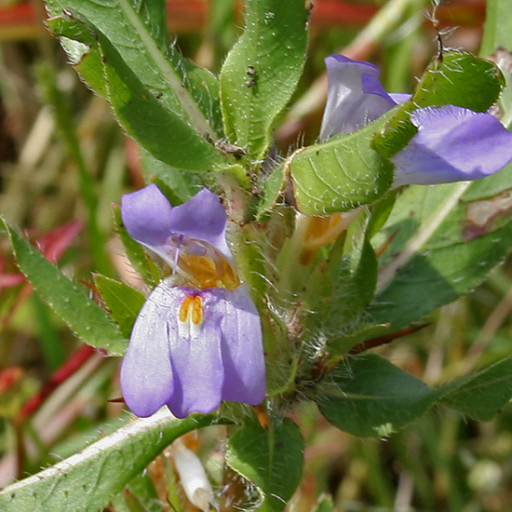
Known as the "Marsh Barbel" or the poetic "Kokilaksha" (meaning 'eye of the cuckoo bird'), this spiny wetland warrior is a staple of traditional Ayurvedic medicine. Native to the damp, tropical landscapes of Asia and Africa, it is often found standing tall in marshy ditches and rice paddies, waving its vibrant purple blooms to passing pollinators. It is a hardy survivor that bridges the gap between a wild wildflower and a functional medicinal herb.
🔍 How to Identify
- 🌸 The Blooms: Distinctive clusters of bright purple to violet, two-lipped flowers that emerge directly from the leaf axils.
- ⚔️ The Spines: Long, sharp, yellowish-brown thorns (usually six in a whorl) that guard the stem joints, making the plant easy to recognize but painful to touch.
- 🍃 The Foliage: Long, lance-shaped leaves that grow in groups of six around the stem, often covered in fine, soft hairs.
🏡 In Your Garden
- 💧 Thirst for Water: This is a true marsh plant; it thrives with "wet feet." It is an excellent choice for the edges of garden ponds or boggy areas where other plants might drown.
- ☀️ Sun Seeker: To see those iconic purple flowers, give it full sun. While it can survive in partial shade, it will become leggy and the stem spines will become its most prominent feature rather than the blossoms.
⚠️ Safety & Toxicity
- 🌵 Physical Hazard: The primary danger of Hygrophila auriculata is its sharp axillary spines. These can easily puncture skin or snag the fur of passing animals.
- 🐾 Pet Safety: While the plant is not known to be chemically toxic to cats or dogs, the spines make it a "look but don't touch" addition to the landscape. It is best planted away from footpaths or pet play areas.
✨ Fun Fact
- 🔱 The Lion’s Seed: In historical texts, the seeds of this plant were known as Talamkhana and were prized as a powerful tonic. Ancient practitioners believed the seeds provided the strength of a lion, leading to its use in traditional rituals meant to boost vitality and endurance.

Detailed Care Instructions
Here are some steps to help you grow Hygrophila Auriculata:
- Choose a suitable location: Hygrophila Auriculata thrives in areas with moderate to high light intensity. Place the plant in a well-lit area, such as near a window with indirect sunlight.
- Prepare the substrate: Hygrophila Auriculata prefers a nutrient-rich substrate. Use a good quality aquatic soil or substrate specifically made for aquarium plants. This will provide the necessary nutrients for healthy growth.
- Plant the Hygrophila Auriculata: Gently remove the plant from its pot and rinse off any excess soil. Carefully plant the root system into the substrate, ensuring it is well-anchored. Be careful not to bury the stem too deeply, as this may cause rotting.
- Provide adequate lighting: Hygrophila Auriculata requires bright lighting to flourish. If natural light is insufficient, use a fluorescent or LED aquarium light with a color temperature of around 6500K. Aim for at least 8-10 hours of light per day.
- Maintain optimal water conditions: Hygrophila Auriculata prefers slightly acidic to neutral water with a pH range of 6.5-7.5. The water temperature should be kept between 72-82°F (22-28°C). It is also essential to maintain good water circulation to prevent the formation of stagnant areas.
- Fertilize regularly: Hygrophila Auriculata is a heavy feeder and benefits from regular fertilization. Add a liquid aquarium fertilizer rich in macro and micronutrients according to the manufacturer's instructions. Additionally, you can use root tabs or nutrient-rich substrate to provide additional nutrients to the plant's root system.
- Trim and prune the plant: As Hygrophila Auriculata grows, it may need occasional trimming to maintain its desired shape and prevent overcrowding. Use clean aquarium scissors to carefully trim any excessive growth or damaged leaves.
- Regular water changes: To maintain a healthy environment, perform regular water changes of about 20-30% every week. This will help remove any accumulated toxins and replenish the necessary minerals.
By following these steps, you can provide the optimal conditions for Hygrophila Auriculata to grow and thrive in your aquarium or aquatic setup.
To water this plant, you should first ensure that the soil is completely dry before adding water. Once you confirm that the soil is dry, you can add water slowly and steadily, being careful not to flood the soil or add too much water at once. Use room temperature water and pour it onto the soil around the base of the plant, making sure to cover the entire root ball. Avoid watering the leaves or stems, as this can lead to rot or fungus growth. Allow the excess water to drain out of the bottom of the pot and dispose of it properly. Water the plant once a week, or as needed, depending on the temperature and humidity levels in your home.
To fertilize this plant, use a balanced liquid fertilizer once a week during the growing season. Dilute the fertilizer according to instructions on the label and apply it directly to the water in the aquarium. It is important not to over-fertilize this plant, as it can lead to algae growth and other problems in the aquarium. Additionally, be sure to regularly monitor the nitrate and phosphate levels in the water and adjust fertilization accordingly.
Hygrophila Auriculata plants require a well-draining soil that is rich in nutrients. It is recommended to use a loamy soil that consists of a mixture of sand, clay, and organic matter. This type of soil is ideal for promoting healthy root growth and water drainage, which is essential for the Hygrophila Auriculata plant to thrive.
It is also important to ensure that the soil pH is between 6.5 and 7.5, which is slightly acidic to neutral. This range of soil acidity promotes optimal nutrient uptake for the Hygrophila Auriculata plant.
When planting the Hygrophila Auriculata plant, ensure that the soil is moist but not waterlogged. Overwatering can lead to root rot, which can be fatal for the plant. It is recommended to water the plant once a week or when the topsoil feels dry to the touch.
In addition to soil, Hygrophila Auriculata plants require regular fertilization to ensure strong growth and healthy blooming. It is recommended to use a balanced fertilizer that is rich in essential nutrients such as nitrogen, phosphorus, and potassium.
Hygrophila Auriculata plant can be propagated using different techniques such as stem cutting, division, and seed propagation. Here’s how to propagate Hygrophila Auriculata plant using each technique:
- Stem Cutting:
To propagate Hygrophila Auriculata plant through stem cutting, follow these steps:
- Prepare a clean and sharp pair of scissors or gardening shears.
- Cut a stem from the mother plant that measures around 6 inches long. Ensure there are at least two to three nodes on the stem.
- Remove the leaves from the lower half of the stem.
- Dip the cut end of the stem in rooting hormone powder.
- Fill a small pot or container with well-draining soil.
- Make a small hole in the soil with a pencil.
- Insert the stem cutting into the hole and gently press the soil around it.
- Water the newly planted stem cutting and keep it in a shaded area.
- Monitor the soil moisture and water the plant when the topsoil feels dry.
- In a few weeks, the stem cutting will develop roots and start growing new leaves. At this point, the plant can be moved to a larger container or planted in the garden.
- Division:
To propagate Hygrophila Auriculata plant through division, follow these steps:
- Gently remove the entire plant from the pot or garden bed.
- Untangle the roots and try to separate them into individual plants.
- Use a clean and sharp knife to cut the root ball into pieces, ensuring each piece has at least one stem and a healthy root system.
- Plant each division in a pot or garden bed with well-draining soil.
- Water the newly planted divisions and keep them in a shaded area.
- Monitor the soil moisture and water the plants when the topsoil feels dry.
- Within a few weeks, the divided plants will start growing new leaves and establish in their new location.
- Seed Propagation:
To propagate Hygrophila Auriculata plant through seed propagation, follow these steps:
- Collect seeds from the mature plant when the seed pods turn brown and start to split open.
- Soak the seeds in water for around 12 hours to soften the hard outer coating.
- Fill a small pot or container with well-draining soil.
- Scatter the seeds on the soil surface and gently press them down.
- Cover the pot with a plastic bag or cling wrap to create a humid environment for the seeds to germinate.
- Place the pot in a warm and bright location, like a windowsill or under grow lights.
- Keep the soil moist by misting it regularly.
- In a few weeks, the seeds will germinate and start growing into seedlings.
- Once the seedlings develop a few sets of true leaves, they can be transplanted into separate pots or garden beds.
Following these propagation techniques will help you propagate Hygrophila Auriculata plant successfully.








