Plant Overview
Commonly known as the Yellow Dragon Fruit or Yellow Pitahaya, this climbing cactus is often considered the "Champagne of Dragon Fruits" due to its superior sweetness. Unlike its pink-skinned cousins, this Andean native produces smaller, vibrant yellow fruits that pack a significantly higher sugar content. It is a slow-growing epiphyte that transforms from a spiny, humble vine into a spectacular night-bloomer.
🔍 How to Identify
- 🌵 Stem Structure: Features long, fleshy, triangular green stems with wavy, scalloped margins. It uses aerial roots to "climb" trees or garden trellises.
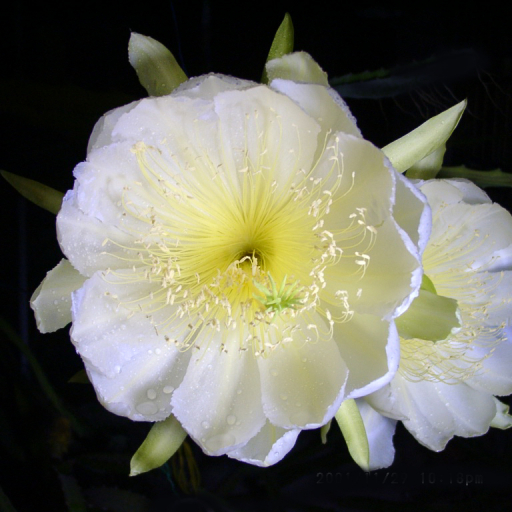
- 🌸 Nocturnal Blooms: Produces massive, fragrant white flowers that open only at night. These are among the largest flowers in the cactus family, often reaching 12–15 inches in diameter.
- 🍋 The Fruit: Smaller than red dragon fruit, with a bright yellow, knobby skin. When young, the fruit is covered in small clusters of spines that naturally shed as it ripens.
🏡 In Your Garden
- 🏗️ Support Systems: Because it is a climbing cactus, it requires a sturdy trellis or a "dragon fruit post." Without a structure to lean on, the plant will crawl along the ground, which significantly reduces its chances of flowering.
- ☀️ Sun & Drainage: This variety thrives in bright, indirect light. While it loves heat, the yellow pitahaya is slightly more sensitive to intense, direct midday sun than red varieties. It requires extremely well-draining, sandy soil, as "wet feet" will quickly lead to root rot.
⚠️ Safety & Toxicity
- ✅ Status: Generally safe and non-toxic.
- 🌵 Physical Hazard: Handle the fruit and stems with care. Before the fruit is fully ripe and cleaned for market, it is covered in tiny, needle-like spines. Use gloves when pruning or harvesting.
- 🐾 Pet Safety: The Hylocereus genus is generally considered non-toxic to cats and dogs, though the spines on the plant body can cause mechanical injury if a pet tries to chew on it.
✨ Fun Fact
🌙 The Yellow Dragon Fruit is a true "Moonflower." Because its blossoms only open for a single night, it relies entirely on nocturnal visitors like hawk moths and bats for pollination, making its reproduction a secret midnight event!

Detailed Care Instructions
To grow a Hylocereus Megalanthus plant, also known as yellow dragonfruit, you can follow these steps:
- Climate suitability: Yellow dragonfruit plants prefer warm climate conditions. They thrive in USDA hardiness zones 9-11, where the minimum temperature remains above 40°F (4°C) in winter.
- Select a location: Choose a well-draining area with full sun to partial shade for planting. The plant can be grown in pots or directly in the ground.
- Propagation: The most common method of propagation is by planting stem cuttings. Select healthy, mature stems of your desired length (around 12-18 inches) from a mature plant. Allow the cuttings to dry for 1-2 weeks before planting.
- Soil preparation: Prepare a well-draining soil mix consisting of equal parts potting soil, sand, and organic compost. If growing in the ground, amend the soil with organic matter to improve its fertility and drainage.
- Planting: Plant the stem cuttings in the prepared soil mix by inserting them about 1-2 inches deep. Ensure the soil is firmly pressed around the cutting to provide stability.
- Watering: It is important to provide regular watering to establish the plant. Water the plant thoroughly after planting and keep the soil evenly moist but not waterlogged. Once established, the plant requires less frequent watering, but deep watering is recommended rather than shallow, frequent watering.
- Fertilization: Apply a balanced, slow-release fertilizer once a month during the growing season (spring and summer). Follow the manufacturer's instructions for application rates. Yellow dragonfruit plants are not heavy feeders, so avoid overfertilizing.
- Support: As the plant grows, provide support such as a trellis or stakes to help the climbing stems attach and grow vertically.
- Pruning: Prune the plant regularly to control its growth and shape. Remove any dead or damaged branches, as well as excessive foliage to improve air circulation and light penetration.
- Harvesting: Yellow dragonfruits are ready to harvest when their skin turns completely yellow and slightly soft. Pick them carefully to avoid damaging the stem or the fruit.
With proper care and attention to watering, fertilizing, and pruning, your Hylocereus Megalanthus plant should grow and produce delicious yellow dragonfruits.

Place in a window with dappled sun or a spot in the middle of a room. Or directly in a window facing west or east.

To effectively water this plant, it is important to consider its specific watering needs. Begin by checking the soil moisture level using a moisture meter or by sticking your finger about an inch deep into the soil. If the soil feels dry, it is time to water the plant.
To water, use room temperature tap water or collected rainwater and pour it slowly and evenly around the base of the plant until the soil is thoroughly moistened. It is important not to overwater or let the soil become waterlogged, as this can cause root rot and other problems.
To help maintain appropriate soil moisture levels, consider using a well-draining planting mix and allowing the top inch of soil to dry out before watering again. Additionally, avoid watering the plant during periods of high humidity or when it is experiencing water stress, such as during unusually hot or cold weather.
- Start by selecting a high-quality fertilizer that is specifically designed for cacti and succulent plants.
- Dilute the fertilizer according to the instructions on the packaging.
- Apply the fertilizer to the soil around the base of the plant, taking care not to let it come into contact with the stem or foliage.
- Water the plant thoroughly after fertilizing, making sure that the water reaches the deepest roots.
- Repeat the fertilizing process every 2-3 months during the growing season, which usually lasts from spring to early fall.
- If you notice any signs of over-fertilizing, such as burnt or wilted leaves, reduce the frequency or strength of the fertilizing.
- Always follow the manufacturer's instructions when using fertilizer, and avoid over-fertilizing as this can cause damage to the plant.
The recommended soil for this particular plant is a well-draining mixture that is high in organic matter. A sandy loam soil with a pH range of 6.0-7.0 is ideal. It is important to avoid heavy clay soils as this can lead to waterlogged roots and root rot. The soil should be kept consistently moist, but not overly watered to prevent waterlogging. Adding compost or worm castings to the soil will help provide nutrients for the plant.
Hylocereus Megalanthus is a type of cactus plant that can be propagated by stem cuttings or by seeds. To propagate the plant through stem cuttings, you will need to select a healthy stem with several leaves and cut it just below a leaf node. The cutting should be allowed to dry for a few days in a shady location before being planted into a well-draining potting soil.
To propagate through seeds, you will need to collect the seeds from the fruit of a mature plant. The seeds should be allowed to dry out for a few days before being planted in a well-draining potting soil. It is recommended to keep the soil moist, but not overly wet, and to place the pot in a shady location until the seedlings emerge.
Both methods of propagation require careful attention to watering and light levels to ensure the success of the new plant. It is also important to monitor the plant for any signs of disease or insect infestation during the propagation process.
Common pests of the yellow pitaya include Scale insect, mealybugs, spider mites, thrips. Make a habit of checking your yellow pitaya frequently for pests so that any infestations can be caught and managed early.








