Plant Overview
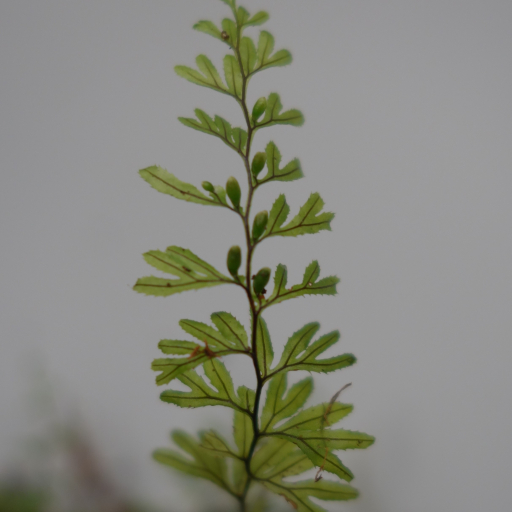
The Alpine Filmy-fern is a delicate, translucent wanderer often found clinging to damp rocks and mossy tree trunks. Looking more like a piece of fine emerald lace or seaweed than a traditional land plant, its fronds are famously thin—only a single cell thick in most places. In the wild, it creates lush, shimmering mats in high-humidity areas, earning its place as a favorite among terrarium enthusiasts and moss-garden lovers.
🔍 How to Identify
- 🌿 Translucent Fronds: The leaves are so thin that they appear see-through when held up to the light, giving the plant a ghostly, delicate glow.
- 📐 One-Sided Branching: Unlike many other ferns, the tiny leaflets (segments) typically grow only on the upper side of the branch, creating a distinctive "comb-like" appearance.
- 🧵 Wire-like Rhizomes: It spreads via very dark, thin, thread-like stems that creep across surfaces, anchoring the plant firmly to its substrate.
🏡 In Your Garden & Habitat
- ☁️ Humidity is King: Because its leaves are only one cell thick, it lacks the protective "skin" (cuticle) most plants have. It cannot survive in dry air and requires near-constant 80-90% humidity to thrive.
- 🪨 Substrate Preference: In a garden setting, it hates being buried in traditional potting soil. It performs best when allowed to "crawl" over damp sandstone, lava rock, or moisture-retentive bark.
- 💧 Watering Nuance: It doesn't just drink from its roots; it absorbs moisture directly through its leaves. If you are keeping it in a terrarium, soft misting with rainwater or distilled water is essential to prevent mineral buildup on its fragile tissue.
⚠️ Safety & Toxicity
- ✅ Safe Status: Hymenophyllum peltatum is generally considered non-toxic to humans and common household pets.
- 🧤 Fragility Warning: While not "poisonous," the plant is physically fragile. Excessive handling or touching the fronds can damage the single-cell structure and lead to browning or "melting" of the foliage.
✨ Fun Fact
Because its leaves are so impossibly thin, the Alpine Filmy-fern doesn't have the specialized "breathing pores" (stomata) that most plants use. Instead, it breathes and absorbs water directly through its leaf surface, much like a sponge or a piece of moss!

Detailed Care Instructions
Hymenophyllum peltatum, commonly known as the "sensitive fern," is a unique and delicate species of fern that is native to tropical and subtropical regions. Growing this plant can be a rewarding experience, but it requires specific conditions. Here are some tips to help you successfully cultivate Hymenophyllum peltatum:
1. Environment:
- Light: Hymenophyllum peltatum prefers bright, indirect light. Avoid direct sunlight, as it can scorch the delicate leaves. A location near a window with filtered light or under fluorescent lights is ideal.
- Humidity: This fern thrives in high humidity levels (60-80%). Consider placing the plant in a humid room (such as a bathroom) or using a humidity tray filled with water and pebbles. Regular misting can also help maintain humidity.
2. Temperature:
- Aim for temperatures between 18-24°C (65-75°F). Avoid exposing the plant to temperatures below 10°C (50°F), as it may not tolerate cold well.
3. Soil:
- Use a well-draining potting mix that retains moisture but does not become waterlogged. A mixture of potting soil, peat moss, and perlite or orchid bark works well. The soil should be rich in organic matter.
4. Watering:
- Keep the soil consistently moist but not waterlogged. Water the plant regularly, ensuring that the top layer of soil feels moist. Use distilled or rainwater if possible, as tap water can contain chemicals that may harm the plant.
5. Fertilization:
- During the growing season (spring and summer), you can feed the plant with a diluted, balanced liquid fertilizer every 4-6 weeks. Reduce fertilization during the fall and winter months.
6. Repotting:
- Repot the fern every couple of years or when it becomes root-bound. Choose a pot that is only slightly larger than the current one, and refresh the soil at the same time.
7. Pests and Problems:
- Keep an eye out for pests such as aphids, spider mites, and mealybugs. If you notice an infestation, treat the plant with insecticidal soap or neem oil.
- Ensure proper air circulation around the plant to prevent mold and mildew, which can thrive in high-humidity conditions.
8. Propagation:
- Hymenophyllum peltatum can be propagated through spores or by division. If dividing, do so carefully to ensure that both sections have adequate roots.
Final Note:
Because Hymenophyllum peltatum has specific care requirements, it's essential to monitor the plant regularly and adjust conditions as necessary. By providing the right environment, you can enjoy the beauty of this unique fern in your collection.

Place in a dark room with little light, like a dark bedroom or a spot far away from a window or directly in a north-facing window.
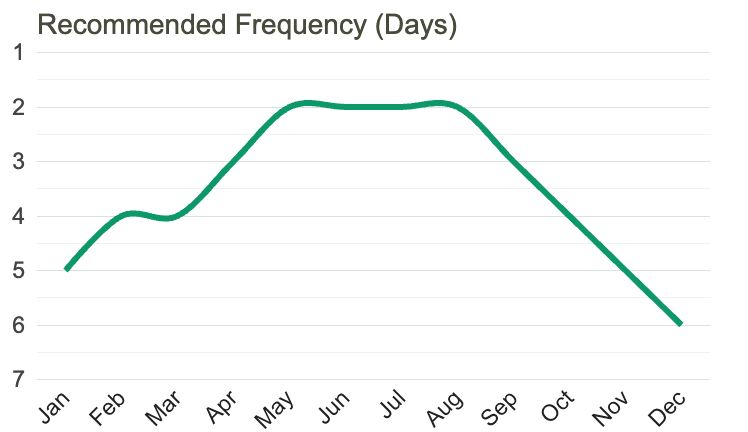
Hymenophyllum peltatum is a delicate, fern-like plant that thrives in moist, shaded environments. To water this species effectively, consider the following guidelines:
1. Soil Type: Ensure the plant is in well-draining soil that retains moisture without becoming waterlogged. A mix containing peat, perlite, and a bit of bark can provide a suitable substrate.
2. Watering Frequency: Water the plant regularly to keep the soil consistently moist, but not soggy. The frequency of watering will depend on the environmental conditions, such as humidity, temperature, and the size of the pot. Typically, it may need watering every few days in warmer conditions, but less frequently in cooler or more humid environments.
3. Water Quality: Use distilled water, rainwater, or tap water that has stood for a few hours to allow chlorine to dissipate. This helps prevent any harmful chemicals from affecting the plant.
4. Watering Technique: Water gently at the base of the plant to avoid splashing water on the fronds, which can promote fungal diseases. Ensure the water penetrates the soil without saturating the center of the plant.
5. Humidity Consideration: Since this plant thrives in high humidity, consider misting the fronds regularly or placing a humidifier nearby. Alternatively, placing the pot on a tray filled with pebbles and water can help maintain humidity around the plant.
6. Monitoring Soil Moisture: Check the soil moisture before watering. If the top inch of the soil feels dry, it’s time to water. If it is still damp, wait a little longer to avoid overwatering.
7. Temperature and Light Exposure: Keep the plant in a location with indirect light, as direct sunlight can dry out the soil too quickly. Maintaining a stable temperature will also assist in proper moisture retention.
By following these watering guidelines, you can promote healthy growth and maintain the vitality of Hymenophyllum peltatum.
Hymenophyllum peltatum benefits from a balanced fertilization approach, given its natural habitat in moist, shaded environments. Here are the fertilizing instructions for this specific plant:
- Fertilizer Type: Use a diluted, balanced liquid fertilizer with an N-P-K ratio of around 20-20-20 or similar. Alternatively, an organic option, such as fish emulsion or seaweed extract, can be beneficial.
- Dilution: If using a chemical fertilizer, dilute it to half the recommended strength to avoid over-fertilization, as this plant is sensitive to nutrient buildup.
- Frequency: Fertilize during the growing season (spring and summer) once every 4-6 weeks. Avoid fertilizing in the fall and winter when the plant's growth slows down.
- Application Method: Apply the diluted fertilizer to the soil around the base of the plant rather than directly on the foliage. Ensure that the soil is moistened beforehand to reduce the chance of root burn.
- Soil and pH: Maintain the soil slightly acidic to neutral (pH 5.5-7.0) for optimal nutrient uptake. Monitor the soil's condition regularly and amend it as needed.
- Observation: After fertilizing, observe the plant for signs of nutrient deficiency or excess, such as yellowing leaves or stunted growth, and adjust your fertilization schedule accordingly.
By following these guidelines, you can support the healthy growth of Hymenophyllum peltatum while mimicking its natural growing conditions.
Hymenophyllum peltatum thrives best in a well-draining soil mixture that possesses high organic content. A suitable growing medium can be created by combining equal parts of sphagnum moss, perlite, and a fine-grade bark mix. This combination ensures adequate aeration and moisture retention, both of which are crucial for this epiphytic plant.
The pH level of the soil should ideally range between 5.5 and 6.5, as the plant prefers slightly acidic conditions. Maintaining consistent moisture is important, so incorporating materials that help with water retention, such as coconut coir or leaf mold, can also be beneficial.
When growing this plant in a pot or container, ensure that it has sufficient drainage holes to prevent waterlogging, which can lead to root rot. Regularly monitor the moisture levels in the soil, keeping it evenly moist but not saturated, to support healthy growth. Additionally, using a diluted liquid fertilizer during the growing season can help provide essential nutrients.
Hymenophyllum peltatum is a delicate and attractive fern that can be propagated through several methods, primarily spore propagation and division. Here's a detailed guide on how to propagate this plant using each method:
1. Spore Propagation
Collection of Spores:
- Wait until the fronds produce mature sporangia, which appear as small brown clusters on the underside of the leaves.
- Once the sporangia are mature and begin to release spores, gently tap or shake the fronds to collect the spores onto a clean sheet of paper or into an envelope.
Preparing the Growing Medium:
- Use a sterile mix of peat moss and perlite or a specialized fern mix to ensure good drainage and aeration.
- Moisten the medium thoroughly but ensure it is not overly saturated.
Sowing Spores:
- Spread the collected spores evenly over the surface of the prepared growing medium.
- Do not cover the spores with soil, as they require light for germination.
Conditions for Germination:
- Place the container in a warm, humid environment with indirect light.
- A humidity dome or clear plastic lid can help retain moisture. Ensure there is some air circulation to prevent mold.
Germination Time:
- Germination can take several weeks to a few months, depending on conditions. Keep the medium consistently moist.
Transplanting:
- Once the spores have germinated and small gametophytes have developed, carefully transplant them into individual pots containing a suitable growing medium. Handle them gently to avoid damage.
2. Division Propagation
Timing:
- The best time to divide is during the spring or early summer when the plant is actively growing.
Preparing for Division:
- Gently remove the plant from its pot or the ground and carefully shake off the excess soil to expose the root system.
- Identify healthy clumps in the plant that have several fronds and roots.
Division Process:
- Using a clean, sharp knife or scissors, divide the clumps into smaller sections, ensuring that each division has enough roots and fronds to thrive.
- Aim for divisions that are at least a few inches across.
Potting Divisions:
- Prepare individual pots with a suitable growing medium (peat-based mix with good drainage).
- Plant each division at the same depth it was growing previously, ensuring the roots are buried and the fronds remain above the soil level.
Care After Division:
- Water the divisions thoroughly to help settle the soil around the roots.
- Place the newly potted divisions in a shaded area with high humidity until they establish roots. This can be done by covering them with a plastic bag or humidity dome.
Long-term Care:
- Once established, gradually acclimate the divisions to brighter light and regular care.
- Maintain consistent moisture without waterlogging the soil.
Additional Tips:
- Ensure that any tools used in propagation are clean to prevent disease transmission.
- Consider using a fungicide if there are issues with mold during spore germination.
- Regularly check humidity levels, as both methods require a moist environment for successful growth.
By following these guidelines, you can successfully propagate Hymenophyllum peltatum and enjoy its unique beauty in your collection.








