Plant Overview
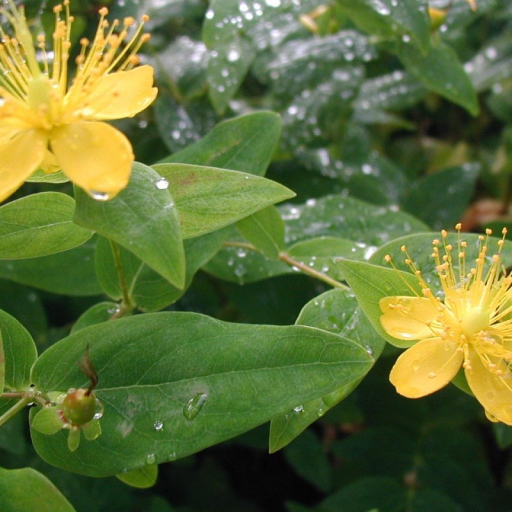
Known as the Stinking Tutsan, Hypericum hircinum is the rebellious cousin of the common St. John's Wort. While it dazzles with golden, "exploding" star flowers, it carries a curious secret: its foliage releases a pungent, musky aroma reminiscent of a goat when bruised or crushed. Native to the rocky banks and humid ravines of the Mediterranean, it’s a hardy shrub that brings a wild, sun-drenched character to any landscape.
🔍 How to Identify
- 🌼 The Flowers: Bright yellow, five-petaled blooms featuring a massive, central "pincushion" of stamens that are significantly longer than the petals themselves.
- 🍃 The Foliage: Medium-green, ovate leaves that grow in opposite pairs. When you rub them, they release a heavy, "hircine" (goat-like) scent.
- 🪵 The Stems: Young stems are often slightly winged or four-angled, turning woody and reddish-brown as the plant matures into a dense, rounded shrub.
🏡 In Your Garden
- 💧 Moisture Seeker: Unlike some of its desert-dwelling relatives, this species thrives near water. In the wild, it hugs riverbanks, so in your garden, it prefers soil that stays consistently moist but never waterlogged.
- ✂️ Pruning Nuance: It is a vigorous grower and can become "leggy" if left to its own devices. It responds beautifully to a hard prune in late winter or early spring, which encourages a flush of fresh, aromatic new growth.
- ☀️ Light Balance: While it loves the sun, in very hot climates, it appreciates some afternoon dappled shade to prevent its delicate petals from scorching.
⚠️ Safety & Toxicity
- 🐾 Mildly Toxic: Like most members of the Hypericum genus, it contains hypericin. If ingested in large quantities, it can cause stomach upset in pets and humans.
- ☀️ Photosensitivity: The primary concern is photosensitivity. Some individuals (and livestock) may develop skin irritation or a rash if they handle the plant and are then exposed to direct sunlight. It is best to wear gloves when pruning.
✨ Fun Fact
The specific epithet hircinum comes from the Latin word hircus, meaning "he-goat." This is a direct reference to the plant's unique "perfume," which led 18th-century botanists to distinguish it from its sweeter-smelling relatives.

Detailed Care Instructions
To grow Hypericum hircinum, also known as St. John's Wort, you can follow these steps:
- Choose a suitable location: Select a spot that receives full sun to partial shade. Ensure the area has well-drained soil.
- Prepare the soil: Loosen the soil in the chosen area using a garden fork or tiller. Remove any weeds or grass and add organic matter such as compost or well-rotted manure to improve soil fertility.
- Select healthy plants: Purchase healthy Hypericum hircinum plants from a reputable nursery or garden center.
- Planting: Dig a hole that is slightly larger than the root ball of the plant. Place the plant in the hole, ensuring that the top of the root ball is level with the soil surface. Backfill the hole with soil, gently firming it around the roots.
- Watering: After planting, give the plant a thorough watering. During the growing season, water regularly, aiming to keep the soil evenly moist, but not waterlogged. Reduce watering during winter or periods of heavy rainfall.
- Mulching: Apply a layer of organic mulch, such as wood chips or straw, around the base of the plant. This will help retain soil moisture, suppress weeds, and protect the plant's roots during extreme temperatures.
- Fertilizing: Hypericum hircinum typically does not require much fertilization. However, if your soil is poor in nutrients, you can apply a balanced slow-release fertilizer in early spring.
- Pruning: After flowering, you can prune the plant to maintain its shape and encourage bushier growth. Prune any dead or damaged stems and trim back about one-third of the plant's height.
- Pests and diseases: These plants are generally resilient and not prone to significant pest or disease issues. However, they can occasionally be affected by aphids, scale insects, or powdery mildew. Monitor your plants regularly and address any issues promptly.
- Propagation: Hypericum hircinum can be propagated by taking stem cuttings in spring and rooting them in a well-draining soil mix. Another option is to collect the seeds when they are ripe and sow them in pots or directly in the garden in autumn.
With proper care and maintenance, Hypericum hircinum can thrive and provide beautiful yellow flowers during the summer and autumn seasons.

Place in a bright room that is sun drenched almost all day. Or directly in a south-facing window.

To water this plant, you should first check the soil moisture level by sticking your finger into the soil. If the top inch feels dry, it's time to water. Use room temperature water and pour it slowly at the base of the plant, avoiding the leaves. Be sure to water thoroughly so that the soil is moist all the way down to the roots. Allow the excess water to drain out of the pot. Avoid letting the plant sit in water for extended periods of time as this can lead to root rot. Watering frequency will depend on the environment - in warmer temperatures, the plant may need to be watered more frequently than in cooler temperatures.
The Hypericum Hircinum plant requires fertilization in the early spring before it starts to show new growth. Use a balanced, slow-release fertilizer with an N-P-K ratio of 10-10-10 or 10-20-10. Apply the fertilizer according to the package instructions, being careful not to over-fertilize as this can damage the plant's roots. Water the plant thoroughly after fertilization to help the nutrients reach the roots. Repeat fertilization every six to eight weeks throughout the growing season to keep the plant healthy and thriving.
Hypericum Hircinum plant prefers well-draining soil that is rich in organic matter. It grows well in soils that have a pH level between 5.5 and 6.5. The ideal soil for this plant is a loamy soil that is a mix of sand, silt, and clay, with a good balance of nutrients that are easily accessible to the roots.
It is important to ensure that the soil is well-draining as this plant is susceptible to root rot if the roots are constantly sitting in wet soil. Adding organic matter to the soil can help improve its water retention ability while also improving its nutrient content.
If the soil in your garden is heavy and clay-like, consider mixing in some sand, perlite, or vermiculite to improve drainage. On the other hand, if the soil is too sandy, you may need to add some compost or manure to increase its nutrient-holding capacity.
Overall, Hypericum Hircinum plant thrives in soil that is fertile, well-draining, and rich in organic matter.
To propagate this plant, you will need to take stem cuttings from a mature, healthy plant. Use a clean pair of pruning shears to cut a stem that is about 4-6 inches long and has several sets of leaves. Remove the bottom set of leaves from the cutting, leaving only 2-3 sets at the top.
Prepare a small pot with well-draining soil and make a hole in the center with your finger. Dip the cut end of the stem into rooting hormone powder and gently tap off any excess. Insert the stem into the hole in the soil and press the soil around it to hold it in place.
Water the cutting thoroughly and cover the pot with a clear plastic bag to create a mini greenhouse. Place the pot in a warm, bright spot but out of direct sunlight. Mist the cutting with water every few days to keep the soil moist and to create a humid environment.
After a few weeks, the cutting should start to produce new growth and roots will start to form. Once roots have fully formed, remove the plastic bag and transplant the new plant into a bigger pot or into the garden. Keep the plant well-watered and out of direct sunlight until it becomes established.








