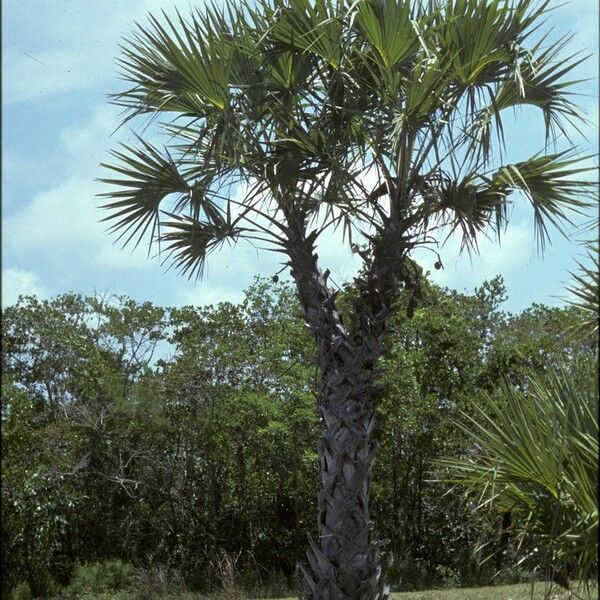
Plant Overview
Known as the East African Doum Palm or the "Gingerbread Palm," Hyphaene compressa is a true survivor of the African savannahs. Unlike most palms that grow as a single straight pole, this species is famous for its rare ability to branch out, creating a unique Y-shaped silhouette against the horizon. For centuries, it has been a "tree of life" for local communities, providing everything from edible fruit to sturdy building materials.
🔍 How to Identify
- 🌿 The Branching Trunk: This is its most distinctive feature. As the tree matures, the trunk divides into two (dichotomous branching), a rarity in the palm world that gives it a candelabra-like appearance.
- 🍃 Stiff Fan Leaves: The leaves are large, costapalmate (fan-shaped), and a dusty grey-green color. They are held on long, sturdy stalks that curve gracefully from the crown.
- 🥥 Gingerbread Fruit: The tree produces clusters of shiny, orange-brown fruit. The fibrous pulp is edible and famously tastes like spicy gingerbread, though it is quite tough to chew!
🏡 In Your Garden
- ☀️ Sun and Space: This palm is a sun-worshipper and needs plenty of room to grow. Because it develops a deep taproot to find water in arid climates, it hates being moved once planted. Choose its permanent "forever home" carefully.
- 💧 Hidden Water Needs: While it looks like a desert plant, it actually thrives where there is a high water table or underground moisture. In a garden setting, it enjoys deep, occasional watering rather than frequent light sprinkles.
- 🏜️ Soil Preferences: It isn't picky about nutrients but requires excellent drainage. Sandy or loamy soils are ideal to prevent "wet feet," which can lead to root rot.
⚠️ Safety & Toxicity
- ✅ Status: Generally non-toxic to humans and pets. The fruit is a traditional food source in many regions.
- ⚔️ Physical Danger: Use caution when pruning or walking near the base. The leaf stalks (petioles) are armed with sharp, upward-curving black spines that can easily snag skin or clothing.
- 🐾 Pet Safety: While the plant isn't chemically poisonous, the tough, fibrous leaves can cause digestive upset if a curious dog tries to chew on them.
✨ Fun Fact
Ancient Egyptians considered the Doum Palm sacred, and baskets filled with its dried fruit were often placed in tombs—including that of King Tutankhamun—to provide the pharaoh with "gingerbread" snacks in the afterlife!

Detailed Care Instructions








