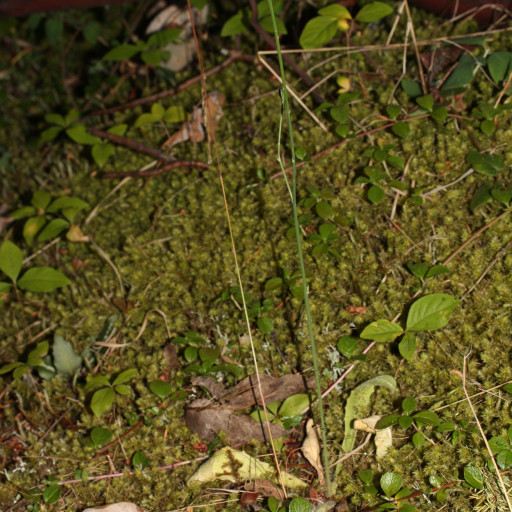
Plant Overview
Often called the "False Dandelion" or "Cat’s Ear," this plant is a master of disguise. While it looks like a typical lawn dandelion at first glance, its fuzzy leaves and wiry, branching stems tell a different story. Originating from Europe, it has traveled the globe, often settling in meadows and suburban lawns where it provides a vital late-season nectar source for bees.
🔍 How to Identify
- 🐱 The Leaves: Look for a basal rosette of leaves covered in fine, stiff hairs. This "furry" texture is what earned it the nickname "Cat's Ear."
- 🎋 The Stems: Unlike the hollow, milky, single stems of a true dandelion, these stems are solid, wiry, and often branch out to hold multiple flower heads.
- 🌼 The Blooms: It features bright yellow, ray-floret flowers that look like golden coins. They typically appear from late spring through autumn, often outlasting the common dandelion.
🏡 In Your Garden
- 🚜 Resilient Rooting: It possesses a deep, thick taproot that allows it to survive extreme droughts and regrow even if the top is mowed or pulled. It loves compacted soil where other plants struggle to breathe.
- 🐝 Pollinator Support: While many gardeners view it as a weed, it is a high-value plant for solitary bees and hoverflies. If you can tolerate a few in your lawn, you are providing a crucial "snack station" for local biodiversity.
⚠️ Safety & Toxicity
- 🐴 Equine Warning: While generally harmless to humans, this plant is linked to "Australian Stringhalt" in horses. If consumed in large quantities, it can cause a neurological condition that results in a strange, jerky walking gait.
- 🥗 Human Consumption: The leaves are edible and can be eaten raw in salads or steamed. However, because of the hairy texture, most foragers prefer to blanch them first or stick to the younger, more tender leaves.
✨ Fun Fact
The genus name Hypochaeris is derived from the Greek words for "under" and "pig." This is because pigs were historically known to be obsessed with digging up the earth to get to the plant's succulent, nutrient-dense roots!

Detailed Care Instructions
| Humidity | Normal |
| Lighting | Part Sun |
| Toxicity | Poisonous |
| Difficulty | Medium |
| Hibernation | Cold Period |
| Hardiness Zones | 4 - 8 |
To grow Hypochaeris radicata, also known as cat's ear, you can follow these steps:
- Climate and soil: Cat's ear plants prefer full sunlight and well-draining soil. They can tolerate a wide range of soil types but prefer slightly acidic to neutral soil.
- Seed collection and sowing: Collect seeds from mature cat's ear plants or purchase them from a reputable source. Sow the seeds directly into the soil in early spring or fall. Prepare the soil by removing any weeds or rocks and lightly rake the surface to create a fine tilth. Scatter the seeds evenly over the prepared area and gently press them into the soil. Do not cover the seeds with soil, as they require light to germinate.
- Watering and maintenance: Keep the newly sown seeds consistently moist until they germinate, which usually takes about 1-2 weeks. Once the seedlings have emerged, water them regularly but avoid overwatering, as cat's ear plants can tolerate short periods of drought. Watering about once a week is usually sufficient, depending on the climate and soil conditions. Mulching around the plants can help retain moisture and suppress weed growth.
- Thinning and spacing: As the seedlings grow, thin them out to provide enough space for each plant to develop properly. Leave about 8-10 inches (20-25 cm) between each plant to allow for proper airflow and prevent overcrowding.
- Fertilizing: Cat's ear plants are relatively low-maintenance and typically do not require much fertilization. However, a light application of balanced fertilizer in early spring can help promote healthy growth. Follow the package instructions for proper dosage and application method.
- Controlling pests and diseases: In general, cat's ear plants are relatively pest- and disease-resistant. However, occasional pests like aphids or slugs may appear. Monitor your plants regularly and, if necessary, use organic pest control methods or seek professional advice if the infestation is severe.
- Pruning and deadheading: Cat's ear plants benefit from regular deadheading, which involves removing the spent flowers to encourage continuous blooming. Pruning any damaged or withered leaves or stems can help maintain the plant's appearance and overall health.
- Harvesting and propagation: Cat's ear produces fluffy seed heads that can be harvested when they turn brown. Collect the seed heads by gently shaking or breaking them into a container. With proper storage, these seeds can be used for future propagation.
Remember to check your local regulations to ensure that Hypochaeris radicata is not considered invasive in your area before growing it.

Place in a bright room that is sun drenched almost all day. Or directly in a south-facing window.

To water this plant, make sure to thoroughly wet the soil around it. Avoid getting any water on the leaves, as this can lead to leaf spot or other fungal diseases. Watering frequency will vary depending on how quickly the soil dries out, so check the soil regularly and adjust watering as needed. Make sure the plant is not sitting in standing water, as this can lead to root rot. Consider using rainwater or filtered water, as this plant can be sensitive to mineral buildup from tap water.
To fertilize this plant, you should provide it with balanced fertilizer containing nitrogen, phosphorus, and potassium. Apply the fertilizer in early spring and again in midsummer, following the package instructions for the appropriate amount to use. Avoid over-fertilizing as it can damage the plant. Water the plant well after fertilizing to ensure the nutrients are absorbed properly.
The ideal soil for Hypochaeris Radicata plant is characterized by moderate moisture, good drainage and fertility, and a neutral to slightly acidic pH range. The soil should contain a blend of organic matter such as compost or well-rotted manure, as well as mineral components like sand, loam, and clay. This combination of elements provides the plant with the necessary nutrients, moisture retention, and oxygenation required for optimal root growth and overall health. Additionally, the soil should not be compacted or too heavy, as this can impede drainage and cause root rot. Instead, it should be loose and friable, allowing for easy penetration and expansion of the plant's root system. Overall, choosing the right soil for Hypochaeris Radicata plant is essential for promoting healthy growth and maximizing yields.
To propagate this plant, first identify a mature healthy plant with healthy roots. Carefully dig around the plant and gently lift it out of the ground. Separate the plant into smaller sections, making sure that each section has a healthy root system. Plant each section in a well-draining soil mixture and water thoroughly. Keep the soil moist but not waterlogged, and place the plants in a shaded area until they start to establish themselves. Gradually expose them to more sunlight and continue to water regularly. Once the plants have fully rooted and grown, they can be transplanted to their permanent location.








