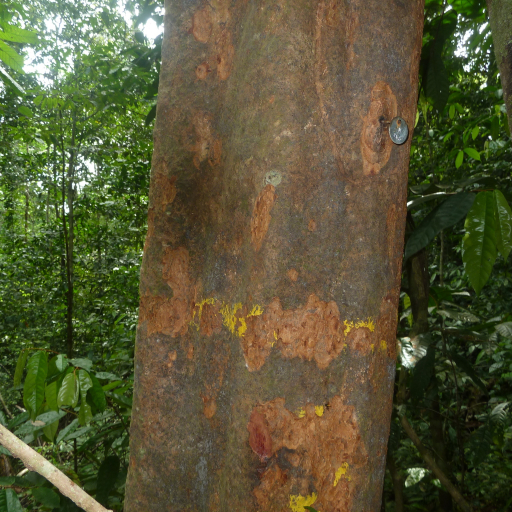
Plant Overview
Often called the White Ice-cream Bean or Mapoula, this majestic tree is a cornerstone of the Amazonian rainforest. It is beloved not just for its towering presence and lush canopy, but for the sweet, fluffy treat hidden inside its pods that tastes remarkably like vanilla cotton candy. In its native South America, it is a prized "snack tree" that brings a taste of the tropics to anyone lucky enough to reach its fruit.
🔍 How to Identify
- 🍃 Leaf Structure: It features large, dark green pinnate leaves. Unlike many of its "Ice-cream Bean" cousins, Inga alba typically has a wingless leaf stalk (rachis), giving it a cleaner and more elongated appearance.
- ☁️ Pom-pom Flowers: The tree produces spectacular clusters of white, fuzzy flowers. These actinomorphic blooms look like tiny bursts of clouds or silken brushes scattered against the deep green foliage.
- 🪵 The Pods: It bears long, woody, and slightly flattened green pods. When cracked open, they reveal rows of seeds enveloped in a thick, snow-white, and pillowy pulp.
🏡 In Your Garden
- 🌱 Soil Architect: As a member of the legume family, this plant is a "nitrogen-fixer." It breathes nitrogen into the earth, acting as a natural fertilizer that improves the soil quality for every plant growing nearby.
- 🌳 Tropical Ambitions: This is a fast-growing tree that craves humidity and heat. While it can be started in a container, it eventually demands space to spread its roots and canopy, making it a star player for large tropical landscapes or food forests.
⚠️ Safety & Toxicity
- 🟢 Status: Generally safe and non-toxic.
- 😋 Edibility: The white, fibrous pulp (aril) surrounding the seeds is perfectly edible and highly sought after for its sweet, mild flavor.
- 🐾 Pet Context: While the pulp is safe, the large, hard seeds found inside the pods should be kept away from pets as they can pose a significant choking hazard.
✨ Fun Fact
In the wild, Inga alba relies on a "monkey delivery service." Primates are obsessed with the sweet pulp; they crack open the tough pods, eat the fluff, and spit out the seeds as they move through the forest, effectively acting as the tree's primary source of transportation and planting!

Detailed Care Instructions
| Humidity | Normal |
| Difficulty | Medium |
| Hardiness Zones | 8 - 11 |
To grow Inga Alba, also known as Ice Cream Bean or Monkey Tamarind, you can follow these steps:
- Climate and soil requirements: Inga Alba thrives in tropical and subtropical regions with a minimum temperature of 50°F (10°C). It prefers well-draining sandy or loamy soil.
- Propagation: The plant can be propagated from seeds or stem cuttings. If using seeds, soak them in warm water for 24 hours before planting.
- Planting: Choose a sunny location to plant your Inga Alba sapling or seeds. Dig a hole that is twice the size of the root ball or seeds. Place the sapling or seeds in the hole at the same level as they were in the container or at a depth of 1-2 inches (2.5-5 cm). Backfill the hole with soil, gently firming it around the plant.
- Watering: Inga Alba requires regular watering, especially during dry periods or when newly planted. Keep the soil evenly moist but avoid overwatering to prevent root rot.
- Mulching: Apply a layer of organic mulch around the base of the plant to help retain moisture, suppress weeds, and provide nutrients as it breaks down.
- Fertilizing: Apply a balanced organic fertilizer, such as compost or well-composted manure, in spring and summer to promote healthy growth. Follow the package instructions for dosage.
- Pruning: Regular pruning can help shape the plant and remove dead or diseased branches. It is best to prune during the dormant season.
- Support: If the Inga Alba starts to develop a sprawling growth habit, provide a support structure like stakes or a trellis to guide and train the branches.
- Harvesting: Inga Alba typically produces fruit after 2-3 years of growth. The fruit pods can be harvested when they turn brown and become slightly soft. Open the pods to reveal the sweet, cotton-candy flavored pulp, which can be eaten raw or used in various culinary dishes.
Remember to regularly monitor the plant for pests and diseases, and take appropriate measures if needed.

Place in a bright room that is sun drenched almost all day. Or directly in a south-facing window.

The Inga alba plant requires consistent watering to maintain its growth and health. The best way to water this plant is to keep the soil consistently moist but not waterlogged. This can be achieved by watering the soil regularly but ensuring that the soil has good drainage to prevent water buildup.
When watering the plant, it is important to water the soil directly rather than the leaves to prevent fungal growth. Care should also be taken not to overwater the plant as this can cause root rot and other issues.
In areas with high temperatures or low humidity, it may be necessary to water the plant more frequently to keep the soil moist. During the plant's growing season, it may be necessary to water the plant more frequently to promote growth and flowering.
It is important to monitor the plant's soil moisture level regularly and adjust the watering schedule as needed. In general, the Inga alba plant prefers consistent moisture but can tolerate short periods of drought.
To fertilize this plant, apply a balanced fertilizer with equal amounts of nitrogen, phosphorus, and potassium. Apply the fertilizer every two to three months during the growing season, and water well after application. Avoid over-fertilizing the plant, as this can lead to nutrient burn and damage. Consider using organic fertilizers or slow-release fertilizers for best results.
Inga Alba is a plant that prefers well-drained, nutrient-rich soil. It is recommended to use a soil mixture that has good drainage and aeration, which can prevent root rot and other diseases. The soil should be moist but not waterlogged, and it should have a slightly acidic pH level, ranging from 5.5 to 6.5. It is also important to ensure that the soil is rich in organic matter and has enough nutrients, especially nitrogen, which is essential for the growth and development of Inga Alba. A good soil mixture for this plant could include a combination of peat moss, perlite, and compost or other organic matter. The proportions of these materials can vary depending on the specific needs of the plant and the growing conditions.
To propagate this plant, you can start by collecting seeds from mature pods that have turned brown and dried. Soak the seeds in water for a few hours to soften the hard outer shell. Once the seeds have soaked, plant them in a well-draining potting mix and cover them with a thin layer of soil. Keep the soil moist but not waterlogged, and place the pot in a warm, bright location without direct sunlight.
When the seedlings emerge, thin them out, leaving the healthiest and strongest ones to grow. As they grow, gradually increase the amount of sunlight they receive. After a few months, you can transplant the young plants to their permanent location.
Alternatively, you can propagate Inga Alba by taking stem cuttings. To do this, cut a 4-6 inch piece of stem from a healthy plant just below a node (where leaves grow from the stem). Remove the bottom leaves from the cutting, leaving only 2-3 leaves at the top. Dip the cut end of the stem into rooting hormone powder, then plant the cutting in moist potting soil. Cover the pot with a clear plastic bag or a propagator to create a humid environment for the cutting to root in. Keep the soil moist and in a bright location without direct sunlight. After a couple of weeks, check for roots developing, and if successful, gradually increase the amount of light the cutting receives. Finally, transplant the cutting into its permanent location.








