Plant Overview
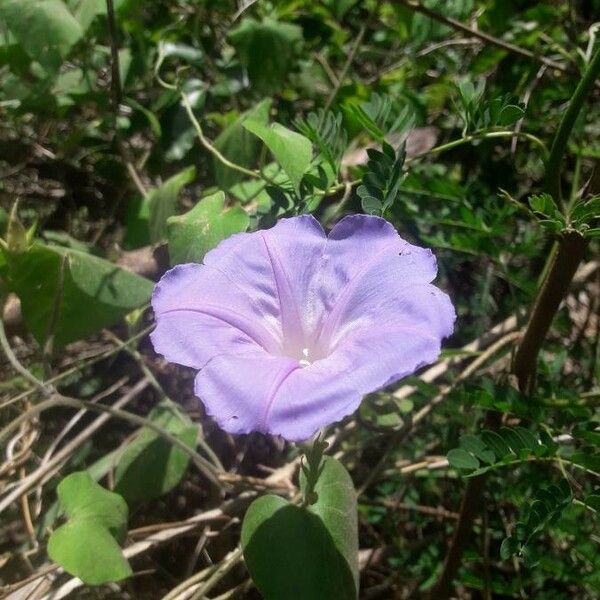
Often called Lindheimer’s Morning Glory, this stunning perennial vine is a true gem of the American Southwest. Named after the "Father of Texas Botany," Ferdinand Lindheimer, it blankets fences and rocky slopes with ethereal, sky-blue blossoms that seem to capture the color of a clear morning sky. Unlike many delicate garden store varieties, this native climber is a rugged survivor, built to endure the scorching heat of Texas and northern Mexico.
🔍 How to Identify
- 🌸 Heavenly Blooms: Large, funnel-shaped flowers that range from pale lavender to a deep, vibrant blue, usually featuring a pale or white center.
- 🍃 Lobed Foliage: The leaves are deeply divided into three to five narrow lobes, often resembling a bird’s footprint, which distinguishes it from the heart-shaped leaves of common morning glories.
- 🌀 Twining Stems: The vine grows by tightly wrapping its slender, fuzzy stems around any available support, reaching lengths of up to 10 feet in a single season.
🏡 In Your Garden
- 🌱 The Taproot Rule: This plant develops a deep, woody taproot to survive droughts. Because of this, it is notoriously difficult to transplant once established—pick its "forever home" in your garden carefully.
- ☀️ Sun Chaser: To see the best floral display, ensure it is in a spot with full sun. The blossoms are "early risers," opening at dawn and usually wilting or closing by the time the afternoon heat peaks.
- 🦋 Pollinator Magnet: It serves as a vital nectar source for large hawkmoths and native bees, making it an excellent addition to a wildscape or habitat garden.
⚠️ Safety & Toxicity
- 🚫 Toxic if Ingested: Like many members of the Convolvulaceae family, the seeds of Lindheimer’s Morning Glory contain alkaloids that can be harmful if eaten.
- 🐾 Pet & Child Safety: Keep the seed pods out of reach of curious pets and toddlers. Ingestion can lead to digestive upset or, in large quantities, more serious neurological symptoms.
✨ Fun Fact
Ferdinand Lindheimer, for whom the plant is named, was a German-born pressman and revolutionary who fled to Texas in the 1830s. He spent years wandering the wilderness in a wagon, collecting thousands of plant specimens while often accompanied only by his loyal dogs!

Detailed Care Instructions
To grow Ipomoea lindheimeri (also known as the Lindheimer's morning glory or Lindheimer's bindweed), you can follow these steps:
- Obtaining seeds or young plants: You can purchase seeds or young plants from local nurseries or online retailers. Ensure that the source is reputable to get healthy and viable plants.
- Choose a suitable location: Ipomoea lindheimeri prefers full sun to partial shade. Select a spot in your garden or a container with good drainage that receives at least 6-8 hours of direct sunlight per day.
- Soil preparation: The plant prefers well-drained soil with a slightly acidic to neutral pH level. Amend the soil with organic matter like compost to improve its fertility, drainage, and moisture-retaining capacity.
- Sowing seeds or transplanting seedlings: If you have seeds, sow them directly into the prepared soil after the last frost date, following the instructions on the seed packet. For young plants, dig a hole slightly larger than the root ball and place the plant gently, covering the roots with soil. Space the plants about 12-18 inches apart.
- Watering: Keep the soil evenly moist during the initial growing period for the seeds or plants to establish. Once established, Ipomoea lindheimeri is reasonably drought-tolerant but benefits from regular watering during dry periods.
- Mulching: Apply a layer of organic mulch around the base of the plant to conserve moisture, suppress weed growth, and provide insulation to the roots.
- Support: Ipomoea lindheimeri is a climbing plant that benefits from some support. You can provide trellises, stakes, or fences for it to climb up. Regularly tie the shoots gently using soft twine to guide their growth.
- Fertilization: Feed the plant with a balanced, slow-release fertilizer once in the spring and again in mid-summer to promote healthy growth and abundant flowering. Follow the dosage instructions on the fertilizer package.
- Pruning: Ipomoea lindheimeri may benefit from occasional pruning to control its size and shape. Prune back any damaged or dead growth and trim back vigorous shoots to prevent them from overwhelming the plant's structure.
- Pests and diseases: Monitor the plant regularly for common pests such as aphids, spider mites, and whiteflies. Treat infestations with appropriate organic or chemical controls. Also, ensure good air circulation around the plant to prevent fungal diseases.
By following these steps, you can successfully grow Ipomoea lindheimeri and enjoy its beautiful flowers.

Place in a bright room that is sun drenched almost all day. Or directly in a south-facing window.

To water this plant, make sure to check the soil moisture regularly. The plant prefers moist but well-draining soil, so water it when the soil feels dry to touch. Deep watering is recommended instead of frequent, shallow watering. Water the plant at the base and avoid getting the leaves and stems wet. Over-watering can harm the plant, so be careful not to let standing water remain in the soil. Additionally, reduce the frequency of watering during the winter months when the plant is dormant.
For best results, use a slow-release, balanced fertilizer with a ratio of 10-10-10. Apply the fertilizer once in the spring before new growth begins and again in mid-summer. Follow the package instructions for application rates, but generally, use 1/4 to 1/2 cup of fertilizer per plant. Water the plant immediately before and after fertilizing to prevent fertilizer burn.
The ideal soil to use for the plant in question is well-draining and loamy. It should consist of a mixture of sand, clay, and organic matter, and should be slightly acidic, with a pH of around 5.5 to 6.5. The soil should also be rich in nutrients, particularly nitrogen, phosphorus, and potassium. It is important to avoid using heavy, compacted soils or those that are prone to waterlogging, as this can lead to root rot and other problems. It may be necessary to amend the soil with additional organic matter, such as compost or well-rotted manure, to improve its structure and fertility. Overall, the key is to provide a well-draining, nutrient-rich soil that can support healthy growth and flowering.
To propagate this plant, you will need to take stem cuttings in spring or summer when the plant is actively growing. Use a sharp, clean pair of scissors or pruning shears to cut a 4-6 inch long stem just below a leaf node. Remove the bottom leaves from the stem, leaving only two or three sets of leaves at the top. Dip the cut end of the stem in rooting hormone powder and insert it into a pot filled with well-draining soil. Water thoroughly and place the pot in a bright, warm location with indirect sunlight. Keep the soil consistently moist but not wet, and mist the leaves occasionally. In a few weeks, the stem should develop roots and new growth. Once the plant is established, you can transplant it into a larger pot or directly into the garden.








