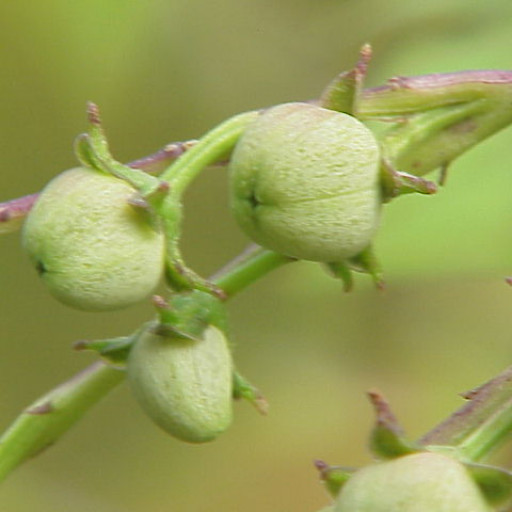
Plant Overview
Often called the "Spanish Flag" or "Firecracker Vine," Ipomoea lobata is a visual masterpiece that brings the colors of a sunset to your garden walls. Originally from Mexico and Brazil, this vigorous climber is famous for its unique flower spikes that transition through a stunning gradient of fiery colors. It is a showstopper for gardeners who want high-impact vertical growth in a single season.
🔍 How to Identify
- 🌸 Flower Spikes: Unlike most flowers that bloom in all directions, these grow in "unilateral racemes," meaning all the tubular flowers hang from one side of the stem.
- 🎨 Color Gradient: The magic is in the aging process. Buds start as a deep, brilliant scarlet, then fade to orange and yellow, eventually opening into creamy white blossoms.
- 🍃 Lobed Foliage: The leaves are distinctively shaped with three deep lobes, resembling a fleur-de-lis. This gives the vine a more delicate, airy appearance than its heart-shaped "Morning Glory" cousins.
🏡 In Your Garden
- 🧗 Vertical Ambition: This vine is a "twiner." Instead of using tendrils to grab onto surfaces, the entire stem wraps around supports. It needs a sturdy trellis, fence, or netting to reach its full 10-to-15-foot potential.
- ☀️ Heat Seekers: This plant thrives on heat. It often waits until the hottest part of the summer to begin its heavy blooming cycle, continuing until the first frost hits.
- 🦋 Pollinator Hub: The tubular shape and bright colors are specifically designed to attract hummingbirds and long-tongued butterflies, making it an essential addition to any pollinator-friendly landscape.
⚠️ Safety & Toxicity
- 🐾 Mild Toxicity: Like many members of the Convolvulaceae family, the seeds contain alkaloids. While not usually fatal, they can cause digestive upset, vomiting, or lethargy if ingested by curious dogs, cats, or horses.
- 👶 Child Safety: The plant is safe to touch, but it’s best to keep the seed pods out of reach of small children to prevent accidental ingestion.
✨ Fun Fact
Despite its exotic appearance, the Spanish Flag is a very close relative of the common Sweet Potato! While you won't find edible tubers under this vine, its rapid growth and "cascading fire" flowers make it a prize for any vertical garden.

Detailed Care Instructions
To grow Ipomoea lobata (also known as Spanish flag or firecracker vine), follow these steps:
- Choose a suitable location: Find a spot with full sunlight or partial shade. The plant prefers warm temperatures, so choose an area with a minimum temperature of 60°F (15°C).
- Prepare the soil: Ipomoea lobata prefers well-draining soil. You can amend the soil with organic matter like compost to improve drainage and fertility.
- Planting: If you live in a region with a short growing season or cooler climate, start the seeds indoors in pots or trays about 6-8 weeks before the last frost. Sow the seeds about ¼ inch deep and keep them moist.
Otherwise, directly sow the seeds in the garden after the last frost date. Plant the seeds 1 inch deep and about 6-8 inches apart, as they need room to spread.
- Watering: Keep the soil evenly moist but not waterlogged, especially during dry periods. Water at the base of the plant to avoid wetting the foliage excessively, as this can make the plant susceptible to fungal diseases.
- Provide support: Ipomoea lobata is a climbing vine, so it requires support to grow and spread. Install a trellis, fence, or other sturdy support structure before planting the seeds, so the plant can climb as it grows.
- Fertilization: Apply a balanced liquid fertilizer every two weeks during the growing season to promote healthy growth and blooming.
- Prune: Ipomoea lobata can become bushy, so it's important to prune the plant periodically to maintain its shape and encourage air circulation. Remove any dead or damaged branches and trim back excessive growth as needed.
- Pests and diseases: Watch for common garden pests like aphids or spider mites, and promptly treat them with insecticidal soap or other organic pest control methods. Ensure good air circulation around the plant to minimize the risk of fungal diseases.
- Harvesting seeds: If you want to collect seeds for future planting, allow the flowers to mature and dry on the plant. Once the seed capsules turn brown and dry, they can be harvested, stored, and used for future planting.
Remember to check for any local regulations or guidelines regarding the cultivation of Ipomoea lobata, as it can be invasive in some areas.

Place in a bright room that is sun drenched almost all day. Or directly in a south-facing window.

Ipomoea Lobata plant should be watered by moistening the soil around its root system. It is important to ensure that the soil is neither too dry nor too saturated with water. The plant should be watered moderately, allowing the soil to dry out slightly before watering it again. It is ideal to water the plant early in the morning or late in the evening, to avoid evaporation due to the heat of the day. Watering from the base of the plant is preferred over watering from the top, to avoid wetting the foliage which can cause the plant to develop fungus or other diseases. It is best to avoid waterlogging the plant as it can lead to root rot and eventually kill the plant.
- Choose a water-soluble fertilizer with balanced nutrients.
- Dilute the fertilizer as per the instructions mentioned on the product label.
- Apply the fertilizer during the growing season between spring to fall.
- Apply the fertilizer every two to three weeks for optimum growth.
- Avoid over-fertilizing as it can lead to excessive foliage growth with fewer flowers.
- Apply the fertilizer at the base of the plant away from the stem and leaves.
- Water the plant thoroughly before and after fertilizing to prevent fertilizer burn and ensure proper uptake of nutrients.
The ideal soil for growing this plant should have a good drainage system and have a pH level that ranges between 6 and 7.5. The soil should be well-drained and should not hold too much water, as it can lead to root rot. The soil should be rich in organic matter, and it should be able to retain moisture, but not be too compact or heavy. The plant prefers fertile soil that is loose, slightly acidic, and has good drainage, as it helps in the proper absorption of nutrients from the soil. It can also grow in sandy loam soil and thrives in warm climates with partial or full sunlight. Adding compost or other organic matter rich in nitrogen, phosphorus, and potassium is beneficial for the plant's growth and development. It is advisable to test the soil's pH level before planting the Ipomoea Lobata plant to ensure optimal growth conditions.
To propagate this plant, the first step is to choose a healthy and mature plant from which to take cuttings. Select stems that are at least 4-6 inches long and have a few nodes (where the leaves attach to the stem).
Use clean, sharp scissors or pruning shears to make a clean cut just below a node. Remove any lower leaves that would be submerged in water.
Place the cuttings in a jar or vase of clean water, making sure the nodes are completely submerged. Change the water every few days to prevent algae growth and maintain freshness.
After a few days to a week, small roots will begin to emerge from the nodes. Once the roots are at least an inch long, the cuttings can be planted in soil.
Choose a well-draining potting mix and fill a small pot or container. Make a small hole in the center and gently place the cutting into the soil, making sure the roots are covered and the stem is upright.
Water thoroughly and place in a warm, bright spot. To encourage bushier growth, pinch off the tips of the stems once they reach about 6 inches tall.
With proper care and patience, the cutting will begin to grow new leaves and roots and will eventually become a mature, healthy plant.
Common pests of the spanish-flag include Spider mites, aphids, thrips. Make a habit of checking your spanish-flag frequently for pests so that any infestations can be caught and managed early.








