Plant Overview
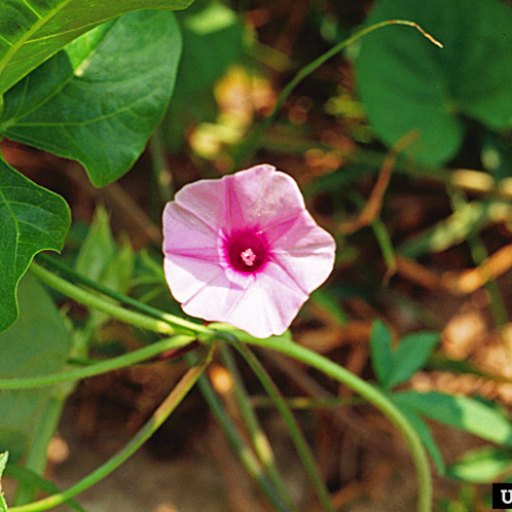
Often called the Five-finger Morning Glory, Ipomoea wrightii is a delicate, star-patterned climber that brings a touch of wild elegance to any fence or trellis. Unlike some of its more aggressive cousins, this species is prized for its intricate, hand-shaped foliage and soft lavender blooms that greet the sun at the break of dawn. It is a master of vertical space, using its wiry stems to weave living tapestries in warm, sunny landscapes.
🔍 How to Identify
- 🖐️ Five-Lobed Leaves: Its most distinctive feature is the "palmate" leaf, which is deeply divided into five slender, finger-like segments, resembling a tiny outstretched hand.
- 🌸 Lavender Funnels: The flowers are classic morning glory funnels, usually appearing in shades of pale purple or pinkish-lavender with a slightly darker center.
- 🌀 Twining Stems: The stems are remarkably thin and wiry, naturally spiraling in a clockwise direction to find support as they climb.
🏡 In Your Garden
- 🧗 Support Systems: Because it climbs by twining its entire stem rather than using tendrils, it performs best on thin supports like chicken wire, mesh, or light trellises.
- ☀️ Sun & Bloom: This plant is a sun-worshipper; the more light it receives, the more flowers it will produce. In heavy shade, it tends to grow "leggy" with very few blooms.
- 🌱 Voluntary Growth: It is a prolific seed producer. If you plant it once, expect to see "volunteer" seedlings appearing nearby next season, as the seed pods burst and scatter when dry.
⚠️ Safety & Toxicity
- 🐾 Toxic to Pets: Like many members of the Ipomoea genus, the seeds of Wright's Morning Glory contain alkaloids that can be harmful if ingested by dogs, cats, or horses.
- 👶 Ingestion Hazard: Keep the decorative seed pods away from small children. While the foliage is generally less toxic than the seeds, ingestion can cause stomach upset or more serious neurological symptoms in large quantities.
✨ Fun Fact
The genus name Ipomoea comes from the Greek words ips (worm) and homoios (resembling), referring to the way the vines "worm" their way through the undergrowth and climb toward the canopy!

Detailed Care Instructions
| Lighting | Full Sun |
To grow Ipomoea wrightii, commonly known as Wright's morning glory, follow these steps:
- Obtain seeds: Purchase Ipomoea wrightii seeds from a reputable supplier. Alternatively, you can collect seeds from mature plants if available.
- Prepare the soil: Choose a well-draining soil mix or amend the existing soil with organic matter, such as compost. This will help provide essential nutrients and improve drainage.
- Start indoors (optional): Ipomoea wrightii can be started indoors 4-6 weeks before the last frost date. Plant one seed per pot in a seed-starting mix, covering it with a light layer of soil. Keep the pots in a warm, sunny location or under grow lights, ensuring they receive at least 6-8 hours of sunlight per day.
- Direct sowing: Ipomoea wrightii can also be directly sown outdoors after the last frost date. Choose a sunny location in your garden with well-draining soil.
- Sow the seeds: If sowing outdoors, sow the seeds about 1/4 to 1/2 inch deep and cover lightly with soil. Space the plants about 6-12 inches apart to allow them enough room to grow.
- Watering: Keep the soil moist until the seeds germinate, which usually takes around 7-14 days. Once established, reduce watering, allowing the top inch of soil to dry out between waterings. Ipomoea wrightii is drought-tolerant and overwatering may cause root rot.
- Provide support: Ipomoea wrightii is a climbing vine, so provide a trellis or other vertical support for the plants to grow on. This will help maintain a neat appearance and prevent the vines from becoming tangled.
- Fertilizing: Apply a balanced, slow-release fertilizer during the growing season to provide essential nutrients. Follow the package instructions for application rates.
- Maintenance: Remove any weeds that may compete with the plants for nutrients and water. Mulching around the plants helps to suppress weed growth and maintain soil moisture.
- Pests and diseases: Monitor for common garden pests, such as aphids or caterpillars, and treat them accordingly. Ensure good air circulation to prevent fungal diseases. Removing any affected leaves or plants can help prevent the spread of diseases.
- Harvesting seeds: If you want to collect seeds for future planting, allow the flowers to mature and fade. The seed pods will form and eventually dry out and split open, revealing the dark-colored seeds. Harvest the dried seeds and store them in a cool, dry place until next season.
With proper care and attention, your Ipomoea wrightii plants should grow well and provide beautiful flowers throughout the growing season.

Place in a window with dappled sun or a spot in the middle of a room. Or directly in a window facing west or east.

To water this plant, it is important to first check the soil moisture level by sticking your finger about an inch deep into the soil. If the soil feels dry, it is time to water the plant. Use a watering can or hose to slowly pour water around the base of the plant, taking care not to water the leaves or flowers. Allow the water to soak into the soil before adding more, as overwatering can lead to root rot. It is best to water this plant in the morning or evening when the sun is not too strong, as watering during the hottest part of the day can cause the water to evaporate before it has a chance to be absorbed by the roots. As the plant grows, adjust the amount and frequency of watering based on its individual needs.
To fertilize this plant, start by selecting a balanced fertilizer with an equal ratio of nitrogen, phosphorus, and potassium. Then, mix the fertilizer according to package instructions and apply it to the soil around the plant's base. Be careful not to let the fertilizer touch the leaves or stems as this can burn them. Water the plant thoroughly after fertilizing to help the nutrients absorb into the soil. Repeat this process every four to six weeks during the growing season.
The ideal soil for Ipomoea Wrightii should be well-draining and fertile, with a slightly acidic pH level. It should contain enough organic matter to retain moisture while allowing excess water to drain away. While the plant can tolerate a wide range of soil types, it prefers soil that is loamy, sandy, or rocky. Adding compost or other organic materials to the soil can help improve its nutrient content and water-holding capacity. It is important to avoid heavy clay soils and poorly-drained soils, which can lead to root rot and other problems. Prior to planting, it may be necessary to amend the soil with lime or sulfur to adjust the pH level if necessary.
To propagate this species of plant, select a healthy, mature stem and make a clean cut at a 45-degree angle with a sharp, sterile blade. Remove any lower leaves from the stem and dip it in a rooting hormone solution. Plant the stem in moist soil, keeping the soil consistently damp but not waterlogged. Place the newly planted stem in a warm, well-lit area, but out of direct sunlight. Monitor the soil moisture and mist the leaves regularly until roots have developed. Once roots have formed, regularly fertilize and water the plant as it grows to promote healthy growth.








