Plant Overview
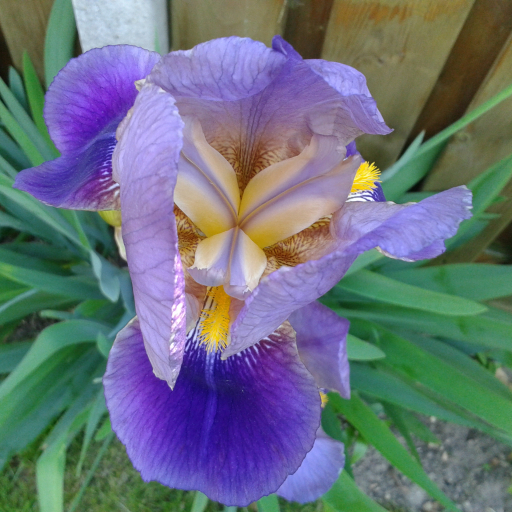
The Bearded Iris, often called the "Goddess of the Rainbow," is the regal centerpiece of the spring garden. This timeless perennial has been a favorite for centuries, famously inspiring the "Fleur-de-lis" symbol of French royalty. Though its name suggests a German origin, it is actually a natural hybrid that wandered across Europe and the Mediterranean, captivating gardeners with its structural elegance and intoxicating, grape-soda scent.
🔍 How to Identify
- 🧔 The "Beard": The most distinctive feature is the fuzzy, caterpillar-like strip (the beard) running down the center of the drooping lower petals.
- 🌸 Standards and Falls: Each flower consists of three upright petals called "standards" and three hanging petals called "falls," creating a complex, layered architectural look.
- ⚔️ Sword-like Foliage: Even when not in bloom, the plant is easily recognized by its stiff, bluish-green leaves that grow in flat, fan-shaped clusters.
- 🥔 Exposed Rhizomes: Unlike most plants, the thick, potato-like roots (rhizomes) of the Bearded Iris are often visible, sitting right on top of the soil line.
🏡 In Your Garden
- ☀️ Sun-Baked Backs: These plants are sun-worshippers. The rhizomes actually need to be exposed to the sun and "baked" to produce flowers; burying them too deep is the most common reason they fail to bloom.
- ✂️ Crowd Control: Every few years, the center of the plant may become woody and stop flowering. They are heavy feeders and require "division"—lifting the clump and snapping off the younger, outer sections to replant—to keep the display vibrant.
- 💧 Drainage is Key: Because they grow from fleshy rhizomes, they are highly susceptible to "soft rot" if the soil stays soggy. They prefer "dry feet" and excellent air circulation to prevent leaf spot.
⚠️ Safety & Toxicity
- 🐾 Toxic to Pets: The Bearded Iris contains the compound irisin. The highest concentration is found in the rhizomes. If ingested by dogs or cats, it can cause vomiting, drooling, and lethargy.
- 🖐️ Skin Irritation: Some gardeners experience mild skin irritation (dermatitis) when handling the rhizomes or sap. It is a good idea to wear gloves when dividing large patches.
✨ Fun Fact
The name Iris comes from the Greek goddess of the rainbow, who acted as a messenger between heaven and earth. Ancient Greeks would plant purple irises on the graves of women, believing the goddess would lead their souls to the afterlife along a rainbow path.

Detailed Care Instructions
To grow Iris X Germanica, also known as German iris or bearded iris, you can follow these steps:
- Choose a sunny location with well-draining soil for your German iris plant. They prefer full sun but can also tolerate partial shade.
- Plant the rhizomes in the soil, ensuring that they are partially exposed above the soil. Space the rhizomes about 12-18 inches apart to allow room for growth.
- Water the plants regularly, especially during the growing season in the spring and early summer. Be careful not to overwater as German iris plants do not like to sit in waterlogged soil.
- Fertilize the plants in early spring with a balanced fertilizer to promote healthy growth and blooming.
- Mulch around the base of the plants to help retain moisture and suppress weed growth.
- Deadhead faded blooms to encourage more flowers to bloom and to keep the plant looking tidy.
- Divide and replant the rhizomes every few years to prevent overcrowding and promote better blooming.
By following these steps, you can successfully grow and care for Iris X Germanica plants in your garden.

Place in a bright room that is sun drenched almost all day. Or directly in a south-facing window.

Iris X Germanica plants should be watered regularly to keep the soil consistently moist but not waterlogged. Water at the base of the plant, near the roots, rather than on the leaves to prevent fungal diseases. During hot and dry periods, it may be necessary to water more frequently to ensure the plant stays hydrated. It is important to avoid watering overhead, as this can lead to rot or disease. Consider using a soaker hose or drip irrigation system to provide consistent and even moisture to the plant. Be sure to check the soil's moisture level regularly and adjust watering frequency as needed.
To fertilize Iris X Germanica plants, apply a balanced fertilizer with an NPK ratio of 10-10-10 in early spring as new growth appears. Be sure to follow the manufacturer's instructions for the proper application rate. Avoid fertilizing once flowering has begun to prevent excessive growth of foliage at the expense of blooming. Water the plants after fertilizing to help the nutrients penetrate the soil and reach the roots. Fertilize once a year to ensure healthy growth and vibrant blooms.
Iris x germanica plants thrive in well-draining, nutrient-rich soil that is slightly acidic to neutral in pH. A mixture of loamy soil and organic compost is ideal for these plants. It is important to ensure that the soil is loose and friable to allow for good root development and proper drainage. Additionally, adding a layer of mulch around the base of the plant can help retain moisture and regulate the soil temperature. Overall, providing the right type of soil is crucial in promoting healthy growth and blooming of Iris x germanica plants.
Iris X Germanica can be propagated through division of the rhizomes. This is typically done in late summer to early fall when the plant has finished blooming for the season.
To propagate, carefully dig up the clump of rhizomes and separate them into smaller sections, making sure each section has healthy roots and at least one fan of leaves. Cut the rhizomes apart using a clean, sharp knife.
Plant the divided rhizomes in a well-draining soil mix, with the tops of the rhizomes exposed and the roots buried. Water the newly planted rhizomes thoroughly and place them in a sunny spot in the garden.
It is important to keep the soil consistently moist until the new plants become established. Once the new plants have developed a good root system, they can be transplanted to their permanent location in the garden.








