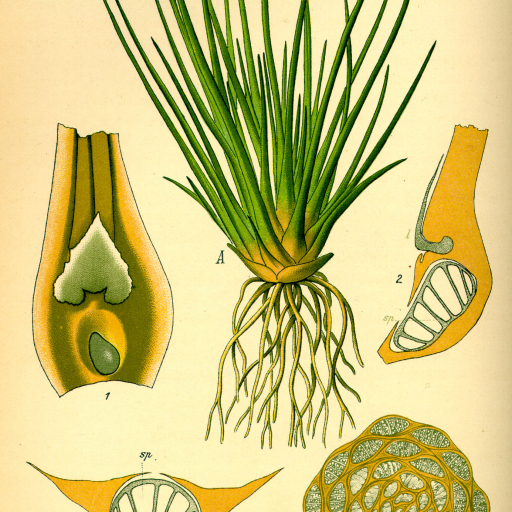
Plant Overview
Often called Merlin's Grass, the Lake Quillwort is a mysterious relic of the prehistoric world. While it looks like a tuft of lawn grass forgotten at the bottom of a lake, it is actually a "living fossil" related to ancient clubmosses. It thrives in the silent, crystal-clear depths of cold mountain pools, where it has remained largely unchanged for millions of years.
🔍 How to Identify
- 🌿 The Quills: The leaves are stiff, dark green, and almost translucent. They are cylindrical and hollow, tapering to a sharp point, and typically grow 5 to 15 centimeters long.
- 💎 The Rosette: Leaves emerge from a central point in a tight, spiraling tuft. Unlike true grasses, these "quills" are quite brittle and will snap cleanly if bent.
- 🔬 Hidden Spores: Since it doesn't produce flowers or seeds, look at the very base of the outer leaves. You’ll find small, swollen pouches (sporangia) that house the spores used for reproduction.
🏡 In Your Garden (or Aquarium)
- 🌊 The Bio-Indicator: If you are growing this in a specialized cold-water tank or pond, keep in mind it is a "canary in the coal mine." It demands extremely clean, nutrient-poor (oligotrophic) water. It will quickly wither if algae or pollution take over.
- ⛰️ Substrate Preference: It avoids thick mud. In the wild, it anchors itself into sandy or gravelly lake bottoms. If planting it, ensure the "corm" (the bulbous base) is not buried too deeply, as it needs to breathe.
⚠️ Safety & Toxicity
- ✅ Safe Status: Isoetes lacustris is generally considered non-toxic to humans, dogs, and cats.
- 🧤 Physical Fragility: While not poisonous, the plant is physically delicate. Because it grows slowly and breaks easily, it is best kept away from curious pets or high-traffic areas in a pond where it might be stepped on.
✨ Fun Fact
The Lake Quillwort is a "CO2 specialist." While most plants breathe through their leaves, Isoetes has the rare ability to absorb carbon dioxide through its roots from the lake sediment, allowing it to survive in crystal-clear waters where there is very little CO2 available in the water itself!

Detailed Care Instructions
To grow Isoetes Lacustris (also known as mermaid's fan or quillwort plant), you will need to follow these steps:
- Obtain Rhizomes: Purchase Isoetes Lacustris rhizomes from a reputable nursery or online supplier. Rhizomes are the underground stems from which the plant will grow.
- Choose Suitable Environment: Isoetes Lacustris is an aquatic plant that grows in shallow freshwater environments such as ponds, lakes, or even water-filled containers. Ensure you have access to freshwater with a temperature range of 15-25°C (59-77°F).
- Prepare Planting Container: Select a container with a wide base and shallow depth to mimic the natural habitat of the plant. Fill the container with a mixture of soil and sand in a 1:1 ratio.
- Plant Rhizomes: Place the Isoetes Lacustris rhizomes on the soil surface in the container. Plant them evenly, allowing some space between each rhizome.
- Submerge the Container: Fill the container with freshwater until the rhizomes are fully submerged. Ideally, the water level should be between 3-10 cm (1-4 inches) above the rhizomes.
- Provide Optimal Light: Isoetes Lacustris requires moderate to bright light for photosynthesis. Place the container in a well-lit area with indirect sunlight. If placing the container outdoors, make sure it receives partial shade during the hottest part of the day.
- Maintain Water Quality: Ensure the water remains clean and clear by regularly changing it, ideally every two weeks. Using filtered water or rainwater is recommended to prevent the buildup of harmful chemicals.
- Maintain Water Temperature: Keep the water temperature within the range of 15-25°C (59-77°F) by adding ice cubes during hot weather or using a heater during colder periods.
- Fertilize Sparingly: Isoetes Lacustris typically does not require additional fertilization. However, if necessary, use a slow-release aquatic plant fertilizer following the manufacturer's instructions. Apply it sparingly to prevent water contamination.
- Monitor Growth: Observe the growth of the plants. Over time, the Isoetes Lacustris rhizomes will develop leaves that resemble small quills or fans. These unique leaf structures are characteristic of this plant.
- Prune when Necessary: If the plant becomes overcrowded or the leaves start to decay, remove excess growth to maintain water circulation and prevent rot.
Remember to always research specific care requirements for Isoetes Lacustris and adjust as necessary based on the needs of your plants.

Place in a bright room that is sun drenched almost all day. Or directly in a south-facing window.
When it comes to watering this plant, it is important to keep in mind that it is an aquatic species, meaning it requires a lot of water to thrive. One method for watering is to simply submerge the plant in water, ensuring that it is completely covered. Another option is to place the plant in a container filled with water, and allowing the water level to stay at approximately the same level as the soil.
When watering, it is important to monitor the pH of the water to ensure that it is within the plant's preferred range. Additionally, it is important to maintain a steady water temperature, as dramatic fluctuations can cause stress to the plant.
In terms of frequency, this plant should be watered on a regular basis, as it is constantly submerged in water and therefore requires a constant supply. It is important to avoid letting the water become stagnant, as this can lead to bacterial growth and cause harm to the plant. With proper care and attention to its watering needs, this plant can thrive and serve as a beautiful addition to any aquatic setting.
For fertilizing the Isoetes Lacustris plant, it is best to use a slow-release granular fertilizer that is high in phosphorus and potassium. Apply the fertilizer in early spring or late summer, making sure to sprinkle it evenly around the plant's base and not too close to the stem. Water the plant thoroughly after fertilizing to help the nutrients penetrate deep into the soil. Avoid over-fertilizing as this can damage the roots and stunt the plant's growth.
The recommended soil for growing the Isoetes Lacustris plant is a well-draining mixture that is rich in organic matter. It should be a sandy loam soil with slightly acidic to neutral pH levels, preferably in the range of 6.0 to 7.0. The soil should provide good aeration and drainage to prevent waterlogging, but also retain enough moisture to keep the plant hydrated. The addition of a water-retaining material like peat moss or vermiculite can help achieve optimal soil moisture. Fertilization is not recommended, but regular watering should be provided during the growing season. Overall, the soil should be of good quality with minimal contaminants and free from pathogens.
To propagate this plant, first select a healthy adult specimen. Locate the sporangia on the underside of the fronds, which contain the spores necessary for reproduction. Use a razor blade or sharp scissors to carefully remove the sporangia and place them in a container filled with sterile potting mix. Maintain the container in a warm, humid environment to encourage spore germination. Once the spores have sprouted into gametophytes, transfer them to pots containing soil and continue to provide warmth and moisture until they develop into mature plants.








