Plant Overview
Often called "Parapara" or "Gualanday," Jacaranda copaia is a towering pioneer of the Neotropical rainforests. While its cousins are often used as decorative street trees, this species is a sky-reaching giant that helps heal the forest after a clearing or fire. Its high canopy occasionally erupts in a misty lavender haze, signaling its presence from miles away to the birds and bees of the Amazon.
🔍 How to Identify
- 🌳 Stature: A massive, fast-growing tree that can reach up to 45 meters (145 feet) in height, often featuring a remarkably straight and slender trunk.
- 🌿 Foliage: Large, fern-like leaves (bipinnate) that can grow up to a meter long, giving the tree a soft, feathery texture despite its imposing size.
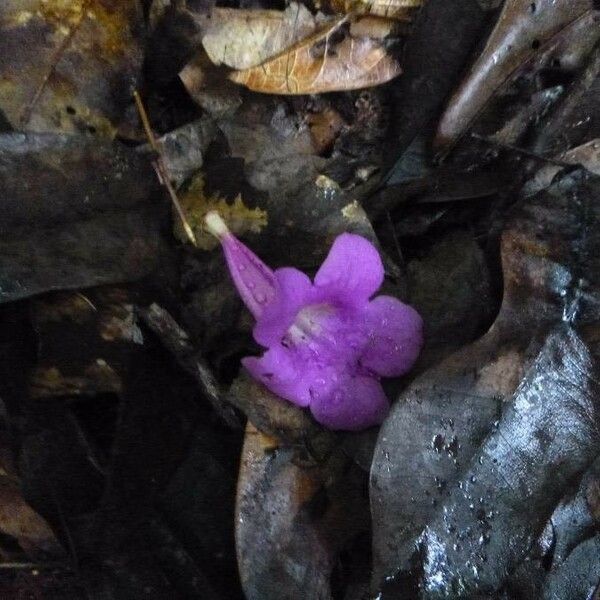
- 🪻 Blooms: Dense upright clusters of tubular, pale violet or bluish-purple flowers that typically appear at the very tips of the branches during the dry season.
🌲 Habitat & Ecology
- ☀️ The Sun Seeker: This is a "pioneer species," meaning it is one of the first trees to colonize open spaces. It is addicted to light and will rapidly outgrow slower species to claim its spot in the sun.
- 🦜 Biodiversity Hub: Because it grows so quickly and produces massive amounts of nectar, it is a vital food source for tropical pollinators and provides essential nesting heights for canopy-dwelling birds.
- 🌱 Soil Architect: It prefers well-drained, moist soils and is frequently found in the lowland rainforests of Central and South America, particularly in areas where the forest floor has been disturbed.
⚠️ Safety & Toxicity
- ✅ General Safety: Jacaranda copaia is considered non-toxic to humans and is not known for causing skin irritation upon contact.
- 🐾 Pet Watch: While no specific toxic compounds are recorded for domestic animals, it is always best to discourage pets from chewing on fallen bark or large quantities of seed pods to prevent any potential digestive blockages.
✨ Fun Fact
In various Amazonian cultures, Jacaranda copaia is known as a "Forest Pharmacy." The bark and leaves are traditionally used to treat skin infections and even snakebites, leading scientists to study the tree for its genuine antimicrobial and anti-inflammatory properties.

Detailed Care Instructions
To grow Jacaranda Copaia (also known as the Copaia Jacaranda Tree or the Fern Tree), follow these steps:
- Choose a suitable location: Select a spot in your garden that receives full sun to partial shade. The tree can tolerate a variety of soil types but prefers well-draining soil.
- Prepare the soil: If the soil is clayey or compacted, amend it with organic matter like compost or aged manure to improve drainage and fertility.
- Planting: Dig a hole that is twice as wide and slightly deeper than the root ball of the plant. Gently remove the plant from its container and loosen the root ball if it appears root-bound. Place the tree in the hole, ensuring that the top of the root ball is level with or just slightly above the soil surface. Backfill the hole with soil, firming it gently around the roots.
- Watering: After planting, water the tree thoroughly to settle the soil and eliminate any air pockets. Provide regular watering during the first few months to establish the plant. Once established, Jacaranda Copaia is relatively drought-tolerant but benefits from occasional deep watering during dry periods.
- Mulching: Apply a layer of organic mulch around the base of the tree to help retain moisture, suppress weeds, and provide nutrients as it breaks down. Keep the mulch a few inches away from the trunk to prevent moisture-related issues.
- Pruning: Prune Jacaranda Copaia during the dormant season (late winter or early spring) to remove any dead, damaged, or crossing branches. Light shaping or thinning can also be done to maintain a desired form. Avoid excessive pruning, as it can weaken the tree.
- Fertilization: Jacaranda Copaia generally doesn't require heavy fertilization. However, you can apply a slow-release balanced fertilizer in spring if the tree shows signs of nutrient deficiency. Follow the manufacturer's instructions for dosage and application.
- Pest and disease control: Thankfully, Jacaranda Copaia is relatively pest and disease resistant. However, keep an eye out for common garden pests such as aphids, scale insects, or caterpillars, and take appropriate measures if an infestation occurs. Regularly inspect the tree for any signs of disease, such as leaf spots or wilting, and consult a local plant expert or extension office for proper diagnosis and treatment.
Remember that Jacaranda Copaia is native to tropical and subtropical regions, so it may not be suitable for colder climates with freezing temperatures. Ensure the plant is adequately protected during any extreme weather conditions in your area.

Place in a bright room that is sun drenched almost all day. Or directly in a south-facing window.

The Jacaranda Copaia plant requires deep and thorough watering to ensure its roots receive enough moisture. When watering, avoid getting water on the leaves or flowers as this can lead to fungal diseases and rot. Instead, aim to water directly at the soil around the base of the plant. During hot and dry weather conditions, the frequency of watering should be increased to prevent the soil from drying out completely. It is important to monitor the soil moisture and adjust watering accordingly to avoid overwatering, which can lead to root rot. Finally, it's best to water in the morning or early evening to reduce water evaporation during hot periods.
To fertilize this plant, apply a balanced fertilizer once every two months during the growing season. Mix the fertilizer according to the package instructions and water the plant thoroughly before and after fertilizing. Avoid over-fertilizing as it can lead to burnt roots and leaf yellowing. Additionally, make sure to keep the soil moist but not waterlogged to prevent root rot.
The optimal soil for the Jacaranda Copaia plant is well-draining, with a slightly acidic to neutral pH. The soil should be rich in nutrients, including organic matter and nitrogen, as these will promote healthy growth and vibrant foliage. A sandy loam or loamy sand soil texture is ideal, as it allows for both excellent drainage and moisture retention, without becoming waterlogged. It is also important to avoid heavy clay soils, as these can suffocate the plant's roots and cause rot. Adding mulch around the base of the plant can also help to retain moisture and nutrients in the soil. Overall, a balanced, nutrient-rich soil is essential for the Jacaranda Copaia plant to thrive and develop into a beautiful, healthy specimen.
The process of propagating this plant can involve taking stem cuttings from the parent plant and rooting them in soil or water. It is important to cut the stem at a diagonal angle and ensure that it has at least two nodes underground. The cutting should be placed in a moist, well-draining soil mix or in a jar or vase filled with water.
Once rooted, it is recommended to transplant the new plant into a larger pot with fresh soil and provide proper care such as watering and fertilizing regularly. It may take several weeks for the new plant to establish itself and begin growing new leaves.
Alternatively, seeds can be collected from the parent plant and sown in a seed starting mix. The seeds should be kept moist and warm until they germinate, which can take several weeks to several months. Once the seedlings are large enough, they can be transplanted into larger pots and provided with proper care.








