Plant Overview
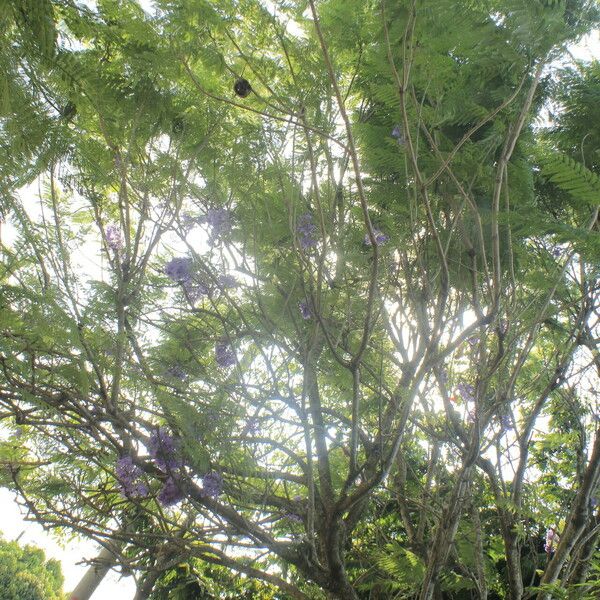
Known as the "Fern Tree" or simply the "Blue Jacaranda," Jacaranda obtusifolia is a tropical masterpiece that transforms landscapes into ethereal purple tunnels. Native to the lush regions of South America, particularly Brazil and Venezuela, this tree is celebrated for its delicate, lace-like foliage and vibrant lavender blooms. While it is a slightly rarer cousin to the common Jacaranda mimosifolia, it offers a more refined, airy silhouette that captures the heart of any nature lover.
🔍 How to Identify
- 🌿 Feathery Foliage: The leaves are "bipinnate," meaning they branch out into tiny, fern-like leaflets. This gives the tree a soft, misty appearance even when it isn't in flower.
- 💜 Trumpet Blooms: It produces dense clusters of tubular, bell-shaped flowers. These blossoms are typically a deep periwinkle or violet and often appear just before or alongside the new spring leaves.
- 🟤 Woody Seed Pods: Following the floral display, the tree develops unique, flattened, circular seed pods. These tough, woody "capsules" look like small castanets and turn a dark brown as they ripen.
🏡 In Your Garden
- ☀️ Sun and Space: This tree is a dedicated sun-worshipper. To achieve that iconic "purple cloud" effect, it must be planted in a spot that receives full, direct sunlight; otherwise, the flowering will be sparse and the branches leggy.
- 💧 The "Feet" Rule: Jacaranda obtusifolia thrives in well-draining, sandy soil. It is relatively drought-tolerant once established but hates "wet feet." Avoid heavy clay soils that trap water, as this can quickly lead to root rot.
- 🧹 Seasonal Carpeting: One of the most beautiful—yet messy—traits of this tree is the "purple carpet." When the blooms fade, they drop all at once. It is best to plant it away from swimming pools, decks, or driveways where the fallen flowers might become slippery or clog filters.
⚠️ Safety & Toxicity
- 🐾 Pet Friendly: The Jacaranda is generally considered non-toxic to dogs, cats, and horses, making it a safe choice for family gardens.
- ✋ Skin Sensitivity: While not poisonous, the sap can occasionally cause mild skin irritation in sensitive individuals. Additionally, the fallen blossoms can become very slippery on sidewalks after rain, so caution is advised when walking near them.
✨ Fun Fact
In parts of Australia and South Africa, the blooming of the Jacaranda is affectionately known as "Purple Panic." Because the flowers typically emerge in late spring—right when university final exams begin—students believe that if a Jacaranda flower falls on your head, you are destined to pass your exams with flying colors!

Detailed Care Instructions







