Plant Overview
Known as the Mexican Walnut or the "Nuez de la Montaña," Juglans pyriformis is a majestic, rare giant native to the cloud forests of Mexico. Often referred to as the "Pear-shaped Walnut" due to the unique silhouette of its fruit husks, this tree is a prized specimen for its incredibly dark, high-quality timber and its role as a cornerstone of its native ecosystem. Unfortunately, it is currently considered endangered in the wild, making every cultivated sapling a vital contribution to its survival.
🔍 How to Identify
- 🍐 The Fruit: Unlike the perfectly round walnuts you see in stores, the outer green husk of this species is distinctly elongated or pear-shaped.
- 🌿 The Foliage: It features large, feathery "pinnate" leaves, meaning multiple leaflets grow along a central stem, creating a lush, tropical-looking canopy.
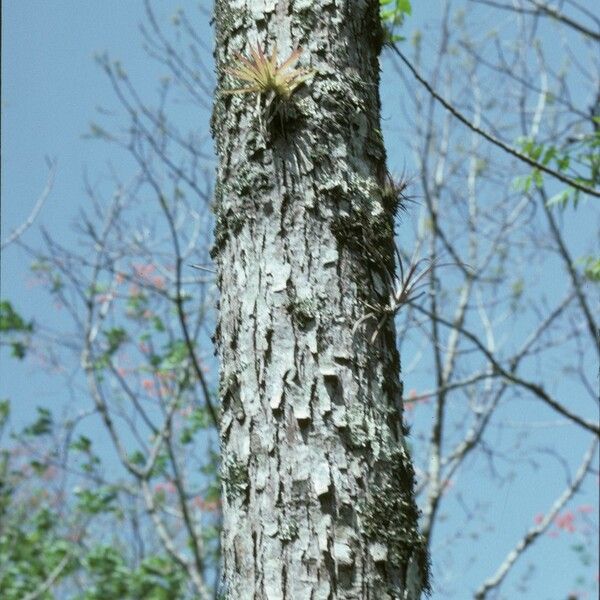
- 🪵 The Bark: As the tree matures, its bark transforms from smooth and grayish into a deeply furrowed, rugged texture with dark chocolate-colored crevices.
🏡 In Your Garden
- 🌳 The Taproot Challenge: This tree develops a massive, deep taproot very early in life. This makes it incredibly drought-resistant once established, but it also means it hates being moved—pick its "forever home" carefully!
- 🧪 Chemical Warfare: Like its cousins, the Mexican Walnut produces a chemical called juglone. This is a natural herbicide released into the soil that prevents many other plants (like tomatoes or azaleas) from growing nearby, so give it plenty of personal space.
- ☁️ Climate Needs: While it is a walnut, it hails from misty highlands. It prefers deep, rich soil and consistent humidity rather than the scorching, dry heat typical of desert climates.
⚠️ Safety & Toxicity
- 🐾 Pet Safety: The nuts themselves are not toxic, but fallen walnuts that have stayed on the ground can grow a specific type of mold (Penicillium) that is highly toxic to dogs if ingested.
- 🌱 Plant Sensitivity: As mentioned, the "Juglone" it produces can wilt or kill sensitive garden plants within its root zone. It is not harmful to humans or pets to touch, but it can stain skin and clothing with a dark brown dye.
✨ Fun Fact
The specific epithet pyriformis literally translates to "pear-formed" in Latin. Historically, the dark husks were used by indigenous communities to create a permanent deep-brown dye for textiles and hair, a practice that continues in some artisanal circles today!

Detailed Care Instructions
Juglans pyriformis, commonly known as the pear-shaped walnut or other similar names, is a species of walnut native to certain regions. Growing this plant can be rewarding, as it produces edible nuts and has a unique appearance. Here’s how you can successfully grow Juglans pyriformis:
1. Choose the Right Location
- Sunlight: Select a spot that gets full sun, ideally at least 6 to 8 hours of direct sunlight each day.
- Soil: Well-draining soil is crucial. A loamy soil with good organic matter is best, but Juglans pyriformis can tolerate a range of soil types.
2. Planting
- Timing: The best time to plant is in the spring after the last frost or in the fall.
- Spacing: If you’re planting more than one tree, space them at least 20-30 feet apart to allow for their mature size.
- Method:
- Dig a hole that is twice as wide and as deep as the root ball.
- Place the tree in the hole, ensuring that the top of the root ball is level with the ground surface.
- Backfill with soil and water well to eliminate air pockets.
3. Watering
- Dig a hole that is twice as wide and as deep as the root ball.
- Establishment: Water the young trees regularly to keep the soil moist but not waterlogged. Once established, these trees are relatively drought-tolerant.
- Frequency: Water frequently during the hot summer months, especially in the first couple of years.
4. Fertilization
- Type: Use a balanced fertilizer during the growing season to support healthy growth. Organic options like compost or well-rotted manure can also be beneficial.
- Timing: Fertilize in early spring before new growth begins.
5. Pruning
- Purpose: Prune young trees to shape them and remove any dead or diseased branches. This enhances air circulation and promotes healthy growth.
- When: Prune in late winter or early spring before new growth starts.
6. Pest and Disease Management
- Monitor for common pests such as leaf hoppers or aphids. Use organic methods like insecticidal soap or neem oil if infestations occur.
- Be on the lookout for diseases like blight; maintaining good air circulation and avoiding overhead watering can help prevent issues.
7. Harvesting
- The nuts are typically ready to harvest in late summer to early fall when the husks begin to split. Collect fallen nuts and store them in a cool, dry place.
8. Considerations
- Hardiness: Ensure that your climate is suitable for this species, which typically thrives in temperate regions.
- Cultivar Selection: If applicable, check for specific cultivars that may be better suited for your area’s climate.
By following these guidelines, you can successfully grow Juglans pyriformis and enjoy its beauty and nut production! Make sure to research any specific care requirements based on your local climate and soil conditions for the best results.
Watering a Juglans pyriformis plant requires an understanding of its specific needs to ensure healthy growth. Here are some detailed guidelines:
- Soil Moisture: Ensure that the soil drains well, as this species prefers moist but not waterlogged conditions. Check the top inch of soil; if it's dry, it's time to water.
- Watering Frequency: During the growing season, typically from spring to early autumn, you may need to water the plant every 1-2 weeks, depending on weather conditions. In hot, dry spells, more frequent watering may be necessary.
- Watering Technique: Water the base of the plant directly to encourage deep root growth. Use a soaker hose, drip irrigation, or a watering can with a spout to direct water to the roots.
- Amount of Water: Ensure that you're providing enough water to saturate the root zone without causing runoff. A deep watering (about 1-2 inches of water) is generally beneficial, as it encourages roots to grow deeper into the soil.
- Mulching: Apply a layer of organic mulch around the base of the plant to retain moisture, suppress weeds, and regulate soil temperature. Keep the mulch a few inches away from the trunk to prevent rot.
- Environmental Considerations: Be mindful of the local climate and seasonal changes. Adjust the watering schedule during rainy seasons or excessively hot spells.
- Signs of Underwatering and Overwatering: Look for signs such as wilting, yellowing leaves, or stunted growth for underwatering. On the other hand, overwatering can cause root rot, leading to leaf drop and a general decline in health.
- Seasonal Adjustments: In cooler months, the plant's water needs decrease. Monitor moisture levels and reduce watering frequency accordingly, ensuring the soil can dry out between waterings.
By following these guidelines, you can effectively manage the watering of Juglans pyriformis to promote healthy growth and vitality.
Fertilizing Juglans pyriformis requires careful management to ensure healthy growth and fruit production. Here are the recommended steps for fertilizing this plant:
- Soil Test: Before applying any fertilizer, perform a soil test to determine the nutrient levels and pH of the soil. This will help tailor the fertilization to the specific needs of the plant.
- Timing: Fertilize in early spring before new growth begins. This helps provide the necessary nutrients when the plant is entering its active growing phase.
- Type of Fertilizer: Use a balanced, slow-release fertilizer with an N-P-K ratio appropriate for fruiting plants, such as 10-10-10 or similar. Organic options like compost or manure can also be beneficial.
- Application Rate: Following the recommendations based on your soil test, generally aim for about 1 pound of fertilizer per year of age of the plant, divided into two applications (one in spring and possibly one in late summer).
- Method of Application:
- Clear the area around the base of the plant of any weeds and debris.
- Spread the fertilizer evenly around the root zone, avoiding direct contact with the trunk.
- Water the area thoroughly after application to help the nutrients penetrate the soil.
- Clear the area around the base of the plant of any weeds and debris.
- Mulching: After fertilization, consider adding a layer of organic mulch around the base. This helps retain moisture, suppress weeds, and further enrich the soil as it breaks down.
- Monitoring: Keep an eye on the plant for signs of nutrient deficiency or excess, such as yellowing leaves or stunted growth. Adjust future fertilization practices accordingly.
- Seasonal Adjustments: If your plant is in a particularly nutrient-poor soil or showing poor growth, consider a second application in late summer with a lighter dose of fertilizer.
Always follow specific recommendations based on your local conditions and the results of your soil test for the best results.
Juglans pyriformis thrives best in well-draining soil that is rich in organic matter. The ideal soil type is loamy or sandy loam, which provides a balanced structure that retains moisture while allowing excess water to drain away.
Here are some specific characteristics to consider for the soil:
- pH Level: Aim for a slightly acidic to neutral pH range, ideally between 6.0 and 7.0. This range supports healthy root development and nutrient uptake.
- Organic Matter: Incorporate compost or well-rotted manure to enhance soil fertility and improve moisture retention. Organic matter also aids in microbial activity, which can benefit overall plant health.
- Drainage: Ensure the soil has good drainage properties. Avoid heavy clay soils that can retain water and lead to root rot. If planting in such soils, consider raised beds or amending the soil with sand or perlite to improve drainage.
- Nutrient Content: The soil should be enriched with essential nutrients, particularly nitrogen, phosphorus, and potassium, to support growth. A balanced fertilizer can be applied based on soil testing recommendations.
- Compaction: Keep the soil loose and well-aerated to facilitate root expansion and water infiltration. Avoid compacted areas around the plant, as compacted soil can hinder root growth.
By maintaining these soil conditions, you can promote healthy growth and resilience in the plant.
Propagating Juglans pyriformis, commonly known for its unique shaped nuts, can be accomplished through several methods, notably seed propagation and grafting. Here’s a detailed guide on both methods:
Seed Propagation
- Seed Collection:
- Collect mature seeds (nuts) in the fall when they fall from the tree. Ensure they are fully ripened for best germination rates.
- Collect mature seeds (nuts) in the fall when they fall from the tree. Ensure they are fully ripened for best germination rates.
- Seed Preparation:
- Clean the seeds to remove any pulp or debris.
- Soak seeds in water for 24 hours to help soften the seed coat.
- Clean the seeds to remove any pulp or debris.
- Stratification:
- To simulate the natural overwintering process, stratify the seeds. Place them in a moist medium (like sand or peat) in a plastic bag or container.
- Refrigerate the seeds for 60 to 90 days. This cold treatment breaks seed dormancy and improves germination rates.
- To simulate the natural overwintering process, stratify the seeds. Place them in a moist medium (like sand or peat) in a plastic bag or container.
- Sowing:
- After stratification, sow the seeds in a well-draining potting mix or directly in the ground.
- Plant seeds about 1-2 inches deep.
- If sowing in pots, use containers that allow for good drainage.
- After stratification, sow the seeds in a well-draining potting mix or directly in the ground.
- Germination:
- Keep the soil consistently moist but not waterlogged. Germination usually occurs in spring when temperatures warm up.
- Place pots or seedbeds in a location with ample sunlight.
- Keep the soil consistently moist but not waterlogged. Germination usually occurs in spring when temperatures warm up.
- Transplanting:
- Once seedlings develop several true leaves and are strong enough to handle, transplant them to their desired location in the garden or landscape.
Grafting
Grafting is another effective way to propagate this species, particularly if you want to maintain specific characteristics of a parent tree.
- Once seedlings develop several true leaves and are strong enough to handle, transplant them to their desired location in the garden or landscape.
- Rootstock Selection:
- Choose a suitable rootstock, which can be another species from the same genus that has good growth characteristics and disease resistance.
- Choose a suitable rootstock, which can be another species from the same genus that has good growth characteristics and disease resistance.
- Scion Preparation:
- Select healthy, disease-free scion wood from the desired parent tree.
- The best time to collect scion wood is when the tree is dormant, typically late winter to early spring.
- Select healthy, disease-free scion wood from the desired parent tree.
- Grafting Technique:
- Perform the grafting using methods such as whip-and-tongue, cleft grafting, or bud grafting depending on your skill level and the size of the rootstock.
- Ensure smooth cuts for good contact between cambium layers of both scion and rootstock.
- Perform the grafting using methods such as whip-and-tongue, cleft grafting, or bud grafting depending on your skill level and the size of the rootstock.
- Sealing:
- After grafting, cover the graft union with grafting tape or wax to reduce moisture loss and protect from pathogens.
- After grafting, cover the graft union with grafting tape or wax to reduce moisture loss and protect from pathogens.
- Aftercare:
- Place the grafted plants in a sheltered location and keep them consistently watered.
- Monitor for signs of successful grafting, such as bud swelling or new growth.
- Place the grafted plants in a sheltered location and keep them consistently watered.
- Transplanting:
- Once the graft has taken and the plant is growing well, transplant it to its final location.
Conclusion
Whether using seed propagation or grafting, proper care and environmental conditions are essential for successful propagation of Juglans pyriformis. Be mindful of local climate conditions and soil quality, as these factors can significantly influence growth and development.
- Once the graft has taken and the plant is growing well, transplant it to its final location.








