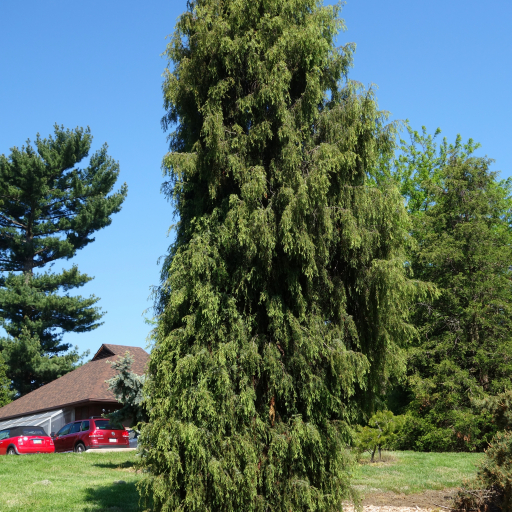
Plant Overview
The Formosan Juniper, often called the "Prickly Cypress," is a masterpiece of high-altitude elegance. Native to the misty mountains of Taiwan and parts of China, this evergreen is famous for its graceful, weeping branches that seem to drape like velvet over rocky cliffs. It is a tree of endurance, known to live for centuries while maintaining a rugged, twisted silhouette that captures the essence of wild nature.
🔍 How to Identify
- 📌 Needle Texture: The foliage consists of stiff, sharp needles arranged in whorls of three. They are notably "prickly" to the touch compared to other juniper varieties.
- ⚪ Stomatal Bands: If you look closely at the upper surface of a needle, you will see two distinct white lines separated by a green mid-vein, giving the foliage a silvery shimmer.
- 🏀 Seed Cones: It produces small, berry-like cones that transition from green to a deep reddish-brown or orange-yellow as they ripen over two years.
🏡 In Your Garden
- ⛰️ Drainage is Key: Because this species evolved on rocky mountain slopes, it has zero tolerance for "wet feet." It requires extremely well-draining soil; if planted in heavy clay, its roots will quickly fail.
- ✂️ The Bonsai Favorite: Due to its slow growth rate and the way its trunk naturally twists and weathers, it is one of the most coveted species for bonsai enthusiasts looking to create "literati" or "cascading" styles.
- ☀️ Sun & Air: It thrives in full sun and appreciates good air circulation. In stagnant, humid environments, it can become susceptible to fungal blights, so give it plenty of breathing room.
⚠️ Safety & Toxicity
- 🖐️ Skin Irritation: The sharp needles can cause minor scratches or "juniper dermatitis"—a red, itchy rash—in sensitive individuals. Always wear gloves when pruning or styling this plant.
- 🐾 Pet Safety: Like most junipers, the foliage and berries contain volatile oils that can cause digestive upset, vomiting, or lethargy if ingested by curious cats or dogs.
✨ Fun Fact
The wood of the Formosan Juniper is incredibly aromatic and decay-resistant. For centuries, it has been harvested to create high-quality incense and specialty furniture, as its sweet, resinous scent is said to linger in a room for decades after the wood has been carved.

Detailed Care Instructions
| Humidity | Normal |
| Lighting | Full Sun |
| Difficulty | Medium |
| Hibernation | Cold Period |
| Temperature | 16°C - 26°C |
| Hardiness Zones | 3 - 6 |
To grow Juniperus Formosana (Formosan juniper) plant, follow these steps:
- Choose the right location: Juniperus Formosana thrives in well-drained soil and full sun exposure. Select a location with good air circulation and ample sunlight.
- Prepare the soil: Amend the soil with organic matter such as compost or well-rotted manure to improve drainage and nutrition. Remove any weeds or grass from the planting area.
- Planting time: The best time to plant Juniperus Formosana is in early spring or early fall. This allows the plant to establish its root system before the extreme heat of summer or the cold of winter.
- Dig a planting hole: Dig a hole that is slightly wider and deeper than the plant's root ball. Gently loosen the roots before placing the plant in the hole.
- Plant the Juniperus Formosana: Place the plant in the hole, making sure it is at the same depth as it was in the nursery container. Backfill the hole with soil, firming it gently around the roots.
- Watering: Water the newly planted Juniperus Formosana thoroughly and deeply immediately after planting. Continue to water regularly for the first few months until the plant becomes established. Afterward, water only during dry periods.
- Mulching: Apply a layer of organic mulch around the base of the plant. This helps retain moisture, prevents weeds, and regulates soil temperature.
- Pruning: Juniperus Formosana generally requires minimal pruning. However, you can shape and remove dead or damaged branches as needed. Prune during the dormant season, preferably in late winter or early spring.
- Fertilizing: Juniperus Formosana is generally low-maintenance, but you can apply a slow-release, balanced fertilizer in early spring to provide necessary nutrients.
- Pest and disease control: Juniperus Formosana is generally resistant to most pests and diseases. However, monitor the plant regularly for signs of common juniper issues, such as juniper blight or spider mites. Treat promptly if any symptoms appear.
By following these steps, you can successfully grow your Juniperus Formosana plant and enjoy its beauty in your garden.

Place in a bright room that is sun drenched almost all day. Or directly in a south-facing window.

The watering requirements for this plant vary depending on several factors, including the soil type, humidity, temperature, and the age of the plant. As a general rule, it is important to keep the soil moist but not waterlogged. Avoid letting the soil dry out completely, as this can cause the plant's roots to become damaged.
Watering should be done deeply and infrequently to encourage deep root growth and drought resistance. This can be achieved by using a hose or watering can to water the base of the plant until the soil is thoroughly saturated. Do not water the foliage, as this can promote fungal growth and disease.
During the growing season (typically spring and summer), the plant may require more frequent watering, especially during periods of high heat or drought. In contrast, during the dormant season (fall and winter), the plant's water requirements will likely decrease.
It is important to monitor the plant's soil moisture levels regularly, especially during periods of extreme weather or environmental changes. If the soil feels dry to the touch, water the plant. If the soil feels moist, wait a few days before checking again. Overwatering can lead to root rot, so take care not to water the plant excessively.
To fertilize your plant, apply a balanced, slow-release fertilizer in early spring, before new growth begins. Use a fertilizer with equal parts nitrogen, phosphorus, and potassium. Apply the fertilizer according to the manufacturer's instructions and water thoroughly after application. Avoid fertilizing in the fall or winter as the plant is dormant during this time.
Juniperus Formosana is a type of plant that requires well-draining soil. You should use soil that has good drainage and contains a mix of sandy, loamy, and clay soils. The soil should also have a pH level of 6.0-7.5, which is slightly acidic to neutral. It's recommended to fertilize the soil with a slow-release granular fertilizer that is specific to evergreen trees and shrubs. Juniperus Formosana plants should be grown in full sun to partial shade.
To propagate this plant, take a cutting of a healthy stem that is at least 4-6 inches long. Remove the leaves from the lower 2-3 inches of the stem. Dip the cut end of the stem in rooting hormone powder and plant it in a pot filled with a well-draining soil mix.
Water the cutting thoroughly and cover the pot with a plastic bag to create a humid environment. Keep the soil moist but not waterlogged and place the pot in a bright, indirect light. After a few weeks, new growth should appear, indicating that roots have formed.
Once the new plant is established with roots and new growth, it can be transplanted into a larger pot or into the ground.








