Plant Overview
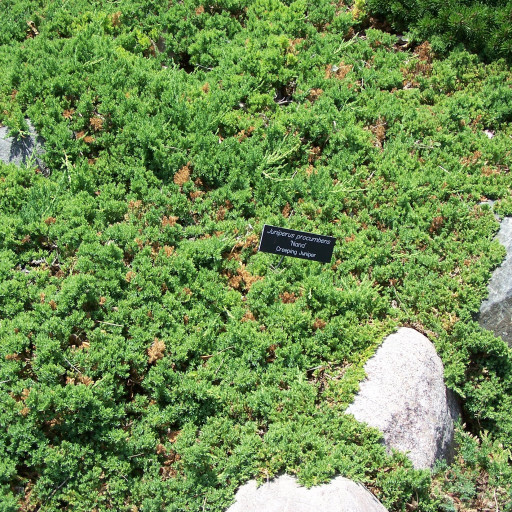
Often called the "Green Mound" or "Creeping Juniper," this Japanese native is perhaps the most iconic entry point into the world of bonsai. While it naturally hugs the ground like a lush, prickly carpet in its native coastal habitats, it has captured the hearts of gardeners worldwide for its rugged resilience and timeless, "ancient" aesthetic.
🔍 How to Identify
- 🌿 Growth Habit: It is a "procumbent" shrub, meaning it trails along the ground rather than growing upright, rarely reaching more than a foot in height but spreading several feet wide.
- 📌 Needle Texture: The foliage consists of stiff, sharp, needle-like leaves (juvenile foliage) that grow in tight clusters, giving it a dense and prickly feel.
- 🎨 Color Palette: It displays a beautiful glaucous (bluish-green) hue, which often transitions into a slight purplish-bronze tint during the coldest months of winter.
🏡 In Your Garden
- ☀️ Sun Seeker: This juniper is a dedicated sun-worshipper. To maintain its dense growth and vibrant color, it needs as much direct light as possible; in shade, it becomes "leggy" and sparse.
- 💧 The Drainage Secret: Its biggest enemy is "wet feet." Whether in a pot or the ground, it requires gritty, sharp-draining soil. It would much rather be a little thirsty than sit in stagnant water, which quickly leads to root rot.
- ✂️ Structural Versatility: Because it grows slowly and responds exceptionally well to pruning, it is the gold standard for "Mame" and "Shohin" bonsai styles, mimicking the look of a wind-swept mountain tree.
⚠️ Safety & Toxicity
- 🐾 Mildly Toxic: The plant contains essential oils and compounds that can cause stomach upset, vomiting, or diarrhea in dogs, cats, and horses if consumed in large quantities.
- 🧤 Skin Irritation: The sharp, prickly needles can cause "juniper dermatitis"—a mild skin rash or itchiness—in sensitive individuals. It is always wise to wear gardening gloves when pruning or transplanting.
✨ Fun Fact
The Juniperus procumbens 'Nana' gained massive pop-culture fame in the 1980s. It was the specific variety of bonsai tree featured in the original The Karate Kid movie, symbolizing patience and inner peace!

Detailed Care Instructions
| Lighting | Full Sun |
| Hardiness Zones | Min 4B |
To grow a Juniperus Procumbens plant, you can follow these steps:
- Purchase a healthy Juniperus Procumbens plant from a local nursery or online store. Make sure it is well-rooted and has no signs of disease or pests.
- Choose an appropriate planting location. Juniperus Procumbens prefers full sun to partial shade and well-drained soil. It is also drought-tolerant and can withstand a wide range of soil pH.
- Dig a hole in the planting area that is slightly larger than the root ball of the plant. Make sure the hole is deep enough to accommodate the root system.
- Gently remove the plant from its container and loosen the roots. Place the plant in the hole, ensuring that it sits at the same depth it was previously growing.
- Backfill the hole with soil, gently tamping it down around the plant to remove any air pockets. Water the plant thoroughly to help settle the soil.
- Water the Juniperus Procumbens regularly, especially during its first year of growth. However, be careful not to overwater as this plant prefers slightly drier conditions.
- Mulch the base of the plant with a layer of organic mulch, such as wood chips or pine straw. This will help retain moisture and keep the soil cool.
- Prune the Juniperus Procumbens as needed to maintain its shape and size. This plant responds well to pruning and can be shaped into various forms, including bonsai trees.
- Monitor the plant regularly for any signs of disease or pests. If you notice any issues, take appropriate action to remedy the problem, such as using insecticides or fungicides if necessary.
- Fertilize the Juniperus Procumbens once a year in early spring with a balanced, slow-release fertilizer specifically formulated for evergreen plants.
By following these steps and providing proper care, your Juniperus Procumbens plant will grow and thrive.

Place in a window with dappled sun or a spot in the middle of a room. Or directly in a window facing west or east.

Juniperus Procumbens is a type of shrub that requires proper watering to thrive. Before watering, it is important to check the soil moisture level. This can be done by touching the soil with your fingers or using a moisture meter.
When watering, it is important to saturate the soil around the plant until the water starts to drain out of the bottom of the pot or soil. This ensures that the plant's roots receive enough water. However, overwatering should be avoided as it can lead to root rot and other diseases.
The watering frequency depends on the plant's environment and the season. During the growing season, which usually starts in spring and ends in fall, the plant needs more frequent watering as it uses more water to grow. In contrast, during the dormant season in winter, watering should be reduced to prevent waterlogged soil.
It is important to use room temperature water when watering the plant. Cold water can shock the plants' roots and cause damage. Additionally, it is recommended to water the plant in the morning or evening when the temperature is cooler to prevent evaporation.
Overall, providing Juniperus Procumbens with proper watering is crucial for its growth and survival.
- Choose an appropriate fertilizer for evergreen plants.
- Apply the fertilizer during the growing season, typically from late spring to early fall.
- Dilute the fertilizer to half the recommended strength.
- Apply the fertilizer evenly around the base of the plant.
- Do not allow any fertilizer to come into contact with the foliage or stem.
- Water the plant thoroughly after fertilizing.
- Repeat the fertilization process every two to three months.
Juniperus Procumbens is a type of plant that prefers well-draining soils that are not waterlogged. It is usually best to use a slightly acidic soil with a pH of between 5.5 and 6.5, as this will provide the ideal growing conditions for the plant.
Organic matter is important, and soil with good levels of organic matter will help to promote healthy growth and ensure that the plant receives the nutrients that it needs. Juniperus Procumbens does not like soils that are too heavy or too light; a mix of sandy and loamy soils will work best.
When potting or planting Juniperus Procumbens, ensure that the soil is loose and airy and that there are no large stones or clumps that can impede the plant's growth. Additionally, it is crucial to ensure that the soil surrounding the roots is firm once planted, which will help the plant to stay upright and not topple over.
Overall, Juniperus Procumbens grows best in well-draining soils that are slightly acidic, has good levels of organic matter, and are not too heavy or too light for the plant's needs.
The propagation of a certain plant species involves several steps to produce new plants in the easiest and most effective way possible. In this case, propagation of a specific plant called Juniperus Procumbens can be done through several methods.
First, one can propagate this plant through stem cuttings. Carefully snip a stem from the plant with a sharp, clean tool and make sure the stem cutting is roughly 3 inches in length. Next, remove the bottom leaves and dip the base of the cutting in rooting hormone powder, then plant the cutting in moist soil. Water the cutting regularly, and after a few weeks, the plant will begin to develop roots.
Another way to propagate this plant involves layering. Choose a healthy, low-hanging stem and bend it gently towards the ground. With care, scrape away the bark from the stem and cover with moist soil or sphagnum moss, making sure to provide constant moisture. After a few weeks, roots should form and new plants can be separated and transplanted.
Finally, the plant can also be propagated through seed germination. Harvesting seeds from a healthy juniper plant, soak them in water for a day or two, then plant them in light, well-draining soil. Place the pot in a warm, sunny spot and keep the soil moist. After some weeks or months, the seeds should begin to germinate and produce new juniper plants.








