Plant Overview
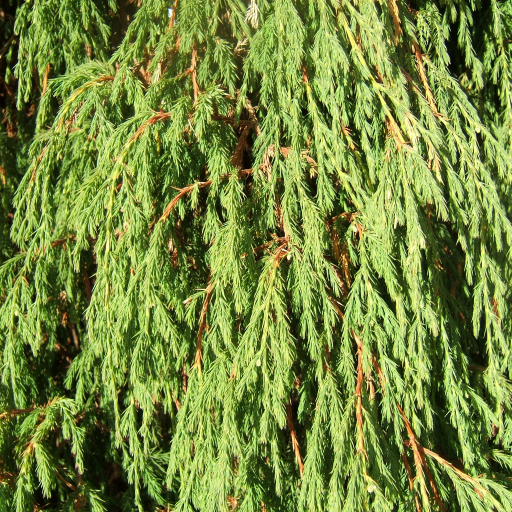
Known as the Himalayan Weeping Juniper, this elegant evergreen seems to bow gracefully under the weight of its own history. Native to the mist-shrouded slopes of the Himalayas, it brings a sense of ancient serenity to any landscape with its characteristic drooping branches and fragrant, silvery-green foliage.
🔍 How to Identify
- 🌿 Branching Pattern: Unlike upright junipers, its secondary branches hang vertically (recurved), giving the tree its signature "weeping" or "melancholy" silhouette.
- 🌲 Foliage Style: It features small, sharp, needle-like leaves (awls) arranged in overlapping groups of three. The needles often have a dull, grayish-green hue with two white bands on the inner surface.
- 🫐 Seed Cones: It produces small, oval, berry-like cones that are initially green but ripen into a lustrous brownish-black color over the course of a year.
🏡 In Your Garden
- ⛰️ Mountain Heritage: Because it hails from high altitudes, it is incredibly hardy against cold and wind. However, it absolutely requires "sharp" drainage; it will quickly develop root rot if the soil stays waterlogged or heavy with clay.
- 🧘 Patience is Key: This is a slow-growing species that values stability. It hates being transplanted due to its sensitive root structure, so choose its "forever home" in your garden carefully to let it reach its majestic potential.
⚠️ Safety & Toxicity
- 🐾 Mildly Toxic: The berries and needles contain essential oils (like thujone) that can cause stomach upset, vomiting, or diarrhea if ingested by pets or curious children.
- 🧤 Skin Sensitivity: Touching the prickly foliage or the sticky sap can cause "juniper dermatitis"—a red, itchy rash. It is always wise to wear long sleeves and gloves when pruning this beauty.
✨ Fun Fact
In many Himalayan cultures, particularly in Tibet and Nepal, the fragrant wood and foliage of Juniperus recurva are dried and burned as high-quality incense in monasteries to purify the air and aid in deep meditation.

Detailed Care Instructions
Here are some steps you can take to grow a Juniperus Recurva plant:
- Choose the right location: Juniperus Recurva plants prefer full sun exposure, so choose a location in your garden where it will receive at least 6 hours of sunlight per day.
- Prepare the soil: Ensure that the soil is well-draining and has good fertility. You can improve soil drainage by adding organic matter such as compost or well-rotted manure.
- Planting: Dig a hole slightly larger than the root ball of the Juniperus Recurva plant. Gently place the plant in the hole, making sure that the top of the root ball is level with the soil surface. Fill the hole with soil, firming it gently around the roots.
- Watering: Water the plant thoroughly after planting to settle the soil and help the roots establish. Afterward, water the plant regularly, especially during dry periods. However, ensure not to overwater, as Juniperus Recurva plants do not tolerate excessive moisture.
- Mulching: Adding a layer of mulch around the base of the plant can help conserve moisture, suppress weeds, and regulate soil temperature.
- Pruning and maintenance: Juniperus Recurva plants generally require minimal pruning. However, you can prune away any dead or damaged branches to maintain the plant's health and shape. Prune in early spring if necessary.
- Fertilizing: If the soil lacks fertility, you can apply a slow-release balanced fertilizer in early spring. Follow the manufacturer's instructions for application rates.
- Pests and diseases: Juniperus Recurva plants are relatively pest and disease resistant. However, keep an eye out for common issues like aphids, spider mites, and bagworms. If detected, treat them with appropriate insecticidal sprays or consult a local garden center for advice.
Remember to familiarize yourself with the specific needs and growth habits of Juniperus Recurva plants to ensure their successful growth and development.

Place in a window with dappled sun or a spot in the middle of a room. Or directly in a window facing west or east.

To water this plant, it is important to first assess the soil moisture level by sticking your finger or a moistened stick about an inch deep into the soil. If the soil feels dry, it is time to water. However, if it feels moist, wait a few days before watering again.
When watering, use room temperature water and pour it slowly and evenly over the soil until it starts draining from the bottom. Avoid getting water on the leaves and branches as it can cause fungal diseases.
In general, this plant prefers a well-draining soil that is slightly dry between waterings. Overwatering can lead to root rot and other issues, while underwatering can cause the leaves to turn brown and brittle.
It is also important to consider the environment when watering. For example, in hot or dry weather, the plant may need more frequent watering, while in cooler or humid conditions, less water may be necessary.
Overall, a balanced approach to watering and monitoring soil moisture levels is key to keeping this plant healthy and thriving.
To fertilize this plant, apply a slow-release fertilizer in the early spring before new growth appears. Use a balanced fertilizer with equal parts nitrogen, phosphorus, and potassium. Apply the fertilizer evenly around the drip line of the plant, avoiding direct contact with the foliage or stems. Water thoroughly after fertilizing to ensure the nutrients reach the roots. Do not fertilize in the fall or winter as this can stimulate new growth that may be damaged by cold temperatures.
Juniperus Recurva plant requires well-draining soil with good aeration. The soil should be loamy and have moderate fertility, with a pH range of 5.0 to 7.5. It is best to avoid heavy, clayey soil as this can cause waterlogging and root rot. A mix of sandy loam, peat moss or leaf mold, and perlite or coarse sand can be used for planting and potting. Organic matter such as compost or aged manure can also be added to the soil. It is important to ensure that the soil is not too compacted, and that there is sufficient drainage for the plant to thrive.
To begin propagating this plant, first select a stem cutting from a healthy parent plant. The cutting should have at least two sets of healthy leaves present.
Next, remove the lower set of leaves from the stem cutting, leaving only the top set of leaves. This will help prevent the cutting from losing too much moisture and improve the chances of successful rooting.
Then, dip the bottom of the stem cutting in rooting hormone powder, tapping off any excess.
Prepare a pot of well-draining soil, and make a hole in the center of the soil with a pencil or other thin object. Place the stem cutting into the hole and gently pack the soil around the stem to secure it in place.
Water the cutting thoroughly and place it in a warm, bright location with indirect sunlight. Mist the cutting lightly every day or two to maintain humidity around the plant.
After a few weeks, roots should begin to form, which can be tested by gently tugging on the plant. If it resists, roots have formed and the cutting can be considered established. At this point, it can be transferred to a larger pot or planted outdoors in an appropriate location.








