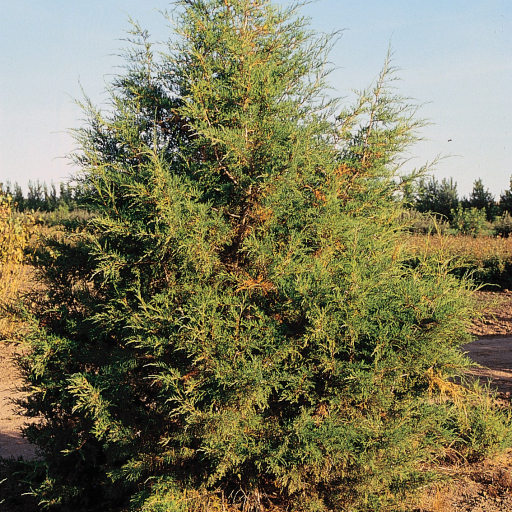
Plant Overview
Often called the "Rocky Mountain Juniper," this rugged evergreen is a shimmering symbol of the American West. Known for its striking silvery-blue foliage and its ability to thrive in the harshest cliffside conditions, it brings a sense of ancient, wind-swept majesty to any landscape. In the wild, these survivors are known to live for over 1,500 years, standing as silent witnesses to centuries of history.
🔍 How to Identify
- ❄️ Foliage Color: The leaves are typically a distinct scale-like texture, ranging from a deep forest green to a brilliant, waxy sky-blue that looks frosted in the sunlight.
- 🫐 Blue "Berries": Technically modified cones, these small, pea-sized fruits are a dusty, dark blue and often stay on the tree year-round, providing a beautiful winter contrast.
- Shredding Bark:** The trunk features reddish-brown or ashy-gray bark that peels away in long, fibrous strips, giving older trees a "shaggy" and weathered appearance.
🏡 In Your Garden
- ☀️ Sun-Seeker: This juniper is a true child of the sun; it requires bright, direct light to maintain its dense shape. In shade, the branches become "leggy" and lose their signature blue tint.
- 💨 Space and Airflow: It is highly resistant to drought and wind, but it dislikes "wet feet." Ensure your soil drains rapidly, and avoid planting it near apple or hawthorn trees, as it can host a fungus called cedar-apple rust that jumps between the two species.
⚠️ Safety & Toxicity
- 🐾 Mildly Toxic: While the berries are famous for flavoring gin, the raw berries and needles of Juniperus scopulorum contain oils that can cause stomach upset in pets and humans if consumed in large quantities.
- 🧤 Skin Sensitivity: Some gardeners experience "juniper itch" or mild skin irritation when pruning the branches. It is always a good idea to wear long sleeves and gloves when handling the foliage.
✨ Fun Fact
The wood of the Rocky Mountain Juniper is incredibly aromatic and rot-resistant. Because of this, it was traditionally used by Indigenous peoples to create ceremonial flutes and sturdy bows, and its scent is still prized today for its ability to naturally repel moths.

Detailed Care Instructions
| Color | No Flower But Shows Blue To Purple Berry Like Cones |
| Soil Ph | Neutral |
| Toxicity | Non-Toxic |
| Soil Type | Sandy, Gravelly, Loose Rock |
| Bloom Time | No Bloom |
| Plant Type | Tree, Shrub |
| Mature Size | 3- To 30 Ft. Tall, Spread Of 3-15 Ft |
| Native Area | Western North America From Texas To British Columbia |
| Sun Exposure | Sun To Part Shade |
| Hardiness Zones | 4-9 |
To successfully grow Juniperus scopulorum (Rocky Mountain Juniper), consider the following steps:
- Climate and location: Ensure that your climate and location are suitable for growing this plant. Rocky Mountain Juniper prefers full sun and thrives in USDA hardiness zones 3 to 7. It can tolerate a wide range of soils, including rocky, sandy, and clayey soils.
- Soil preparation: Prepare the soil before planting. Junipers prefer well-draining soils, so amend heavy clay soils with organic matter like compost or peat moss to improve drainage. Ensure the soil pH is in the range of 6.0 to 7.5.
- Planting: Choose a healthy nursery-bought Juniperus scopulorum sapling with a good root system. Dig a hole slightly larger than the root ball and place the sapling, ensuring the top of the root ball is level with the surrounding soil. Fill the hole with soil, gently tamping it down around the roots. Water thoroughly after planting.
- Watering: Regularly water the plant during the first year or until it becomes established. Junipers are generally drought-tolerant once rooted but require consistent moisture during the early stages of growth. Water deeply but infrequently, allowing the soil to dry out between waterings.
- Mulching: Apply a layer of organic mulch around the base of the plant to retain soil moisture, suppress weeds, and regulate soil temperature. Avoid piling mulch directly against the trunk, as it can cause rotting.
- Pruning and shaping: Juniperus scopulorum is naturally irregular in shape but can be pruned and shaped if desired. Pruning should be done in late winter or early spring before new growth starts. Remove any dead, diseased, or crossing branches. Trim back excessive growth to maintain the desired shape.
- Fertilizing: Rocky Mountain Juniper generally doesn't require heavy fertilization. However, a balanced slow-release fertilizer, applied in early spring or late fall, can help promote healthy growth. Follow the manufacturer's instructions for proper dosage.
- Pests and diseases: Monitor your Juniperus scopulorum for pests like spider mites, aphids, or bagworms. Prune and destroy any infested branches to prevent the spread. Keep the plant properly spaced and well-ventilated to minimize disease issues like cedar-apple rust or twig blight.
- Winter protection: In colder regions, protect young Junipers from winter sunburn and desiccation by placing burlap screens or wraps around them. This helps shield against cold, drying winds.
- Regular maintenance: Regularly inspect the plant for signs of stress, disease, or pest infestation. Remove any dead or damaged branches promptly.
Remember that Juniperus scopulorum is slow-growing, so be patient when waiting for it to reach its full potential.

Place in a window with dappled sun or a spot in the middle of a room. Or directly in a window facing west or east.

1. Determine the watering frequency: The watering frequency for Juniperus Scopulorum plant will depend on various factors such as climate, soil moisture, sunlight exposure, and plant growth cycle. The plant typically needs water when the top 1-2 inches of soil feels dry to the touch.
2. Water the plant deeply: Juniperus Scopulorum plant prefers deep watering rather than frequent shallow watering. Water the plant until the soil is moistened to a depth of at least 6 inches. This will encourage the plant to grow deep roots which can help it to withstand drought.
3. Water at the base of the plant: Water the Juniperus Scopulorum plant at the base and avoid watering the foliage. This will help to prevent fungal diseases and ensure that the plant receives adequate water.
4. Use a watering can or drip irrigation: A watering can or drip irrigation system can be used to water the Juniperus Scopulorum plant. These methods will allow you to regulate the amount of water and avoid overwatering.
5. Water in the morning: Watering Juniperus Scopulorum plant in the morning will allow the plant to absorb moisture before the heat of the day. This will also help to prevent fungal diseases from developing on the foliage.
6. Mulch the soil: Applying a layer of mulch to the soil around the Juniperus Scopulorum plant can help to retain soil moisture and regulate soil temperature. Mulch can also help to suppress weed growth and enhance soil fertility.
For best results, apply a slow-release, balanced fertilizer in early spring and again in late summer. Use a fertilizer specifically designed for conifers and follow the instructions on the package for application rates. Be sure to water the plant thoroughly after fertilizing to help distribute the nutrients. Avoid fertilizing in winter or during periods of drought as it can cause stress on the plant.
The recommended soil for the plant not to be named should be well-draining and rich in nutrients. The soil pH should be between slightly acidic to neutral, with a range of 6.0 to 7.5. It is important to avoid heavy clay soils or soils that are too compacted, as this can lead to poor drainage and ultimately root rot. A good soil mix for this plant would consist of coarse sand, perlite, and organic matter such as compost or peat moss. Additionally, adding a slow-release fertilizer specific for evergreen trees can provide the necessary nutrients for healthy growth.
To propagate this plant, you will need to select healthy cuttings from the parent plant, preferably in the spring or early summer when the new growth is soft and pliable. Cuttings should ideally be around 4-6 inches long and taken from the current year's growth.
Remove any lower leaves or needle clusters from the cutting, leaving only a few clusters at the top for photosynthesis. Dip the cut end of the cutting in rooting hormone powder to stimulate root growth, then plant it in a container filled with a well-draining potting mix.
Water the cutting thoroughly and cover it with a clear plastic bag to create a humid environment. Place the container in a bright, indirect light location.
Check the cutting periodically to make sure the soil remains moist but not waterlogged. After several weeks, gently tug on the cutting to check if it has rooted. If you feel resistance, it has likely taken root.
Once the cutting has established roots, gradually expose it to more sunlight and move it to a larger pot or transplant it into a well-draining outdoor location. Monitor the plant closely for the first few weeks to ensure it is adjusting well to its new environment.








