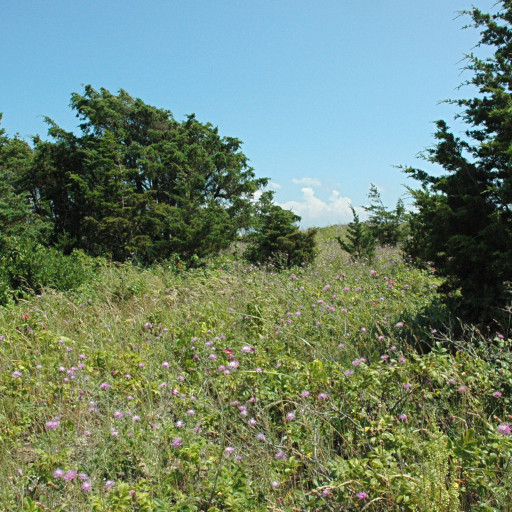
Plant Overview
The Eastern Red Cedar is a resilient "pioneer" tree that has stood guard over North American landscapes for centuries. Despite its common name, it is actually a member of the Juniper family, beloved for its fragrant, rot-resistant heartwood and its ability to thrive where other trees give up. In many indigenous cultures, it is considered a sacred tree of life, symbolizing protection, cleansing, and longevity.
🔍 How to Identify
- 🌿 Leaf Duality: It features two distinct types of foliage; young trees have sharp, prickly needles, while mature branches develop soft, scale-like leaves that overlap like shingles.
- 🫐 Blue "Berries": These are actually tiny, fleshy cones. They have a dusty, waxy coating and are a vital winter food source for many bird species.
- 📜 Shredding Bark: The trunk is wrapped in thin, fibrous, reddish-brown bark that peels away in long, vertical strips, often used by small mammals for nesting material.
🏡 In Your Garden
- 🏗️ The Ultimate Survivor: This tree loves "difficult" spots. It is exceptionally drought-tolerant and thrives in thin, rocky soil or limestone glades, making it a perfect choice for privacy screens or windbreaks in harsh climates.
- 🍎 The Apple Connection: Gardeners should be aware of "Cedar-Apple Rust." This juniper acts as an alternate host for a fungus that affects apple trees. If you have an orchard nearby, you might notice strange, orange gelatinous "horns" appearing on the juniper branches after a heavy spring rain.
⚠️ Safety & Toxicity
- 🐾 Mild Toxicity: While the "berries" are used sparingly as a spice in some cultures, they contain oils that can cause digestive upset in humans, dogs, and cats if consumed in large quantities.
- 🤧 Allergy Warning: This species is a heavy pollen producer. During late winter and early spring, male trees release clouds of yellow dust that are a primary cause of "cedar fever" for hay fever sufferers.
✨ Fun Fact
- ✏️ The Original Pencil: Because the wood is soft, straight-grained, and does not splinter, the Eastern Red Cedar was the primary wood used for the American pencil industry for over a century before manufacturers switched to Incense Cedar.

Detailed Care Instructions
| Color | No Flower But Shows Blue To Purple Berry Like Cones |
| Soil Ph | Neutral |
| Humidity | Normal |
| Lighting | Full Sun |
| Toxicity | Non-Toxic |
| Soil Type | Sandy, Gravelly, Loose Rock |
| Difficulty | Medium |
| Plant Type | Tree, Shrub |
| Hibernation | Cold Period |
| Mature Size | 30 To 40 Feet Tall; Occasionally To 65 Feet |
| Native Area | Eastern North America |
| Sun Exposure | Full Sun |
| Hardiness Zones | 2-9 |
To grow Juniperus virginiana, also known as Eastern red cedar or redcedar, follow these steps:
- Choose the right location: Juniperus virginiana prefers full sun to partial shade. It can adapt to various soil types, but it prefers well-drained soil. Make sure the location has enough space for the tree to grow as it can reach a height of 40-50 feet and spread up to 20-30 feet.
- Prepare the soil: Before planting, prepare the soil by removing any weeds or grass. Loosen the soil and amend it with organic matter, such as compost, to improve drainage and nutrient content.
- Planting: Dig a hole that is deep and wide enough to accommodate the root ball of the young tree. Place the tree into the hole, making sure it is planted at the same depth it was in the nursery container. Backfill the hole with soil, gently firming it around the roots to eliminate air pockets.
- Watering: After planting, water the tree thoroughly to help it establish its roots. Juniperus virginiana is drought-tolerant once established but will benefit from regular watering, especially during dry periods, for the first couple of years.
- Mulching: Apply a layer of organic mulch, such as wood chips or bark, around the base of the tree. Mulch helps to retain moisture, suppress weeds, and regulate soil temperature. Keep the mulch a few inches away from the trunk to prevent rot.
- Pruning: Prune the tree only as needed to maintain its shape or remove any dead or diseased branches. Juniperus virginiana can have a naturally attractive growth habit, so minimal pruning is usually required.
- Fertilizing: In most cases, Juniperus virginiana does not require regular fertilization. However, if the tree appears pale or lacks growth, you can apply a balanced slow-release fertilizer in early spring.
- Pest and disease control: Juniperus virginiana is relatively resistant to pests and diseases. However, it can occasionally be affected by certain issues such as bagworms or cedar-apple rust. Monitor your tree regularly and treat any infestations or diseases accordingly.
- Maintenance: Regularly check the tree for any signs of stress, damage, or changes in growth. Water the tree during dry spells and provide protection from extreme weather conditions, such as strong winds or heavy snow.
By following these steps, you can successfully grow and maintain Juniperus virginiana plants in your garden or landscape.

Place in a window with dappled sun or a spot in the middle of a room. Or directly in a window facing west or east.

The best way to water this plant is to give it a deep watering each time, rather than frequent light watering. Make sure the soil is moderately moist but not waterlogged. Allow the top layer of soil to dry out slightly before watering again. Avoid getting water on the foliage or needles as this can encourage disease and mold. If using a watering can or hose, direct water towards the base of the plant, and water slowly to allow the soil to absorb the water. During dry spells or hot weather, you may need to water more frequently, but always check the soil moisture level before watering.
- Choose a balanced fertilizer with an NPK ratio of 10-10-10 or similar.
- Apply the fertilizer in early spring before new growth appears.
- Spread the fertilizer evenly around the base of the plant, avoiding direct contact with the trunk.
- Water the plant thoroughly after fertilizing to help distribute the nutrients evenly.
- Repeat the fertilization process once per year in the following spring season.
Juniperus Virginiana plant requires well-draining soil with a pH range of 6.0 to 7.5. The soil should be rich in organic matter and have good structure to allow air circulation and root growth. It is recommended to use a soil mix that contains equal parts of sand, loam, and peat moss. The sand improves drainage, the loam provides nutrients, and the peat moss helps to retain moisture. Avoid using heavy clay soils as they tend to retain water and can cause root rot. Additionally, Juniperus Virginiana plants are tolerant of poor soils and can grow in rocky or sandy soils as well.
To propagate this plant, you will need to take hardwood cuttings in late fall or winter. Select a healthy branch that is about 1/4 to 1/2 inch in diameter and cut it into 6- to 8-inch sections. Remove any needles from the bottom 2 inches of the cutting, and use a rooting hormone on the cut end. Plant the cutting in a well-drained soil mixture and keep it moist but not waterlogged. Place the cutting in a protected area, such as a greenhouse or under a plastic bag, and keep the temperature around 70°F. The cutting should root within 8 to 10 weeks, and can be transplanted into a permanent location in the spring.








