Plant Overview
Often called Lemmon’s Beardtongue, this rugged Californian native is a "tough-as-nails" shrubby perennial that thrives where other plants struggle. Named after the famed botanist and Civil War survivor John Gill Lemmon, it is a master of the dry, rocky slopes of the Sierra Nevada. While it lacks the flashy neon colors of garden-center hybrids, its understated, earthy elegance makes it a favorite for native plant enthusiasts.
🔍 How to Identify
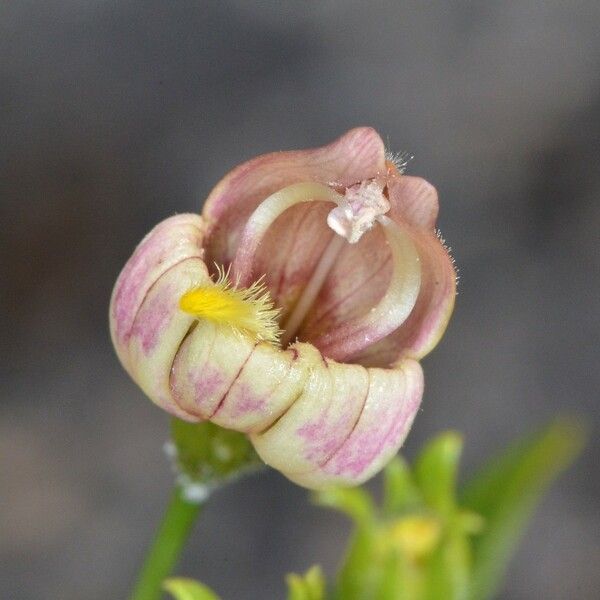
- 🌸 The Flowers: Look for tubular, two-lipped blossoms that appear in shades of dull yellow, brownish-purple, or pale pink. The upper lip is hooded, while the lower lip is deeply lobed and often reflexed.
- 🍃 The Foliage: Unlike many delicate wildflowers, this plant has a woody base. Its leaves are lance-shaped, arranged oppositely along the stem, and usually feature sharply "toothed" or serrated edges.
- 🧔 The "Beard": If you look closely inside the flower, you’ll find a sterile stamen (staminode) covered in fine, golden hairs, giving it that classic "beardtongue" appearance.
🏡 In Your Garden
- 🏜️ Drainage is King: In a garden setting, Lemmon’s Beardtongue is a "set it and forget it" plant, provided your soil isn't heavy clay. It evolved on steep, rocky inclines, so it essentially demands "perfect drainage" to prevent root rot during winter.
- 🐝 Pollinator Magnet: While the colors are subtle to human eyes, they are beacons for hummingbirds and long-tongued bees. It’s an excellent choice for a habitat garden meant to support local biodiversity with minimal water input.
⚠️ Safety & Toxicity
- ✅ Status: Generally Non-Toxic.
- 🐾 Details: There are no known reports of Keckiella lemmonii being poisonous to humans, dogs, or cats. However, as it is a wild-type subshrub, it is not meant for consumption and could cause mild digestive upset if a curious pet decides to graze on the woody stems.
✨ Fun Fact
The genus Keckiella was created to distinguish these "woody beardtongues" from the more common Penstemon. The primary difference is their growth habit: Keckiella forms a true woody skeleton that stays above ground year-round, whereas most Penstemons are softer-stemmed herbs.

Detailed Care Instructions
To grow Keckiella lemmonii (Lemmon's bush) plant, follow these steps:
- Start with seeds or young plants: You can obtain Keckiella lemmonii seeds from nurseries or online suppliers. Alternatively, you can purchase young plants that are ready to be planted.
- Choose the right location: Keckiella lemmonii thrives in full sun or partial shade. Ensure that the location receives at least 6 hours of direct sunlight each day.
- Prepare the soil: Keckiella lemmonii prefers well-draining soil with a pH level ranging from slightly acidic to slightly alkaline. Amend the soil with organic matter, such as compost or aged manure, to improve drainage and fertility.
- Planting: Dig a hole slightly larger than the plant's container. Place the plant in the hole, ensuring that the top of the root ball is level with or slightly above the soil surface. Backfill the hole with soil, gently firming it around the roots.
- Watering: Water the newly planted Keckiella lemmonii thoroughly to settle the soil around the roots. Maintain a regular watering schedule until the plant establishes itself, then reduce watering to once or twice a week. Allow the soil to dry out between waterings to prevent root rot.
- Mulching: Apply a layer of mulch, such as wood chips or straw, around the base of the plant. Mulching helps conserve moisture, suppresses weeds, and regulates soil temperature.
- Pruning: Keckiella lemmonii benefits from regular pruning to maintain its shape and promote bushier growth. Prune after flowering or in early spring by removing any dead, damaged, or overcrowded branches.
- Fertilizer: Keckiella lemmonii is generally low maintenance and does not require regular fertilization. However, you can apply a balanced slow-release fertilizer in early spring to give the plant a nutrient boost.
- Pest and disease control: Keckiella lemmonii is relatively resistant to pests and diseases. However, keep an eye out for common issues such as aphids, scale insects, or powdery mildew. Treat any problems as soon as they arise using appropriate organic pest control methods.
- Winter care: Keckiella lemmonii is hardy in USDA zones 8-10. In colder regions, protect the plant during winter by covering it with a layer of mulch or moving it to a sheltered location.
By following these steps, you can successfully grow Keckiella lemmonii and enjoy its beautiful flowers and aromatic leaves.

Place in a bright room that is sun drenched almost all day. Or directly in a south-facing window.

Keckiella Lemmonii plant requires regular watering to ensure it remains healthy and hydrated. To water this plant, it is essential to make sure the soil is slightly damp but not too wet to prevent root rot. The frequency of watering will depend on several factors such as the size of the plant, the type of soil, and the weather conditions in the area.
It is best to water Keckiella Lemmonii plant deeply, and this can be done by pouring enough water slowly into the soil to ensure it reaches the roots. Once the soil is moist, it is important to allow it to drain properly before adding more water. Overwatering can cause the soil to become soggy and lead to root rot, so it is important to avoid this.
Additionally, it is essential to avoid getting water on the plant's leaves and stem as this can lead to a fungal infection. It is best to water the plant at the soil level to ensure it receives the necessary moisture it requires. Lastly, during hot and dry weather conditions, the plant may require more frequent watering to prevent it from drying out.
To fertilize this plant, you should apply a balanced, slow-release fertilizer in the spring before new growth appears. Apply the fertilizer according to the manufacturer's instructions, being careful not to over-fertilize as this can burn the roots and damage the plant. You can also supplement the soil with compost or organic matter to improve soil fertility. During the growing season, you can apply a liquid fertilizer every 2-3 weeks to promote healthy growth and flowering. Always water the plant thoroughly before and after fertilizing to prevent fertilizer burn.
The Keckiella Lemmonii plant requires well-draining soil with a neutral to slightly acidic pH level. It can thrive in rocky, sandy soils and prefers dry to moderately moist conditions. A mix of sandy loam and peat moss can be used to provide the perfect soil environment. It is also important to ensure that the soil is aerated and allows for good water drainage, as the plant can become prone to root rot if overwatered. Organic matter can also be added to the soil to enhance its fertility and promote healthy growth.
To propagate this plant, start by selecting a healthy mature plant with strong stems and healthy leaves. Take cuttings of about 4-6 inches in length from the parent plant using a clean and sharp pair of pruning shears. Remove the lower leaves from the cuttings and dip the cut end in rooting hormone powder.
Prepare a potting mix using equal parts of peat moss and perlite and moisten it slightly. Make small holes in the soil using your finger and place the cuttings into the holes. Firmly press the soil around the base of the cutting to ensure it is secure.
Cover the pot with a plastic bag to create a humid environment and place it in a bright but indirect light location. Keep the soil moist but not wet by misting it occasionally. Within a few weeks, you should see new growth on the cuttings which indicates that they have rooted.
After the new growth has reached a minimum of 2-3 inches in height, you can transplant the new plants into their own separate pots with well-draining soil. Water regularly and provide bright but indirect sunlight to encourage healthy growth.








