Plant Overview
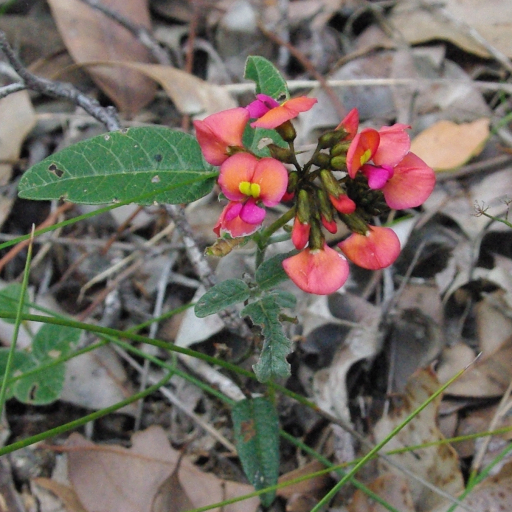
Often called the Coral Vine or Common Coral-pea, this Western Australian native is a show-stopping climber that brings a "wildfire" of color to any landscape. Known for its resilience and vigorous growth, it creates a lush tapestry of vibrant red and orange blooms that look like glowing embers against its dark foliage. In its homeland, it is a symbol of the rugged beauty found in the jarrah and karri forests.
🔍 How to Identify
- 🌸 The Flowers: Striking pea-shaped blooms that transition from scarlet to bright orange, usually featuring a distinct yellow "eye" at the center. They grow in radiant, circular clusters.
- 🍃 The Foliage: Rich green leaves arranged in groups of three (trifoliate). The leaflets are often crinkled and covered in fine, soft hairs that give them a slightly velvety texture.
- 🧗 Growth Habit: A versatile "scrambler" that can either carpet the ground as a thick mat or use its twining stems to scale fences and trellises up to 3 meters high.
🏡 In Your Garden
- 🌱 Root Sensitivity: Like many Australian legumes, the Coral Vine develops a deep taproot and does not like having its "toes" touched. It is best to plant it from a tube while young and avoid transplanting it once established.
- ☀️ Sun & Soil Nuance: It thrives in dappled sunlight or part-shade. While it is incredibly drought-tolerant, it requires "perfect" drainage; it will struggle in heavy clay soils that hold onto water during the winter months.
- 🦋 Pollinator Paradise: The nectar-heavy flowers act as a magnet for honeyeaters and butterflies, making it an essential addition for gardeners looking to support local biodiversity.
⚠️ Safety & Toxicity
- 🐾 General Status: Kennedia coccinea is generally considered non-toxic to humans and common household pets.
- 👶 Skin Sensitivity: While not poisonous, the fine hairs on the stems and leaves can occasionally cause mild mechanical skin irritation for people with very sensitive skin or for curious toddlers who might handle the plant roughly.
✨ Fun Fact
The seeds of the Coral Vine are "hard-seeded," meaning they have a protective armor. In the wild, they often lie dormant in the soil for decades, only germinating after the intense heat of a bushfire cracks the seed coat, allowing life to spring forth from the ashes.

Detailed Care Instructions
To grow a Kennedia coccinea plant, also known as the Coral Vine, you can follow these steps:
- Choose the right location: Kennedia coccinea prefers a full sun to partial shade location. Ensure that the area has well-draining soil.
- Prepare the soil: Before planting, prepare the soil by loosening it with a garden fork or tiller. Add organic matter like compost or well-rotted manure to improve drainage and provide nutrients.
- Sow seeds or plant young plants: Kennedia coccinea can be grown from seeds or small nursery plants. If using seeds, soak them in warm water for 24 hours before planting to increase germination rates. Sow the seeds 1 inch deep into the prepared soil, or plant the nursery-grown seedlings according to the recommended spacing on the plant label.
- Water regularly: Keep the soil consistently moist but not waterlogged, especially during the first growing season. Once the plant is established, it can tolerate some drought but will still benefit from regular watering during dry spells.
- Provide support: Since Kennedia coccinea is a climbing vine, it requires some support to grow. Install a trellis, fence, or other climbing structure near the plant to give it something to cling to and climb upon.
- Mulch and weed: Apply a layer of organic mulch around the plant to help retain moisture, suppress weeds, and regulate soil temperature. Keep the area weed-free to prevent competition for nutrients and water.
- Prune as needed: As the plant grows, it may require occasional pruning to maintain its shape and encourage bushier growth. Prune in late winter or early spring before new growth emerges.
- Fertilize: Kennedia coccinea generally does not require heavy feeding. However, you can provide a slow-release fertilizer once or twice a year, following the instructions on the fertilizer packaging.
- Regularly check for pests and diseases: Monitor the plant for any signs of pests like aphids or diseases like powdery mildew. If detected, take appropriate measures using organic pest control methods or consult a local gardening expert.
By following these guidelines, you can successfully grow Kennedia coccinea and enjoy its vibrant coral-red flowers.

Place in a bright room that is sun drenched almost all day. Or directly in a south-facing window.
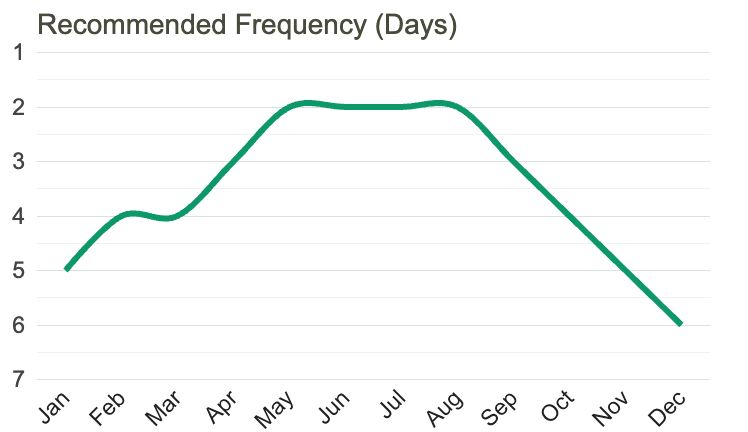
To water this plant, you should first check the soil to make sure it is dry to the touch before watering. When watering, be sure to water deeply, ensuring that the water reaches the roots. Allow the water to soak in completely before watering again, as overwatering can be harmful to this plant. It is also important to avoid getting water on the leaves and flowers, as this can lead to fungal growth or damage to the plant.
To properly fertilize this plant, start by selecting a balanced fertilizer with equal amounts of nitrogen, phosphorus, and potassium. Use a low sodium fertilizer if possible. Apply the fertilizer evenly around the base of the plant, avoiding direct contact with the leaves and stems.
It's important to feed this plant regularly, especially during its active growing season in the spring and summer. Fertilize every 4-6 weeks during this time period, and reduce frequency during the winter months.
Be careful not to over-fertilize your plant, as this can lead to excessive growth and weak stems. Always follow the instructions on the fertilizer packaging, and adjust the amount applied based on the size and age of your plant.
The ideal soil for this plant should be well-draining and rich in nutrients, with a pH level between 6.0 and 7.5. It should have a good balance of sand, silt, and clay, with a loamy texture that allows for air circulation and moisture retention. Organic matter such as compost or aged manure can be added to the soil to improve its structure and fertility. It is important to avoid soils that are too heavy or compacted, as well as those that are excessively sandy or acidic. In general, this plant prefers soils that are slightly alkaline and nutrient-rich, with good drainage and aeration.
Propagation of this plant can be done through cuttings or from seeds. For cuttings, choose a healthy stem from the parent plant and cut it with a sharp knife or scissors. Remove the leaves from the bottom half of the stem and dip it in rooting hormone. Plant the cuttings in a well-draining propagation mix and water them regularly. Keep the plants in a warm and humid environment until roots develop.
For propagation from seeds, collect the seeds from mature pods and soak them overnight in water. Plant the seeds in a pot with rich soil mix and cover them lightly with soil. Keep the pot in a warm and sunny area and water regularly. The seeds should germinate within a few weeks.
Once the propagated plants have established roots, they can be transplanted to their permanent location in the garden or in a pot. It is important to note that this plant prefers full sun to partial shade and well-draining soil.








