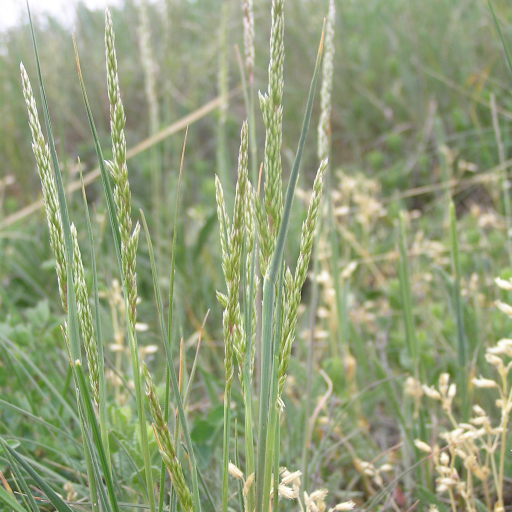
Plant Overview
Often called "June Grass" because it blooms earlier than most other prairie species, Koeleria macrantha is a silver-green gem of the wild. It is a resilient survivor found across North America and Eurasia, often seen dancing in the wind on dry hillsides and open plains. This plant is a favorite for those looking to add a touch of "wild meadow" elegance to their landscape without the maintenance of a sprawling lawn.
🔍 How to Identify
- 🌾 The Seed Heads: Tight, spike-like clusters (panicles) that emerge in early summer. They start as a shimmering silvery-green and transition to a papery tan or gold as the season progresses.
- 🍃 Foliage Texture: Narrow, flat leaves that often have a subtle bluish-gray tint and a slightly hairy texture near the base.
- Clump Growth Habit: It grows in tidy, upright tufts rather than spreading via underground runners, making it a "bunchgrass" that stays exactly where you plant it.
🏡 In Your Garden
- 🏜️ Tough Love: This grass actually prefers "lean" or sandy soil. It thrives in poor conditions where thirstier plants might fail, making it a superstar for rock gardens or xeriscaping.
- 🌱 Deep Roots: It is highly drought-tolerant once established. It uses its deep, fibrous root system to find moisture deep in the earth, which also helps prevent soil erosion on slopes.
- 🌼 Natural Companion: Because it remains relatively short (usually under 2 feet), it acts as a perfect structural backdrop for colorful wildflowers like Purple Coneflower or Black-eyed Susans.
⚠️ Safety & Toxicity
- ✅ Safe Status: Generally non-toxic and very safe for residential gardens.
- 🐾 Pet Friendly: It is non-toxic to dogs, cats, and horses. However, like many ornamental grasses, the dried seed heads can occasionally become "hitchhikers," getting stuck in long-haired pet fur or ears.
✨ Fun Fact
Indigenous tribes historically found many uses for June Grass beyond its beauty; the stiff, dried stems were often bundled together to create small, effective brushes for cleaning out cooking pots or grooming.

Detailed Care Instructions

Place in a bright room that is sun drenched almost all day. Or directly in a south-facing window.

Koeleria macrantha is a plant that requires regular watering to thrive. The best way to water Koeleria macrantha is to use a watering can or hose with a spray nozzle. Make sure to water the soil around the base of the plant rather than the foliage, as wet foliage can promote fungal diseases.
Water the plant deeply and thoroughly, but avoid over-watering as this can lead to root rot. The frequency of watering will depend on the weather conditions and the soil type. In general, the plant should be watered more frequently during hot, dry weather and less often during cooler, wet periods.
To determine when to water the plant, check the soil moisture level by sticking your finger into the soil up to the second knuckle. If the soil feels dry at this depth, it's time to water.
It is also important to provide good drainage for the plant to prevent waterlogging. If the soil is heavy and clay-like, consider adding organic matter such as compost to improve drainage.
Overall, providing adequate and appropriate watering is key to keeping Koeleria macrantha healthy and thriving.
The ideal soil for the Koeleria Macrantha plant is well-draining soil that is rich in organic matter. The pH of the soil should be between 6.5 and 7.5, which is slightly acidic to neutral. The plant prefers a soil that is moderate to low in fertility, as excessive nutrients can lead to poor growth and decreased overall health. Additionally, the Koeleria Macrantha plant can thrive in a soil that is either moist or dry, as long as it is well-draining and not prone to waterlogging. The addition of sand or perlite to the soil can help to improve drainage and prevent waterlogging.








