Plant Overview
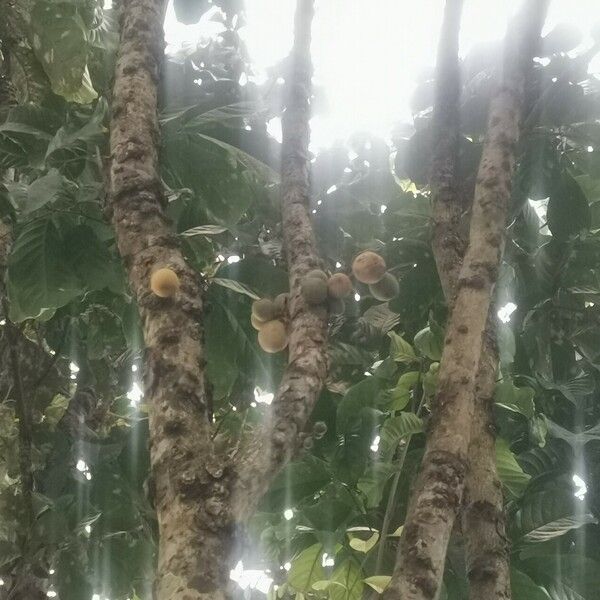
Often called the Langsat or Duku, Lansium domesticum is a tropical treasure native to the lush rainforests of Southeast Asia. Known for producing clusters of fruit that look like oversized grapes with velvety, sand-colored skin, it is a staple in exotic fruit markets from Thailand to Indonesia. While it grows into a majestic shade tree, it is most famous for its sweet, translucent segments that offer a refreshing, grapefruit-like tang.
🔍 How to Identify
- 🍃 The Foliage: The tree features large, glossy, dark green pinnate leaves that grow in an alternating pattern, giving the canopy a dense and luxurious appearance.
- 🍈 The Fruit: Round or oval fruits grow in heavy, pendant clusters. The skin is thin and leathery, ranging from pale yellow to brownish, often dusted with a fine, velvety fuzz.
- 🌸 The Blooms: Small, fleshy, bell-shaped flowers emerge directly from the trunk or large branches (a trait known as cauliflory), appearing in long, drooping spikes.
🏡 In Your Garden
- ☁️ Tropical Temperament: This plant is a true child of the tropics; it craves high humidity and consistent warmth. It is highly sensitive to cold and will stop growing if temperatures drop below 50°F (10°C).
- 💧 Thirsty Roots: Because it originates in rainforests, it prefers deep, rich, and slightly acidic soil. It hates "wet feet" but requires regular deep watering to mimic the heavy tropical rains it loves.
- ☂️ Shady Beginnings: Young trees are quite delicate and can suffer from leaf scorch. In a garden setting, they often perform best when "nursed" under the shade of larger trees until they are established enough to handle direct sun.
⚠️ Safety & Toxicity
- 🟢 Fruit Status: The translucent flesh is delicious and safe for humans to eat. However, the skin contains a milky white sap (latex) that can be incredibly sticky.
- 🚫 Bitter Seeds: Each fruit segment may contain a small green seed. These seeds are intensely bitter and contain tannins; while not usually dangerous in small amounts, they should be avoided as they can cause stomach upset if chewed or swallowed.
- 🐾 Pets & Kids: The fruit is generally non-toxic, but the thick skin and bitter seeds can be a choking hazard or cause digestive irritation for small pets.
✨ Fun Fact
In many Southeast Asian cultures, the dried peels of the Langsat are not thrown away—they are burned like incense! The smoke acts as a natural and fragrant mosquito repellent, making it a favorite "life hack" for humid tropical evenings.

Detailed Care Instructions
To grow Lansium domesticum, also known as langsat or lanzones, follow these steps:
- Obtaining Seeds or Seedlings: You can collect seeds from mature fruits or purchase them from a local nursery or online. Alternatively, you can also find young seedlings for transplantation.
- Climate Requirements: Lansium domesticum thrives in tropical or subtropical climates with temperatures between 22-35°C (72-95°F) and humidity levels of 80-90%.
- Choosing the Right Location: Select a sunny spot in your garden that receives at least 6-8 hours of direct sunlight daily. Ensure the soil is well-draining and has a pH level between 5.5-7.0. If your soil is too clayey or compact, consider adding organic matter like compost to improve its texture and drainage.
- Planting Process:
- Sow the Seeds: If you have seeds, plant them in small pots or seed trays filled with well-draining potting mix. Place the seeds about 1-2 cm deep and cover them lightly with soil. Keep the soil consistently moist until germination occurs.
- Transplanting Seedlings: If using seedlings, dig a hole in the prepared garden soil slightly larger than the root ball of the seedling. Place the seedling gently in the hole, ensuring the top of the root ball is level with the soil surface. Fill the hole with soil and press down lightly to remove any air pockets.
- Sow the Seeds: If you have seeds, plant them in small pots or seed trays filled with well-draining potting mix. Place the seeds about 1-2 cm deep and cover them lightly with soil. Keep the soil consistently moist until germination occurs.
- Watering: Water your Lansium domesticum regularly, keeping the soil slightly moist but not waterlogged. During hot weather, increased watering may be required to prevent the soil from drying out.
- Fertilization: Apply a balanced fertilizer with equal parts nitrogen, phosphorus, and potassium (NPK) every three months during the growing season. Follow the instructions on the fertilizer packaging for the correct application rate.
- Pruning: Prune your Lansium domesticum tree regularly to remove dead or diseased branches and promote air circulation. This helps prevent fungal diseases and encourages new growth.
- Mulching: Apply a layer of organic mulch around the base of the plant to help retain moisture, suppress weed growth, and regulate soil temperature.
- Pest and Disease Control: Protect your plant from common pests like aphids, mealybugs, and scale insects by using organic insecticides or insecticidal soaps. Regular monitoring and early intervention can prevent severe infestations. Be cautious of diseases like leaf spot or fungal infections, ensuring proper ventilation and avoiding over-watering.
- Harvesting: Lansium domesticum trees usually bear fruit within 5-7 years. The fruits are ready for harvest when the skin turns yellow and the fruits are slightly soft to the touch. Gently twist the fruit from the stem to avoid damaging the tree.
Remember that growing Lansium domesticum may require patience, as it can take several years for the tree to reach fruit-bearing maturity.

Place in a window with dappled sun or a spot in the middle of a room. Or directly in a window facing west or east.

To water the Lansium Domesticum plant, it is important to follow a few guidelines.
Firstly, ensure that the soil is slightly moist but not waterlogged. Overwatering can lead to root rot and other issues. To check the moisture level, insert your finger around an inch into the soil. If it feels dry at that depth, it's an indication that it's time to water.
When watering, do so thoroughly to ensure that the entire root system is hydrated. Apply water near the base of the plant, avoiding the leaves if possible, as wet foliage can increase the risk of diseases. Allow the water to penetrate deep into the soil.
The frequency of watering depends on various factors like the plant's environment, weather conditions, and the individual plant's needs. Generally, Lansium Domesticum plants require watering approximately once a week, but it's best to adjust the frequency based on the soil moisture level.
During the plant's growing season, which is typically spring and summer, you may need to water more frequently. Monitor the plant closely and adjust watering accordingly to avoid under or overwatering.
Additionally, it's good practice to use room temperature water, as extreme temperatures can shock the plant. Consider using filtered water or allowing tap water to sit out for a day to allow chlorine to dissipate if necessary.
Remember that proper watering is crucial, as it ensures the plant's overall health and growth. However, it is also important to consider other factors such as light, temperature, and humidity requirements to provide optimal conditions for your Lansium Domesticum plant.
To fertilize the Lansium Domesticum plant, follow these instructions:
- Choose a balanced fertilizer with an NPK ratio of 10-10-10 or 20-20-20, which indicates the proportions of nitrogen, phosphorus, and potassium respectively.
- Dilute the fertilizer according to the manufacturer's instructions. Typically, a ratio of 1 tablespoon of fertilizer per gallon of water is suitable.
- Apply the diluted fertilizer to the soil surrounding the plant's base. Avoid directly applying it to the leaves or stem.
- Water the plant thoroughly after fertilizing to help distribute the nutrients evenly.
- Repeat the fertilization process every 2-3 months during the growing season, which is typically spring and summer.
- Monitor the plant for any signs of nutrient deficiencies or excesses. If the leaves show discoloration, stunted growth, or other abnormal symptoms, adjust the fertilization accordingly.
Remember to always read and follow the specific instructions provided by the fertilizer manufacturer, as different products may have slightly different application methods or dosages.
When growing the Lansium Domesticum plant, it is important to use a well-draining soil mix that promotes healthy root development. The soil should be mildly acidic to slightly neutral, with a pH range of around 5.5 to 7.5. The ideal soil composition should be rich in organic matter and provide good aeration to the roots.
To achieve these conditions, it is recommended to use a mixture of garden soil, compost or well-rotted manure, and perlite or coarse sand. The garden soil provides essential nutrients, while the addition of organic matter improves soil structure and water retention capabilities. Perlite or coarse sand promotes drainage, preventing the soil from becoming waterlogged and reducing the risk of root rot.
It is advisable to avoid using heavy clay soils or those that retain excessive moisture, as they can lead to poor root growth and potentially cause fungal infections. Additionally, sandy soils may not retain enough moisture, potentially leading to dehydration and stress for the plant.
Regularly monitoring the soil moisture level is essential for the growth of the plant. Watering should be done when the soil feels slightly dry to the touch, ensuring that it is evenly moist but not overly saturated. Adequate drainage is crucial to prevent waterlogging, as this can suffocate the roots and lead to the decline of the plant.
Overall, providing a well-draining, slightly acidic to neutral soil composition, enriched with organic matter, will help facilitate optimal growth and development of the Lansium Domesticum plant.
Propagation of Lansium domesticum can be done through various methods. One common method is by using seeds. To propagate the plant using seeds, you need to harvest fresh ripe fruits from a healthy tree. Extract the seeds from the fruit and rinse them thoroughly to remove any pulp or residue. Next, soak the seeds in water for about 24 hours to soften the seed coat.
Prepare a well-draining potting mix consisting of peat moss, perlite, and sand in equal proportions. Fill small containers or seed trays with this potting mix. Sow the soaked seeds about 1 inch deep into the containers, spacing them at least 2 inches apart. Gently press the soil around the seeds to ensure good contact.
Provide the seeds with a warm and humid environment. Maintain a temperature of around 80°F (27°C) and cover the containers with a clear plastic bag or plastic wrap to create a mini greenhouse effect. This will help retain moisture and accelerate germination.
Keep the soil consistently moist, but not waterlogged, during the germination process. It may take between 2 to 4 weeks for the seeds to germinate, depending on the conditions provided. Once the seedlings emerge, remove the plastic cover.
Allow the seedlings to grow for a few months until they develop a strong root system and several sets of leaves. At this stage, they can be transplanted into larger containers or directly into the ground if the outdoor conditions are suitable.
Another method of propagation is through vegetative means, such as air layering or stem cuttings. Air layering involves selecting a healthy branch with a diameter of about 1 inch. Make a shallow, slanting cut just below a node and apply a rooting hormone to the cut area. Wrap the treated section with moist sphagnum moss, securing it with plastic wrap or aluminum foil. After a few weeks, roots should develop within the moss, indicating successful propagation. Cut the branch below the rooted section and plant it in a well-prepared potting mix.
Alternatively, stem cuttings can be taken from young, vigorous shoots of the plant. Cut a section of the stem, around 6 inches long, just below a node. Remove any leaves from the lower half of the cutting. Dip the cut end into a rooting hormone and insert it into a pot filled with a well-draining potting mix. Place the pot in a warm and humid environment, ensuring the soil remains consistently moist. After a few weeks, the cutting should root and can be transplanted into a larger container or directly into the ground.
Regardless of the propagation method chosen, it is important to provide the young plants with appropriate care, including regular watering, adequate sunlight, and protection from pests and diseases.








