Plant Overview
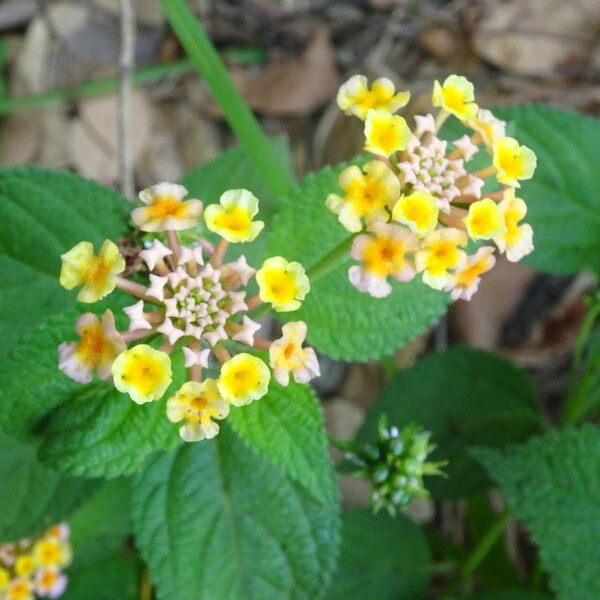
Commonly known as the "Spanish Flag" or "Shrub Verbena," Lantana × strigocamara is a vibrant, sun-drenched beauty that seems to capture the essence of a tropical sunset. These hardy shrubs are famous for their "kaleidoscope" clusters, where individual flowers change color as they age, creating a multi-colored effect on a single branch. While they are beloved by gardeners for their relentless blooming, they are equally known for their rugged independence and ability to thrive in the toughest conditions.
🔍 How to Identify
- 🌼 The Flowers: Small, tubular blossoms gathered in dense, rounded clusters called umbels. You will often see yellow, orange, and red flowers all huddling together in the same bunch.
- 🍃 The Foliage: Pointed, oval leaves with a sandpaper-like texture and serrated edges. When bruised or crushed, the leaves release a sharp, pungent citrus-and-sage aroma.
- 🌿 The Stems: Woody at the base with square-shaped green stems near the tips. Some varieties feature tiny, downward-pointing prickles that help the plant scramble over other vegetation.
🏡 In Your Garden
- ☀️ Sun Worshiper: Lantana is a true child of the sun; it requires at least six hours of direct light to produce its signature heavy bloom. In shady spots, it becomes leggy and prone to mildew.
- 🦋 Pollinator Magnet: If you want a backyard full of life, this is your plant. It is one of the top nectar sources for swallowtail butterflies, hummingbirds, and honeybees.
- ✂️ Tough Love: Avoid over-fertilizing. Too much "pampering" with nitrogen-rich food results in lush green leaves but very few flowers. It actually performs better in slightly poor, well-draining soil.
⚠️ Safety & Toxicity
- 🚫 Status: Toxic to humans and pets.
- 🐾 The Danger: All parts of the plant contain triterpene acids (lantadines). The unripe, green berries are the most dangerous and can cause vomiting, labored breathing, and liver failure if ingested by dogs, cats, or children.
- 🧤 Skin Irritation: The rough hairs and sap can cause a mild itchy rash (contact dermatitis) for those with sensitive skin. It is best to wear gloves when pruning.
✨ Fun Fact
Lantana is a "smart" communicator. The flowers change color after they have been pollinated—usually shifting from yellow to red—to tell butterflies that the nectar is gone. This directs the insects to the younger, unpollinated yellow flowers, making the pollination process more efficient for the plant!

Detailed Care Instructions

Place in a bright room that is sun drenched almost all day. Or directly in a south-facing window.

Some plants require more regular watering than others, which should be done every few days. It's critical to maintain the soil moist all of the time. The water requirements of the same plant placed in pots with varying sizes will differ. Because the water in the smaller pot evaporates faster than the water in the larger pot, it will require more watering. Regardless of pot size, the surface should constantly be maintained moist.







