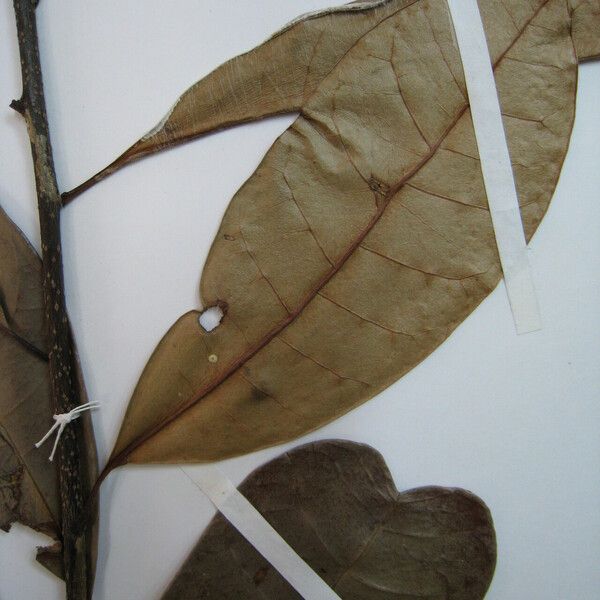
Plant Overview
Known primarily to botanists and deep-forest explorers, Laxoplumeria baehniana is a rare and elegant resident of the tropical rainforests of Central and South America. A member of the "Dogbane" family (Apocynaceae), it is a distant, wilder relative of the famous Frangipani. While it lacks the showy, oversized blooms of its cousins, it possesses a quiet, architectural beauty that defines the lush understory of the humid lowlands.
🔍 How to Identify
- 🌿 The Foliage: The leaves are typically long, glossy, and elliptical. They feature a prominent central vein and a "relaxed" arrangement along the stems, which is what gives the genus its name (Laxo- meaning loose).
- 💧 Milky Latex: Like most of its relatives, the plant contains a thick, white, sticky sap that oozes out immediately if a leaf or stem is broken.
- 🌱 Growth Habit: It typically grows as a small-to-medium evergreen tree or a sprawling shrub, maintaining a slender profile that allows it to reach for light through the dense forest canopy.
🏡 In Your Garden
- ☁️ Humidity is Key: This species is a true tropical soul. In a home or garden setting, it struggles with dry indoor air and requires a high-humidity environment, such as a heated greenhouse or a misted conservatory.
- 🏜️ Drainage Matters: Despite its love for moisture, it has sensitive "feet." It requires a very airy, well-draining potting mix—think orchid bark and perlite—to prevent the root rot that often plagues rainforest species in captivity.
⚠️ Safety & Toxicity
- 🚫 Toxic to Ingest: High Caution. Most members of the Apocynaceae family contain alkaloids or glycosides that can be harmful if swallowed. Keep this plant away from curious pets and children.
- 🖐️ Skin Irritant: The milky white latex can cause significant skin irritation or "contact dermatitis" for some people. It is highly recommended to wear gloves when pruning or handling cuttings.
✨ Fun Fact
The genus name Laxoplumeria literally translates to "Loose Plumeria." It was named this because its branches and leaf clusters aren't as stiff or tightly packed as the traditional Frangipani trees we see in tropical resorts!

Detailed Care Instructions








