Plant Overview
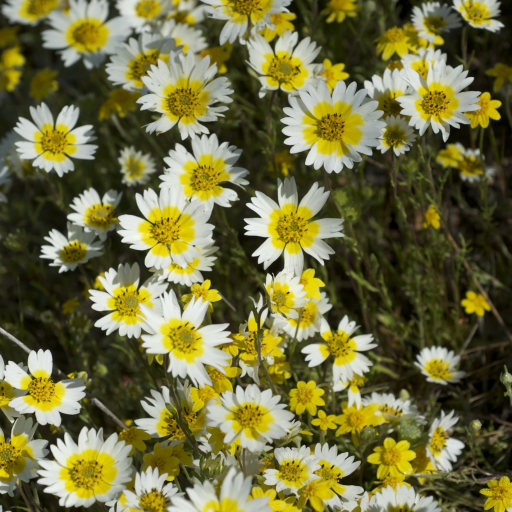
Known affectionately as Fremont’s Tidytips, this charming wildflower looks as though each of its petals was carefully dipped in white paint. A hallmark of California’s springtime grasslands, it creates vibrant yellow carpets that signal the end of winter. It is a resilient native annual that brings a sense of wild, untouched beauty to any landscape it inhabits.
🔍 How to Identify
- 🌼 The Petals: Bright yellow daisy-like rays that end in distinct, clean white "tips," giving the flower its tidy appearance.
- 🌿 Foliage: Slender, grey-green leaves that are often covered in fine, soft hairs and may feel slightly sticky to the touch.
- ☀️ The Center: A dense, golden-yellow heart composed of tiny disk florets that provide a landing pad for pollinators.
🏡 In Your Garden
- 🌱 Native Resilience: As a California endemic, this plant is perfectly adapted to "Mediterranean" climates. It thrives in open, sunny spots and is particularly well-suited for rock gardens or wildflower meadows.
- 🐝 Pollinator Paradise: It is a high-value nectar source. Planting it will invite a flurry of activity from native sweat bees, hoverflies, and butterflies.
- 💧 Seasonal Cycle: Because it is an annual, it completes its life cycle in one year. It loves a damp spring but is incredibly drought-tolerant once it begins to bloom, eventually dropping seeds to start the cycle over the following year.
⚠️ Safety & Toxicity
- ✅ Non-Toxic: Fremont's Tidytips is generally considered safe and non-toxic for both humans and household pets.
- 🧤 Mild Irritation: The sticky glandular hairs on the stems can occasionally trap dust or pollen, which might cause very mild skin irritation for sensitive individuals if handled extensively without gloves.
✨ Fun Fact
This plant is named after John C. Frémont, a 19th-century explorer and "The Pathfinder" of the American West, who collected the first specimens for scientific study during his treacherous expeditions across the frontier.

Detailed Care Instructions
To grow Layia fremontii (also known as Fremont's tidy tips or yellow tidytips), follow these steps:
- Climate: Layia fremontii is native to California and prefers a Mediterranean climate. It thrives in full sun and well-drained soil.
- Seed collection/plant source: Collect seeds from mature plants in late summer or purchase seeds from a reputable nursery or online seed supplier.
- Soil preparation: Layia fremontii prefers sandy, loamy, or rocky soil. Prepare the planting area by removing weeds and incorporating organic matter like compost to improve soil texture and fertility.
- Seed treatment: Layia fremontii seeds have a hard seed coat that can benefit from scarification (simulating natural conditions to break the coat) to promote germination. You can either mechanically scarify the seeds by lightly rubbing them with sandpaper or soak them in warm water for a few hours before planting.
- Planting: Sow the seeds directly into the prepared soil in early spring after any chance of frost has passed. Scatter the seeds evenly and lightly press them into the soil, ensuring good seed-to-soil contact. Layia fremontii seeds are tiny, so be cautious not to bury them too deep.
- Watering: Water gently to keep the soil consistently moist but not waterlogged. Avoid overwatering, as it can lead to rot. Once established, Layia fremontii is drought-tolerant and requires minimal watering.
- Maintenance: Weed around the young plants carefully to prevent competition for nutrients and water. Pinch back the tips of the growing stems once the plants reach around 6 inches in height to promote bushier growth.
- Blooming and deadheading: Layia fremontii produces bright yellow daisy-like flowers from spring to early summer. Deadhead spent flowers regularly to encourage prolonged blooming and prevent self-seeding.
- Pests and diseases: Layia fremontii is generally resistant to pests and diseases. However, keep an eye out for aphids, slugs, or snails. If necessary, use organic pest control methods to manage any infestations.
- Propagation: You can collect seeds from mature plants to propagate more Layia fremontii. Alternatively, you can divide mature plants in early spring, ensuring each division has sufficient roots and foliage.
By following these steps, you should be able to grow Layia fremontii successfully and enjoy the vibrant yellow flowers it produces.

Place in a bright room that is sun drenched almost all day. Or directly in a south-facing window.

Layia Fremontii is a plant that requires a moderate amount of water. One way to ensure proper watering is to regularly check the soil moisture level at a depth of two inches. If the soil feels dry, it is time to water. It is important to avoid overwatering as this can lead to root rot. One way to prevent this is by allowing the soil to dry out slightly between waterings. When watering, it is best to water directly at the base of the plant to avoid wetting the foliage which can lead to disease. Additionally, it is best to water in the morning to allow time for any excess moisture to evaporate before nighttime when cooler temperatures can promote disease.
To fertilize this plant, use a balanced fertilizer with equal amounts of nitrogen, phosphorus, and potassium. Apply the fertilizer every four to six weeks during the growing season. Water the plant well before and after fertilizing to prevent root burn. Avoid over-fertilizing, as it can lead to excessive growth and weaker stems.
Layia Fremontii is a type of plant that requires well-draining soil to thrive. It prefers a soil mixture that is rich in organic matter and has a slightly acidic pH level. The soil should be loose and well-aerated to allow for proper root growth. It is recommended to use a mixture of sandy loam and compost to create the ideal soil conditions for this plant. Avoid using heavy clay soils or soils that are too compacted, as this can lead to poor drainage and root rot. Soil that is too alkaline can also be problematic for this plant, so be sure to test the soil pH and make adjustments as needed.
To propagate this particular plant, you will need to collect seeds from the mature flowers. The flowers should be left on the plant to dry out and form seed heads, which can then be harvested. The seeds should be stored in a cool, dry place.
To plant the seeds, prepare a well-draining soil mixture and fill small pots or trays. Sprinkle the seeds over the soil and lightly cover with a thin layer of soil. Water thoroughly and place in a bright, sunny location.
The seeds should germinate within a few weeks and once they have developed a few leaves, they can be transplanted into larger containers or planted directly in the ground.
To ensure successful growth and health of the plants, provide regular watering and fertilization. Once the plants have matured, they can produce more seeds and continue the propagation cycle.








