Plant Overview
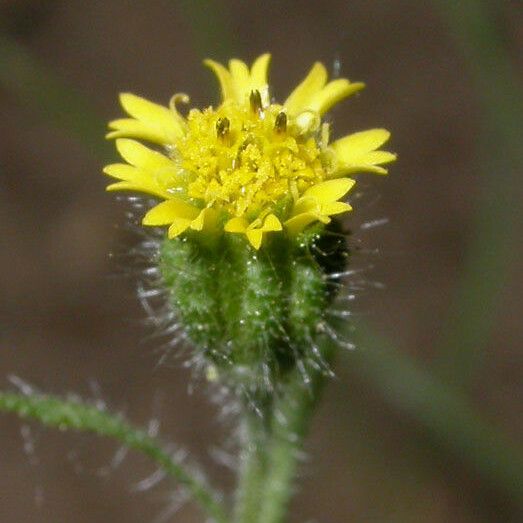
Known as the Tall Layia or Hillside Tidy-tips, this wildflower is a staple of California’s golden hills and open woodlands. While its cousins are often famous for their bright "painted" petal tips, Layia hieracioides offers a more subtle, rustic charm with its pale yellow-to-cream blooms. It is a pioneer species, often one of the first to colonize a landscape after a wildfire, bringing life back to scorched earth.
🔍 How to Identify
- 🌼 The Blooms: Features daisy-like flower heads with bright yellow centers surrounded by short, pale yellow or greenish-white ray petals that often look slightly notched at the tips.
- 🌿 Sticky Foliage: The stems and leaves are covered in glandular hairs, making the plant feel tacky or sticky to the touch—a clever defense against small crawling insects.
- 📏 Growth Habit: True to its name, it grows taller than many other Layia species, sometimes reaching up to 3 feet in height with a slender, branching structure.
🏡 In Your Garden
- 🌱 Soil & Drainage: This plant thrives in "lean" soil and absolutely requires sharp drainage; it is perfectly adapted to rocky slopes and sandy loams where water doesn't sit.
- 🐝 Pollinator Magnet: In a native or meadow-style garden, it acts as a high-value refueling station for native bees and butterflies, blooming primarily in late spring.
- ☀️ Sun Lover: It craves full sun and is highly drought-tolerant once established, making it an excellent choice for xeriscaping or low-maintenance wildflower patches.
⚠️ Safety & Toxicity
- ✅ General Safety: Tall Layia is considered non-toxic to humans and common household pets like dogs and cats.
- 🖐️ Skin Sensitivity: Because the plant is "glandular" (sticky), the sap and hairs can occasionally cause mild skin irritation or a "tacky" residue for those with sensitive skin or allergies to the Aster family.
✨ Fun Fact
The species name hieracioides means "resembling Hieracium" (Hawkweed). Early botanists gave it this name because its tall, bristly stems and flower shape look remarkably similar to the common European Hawkweed, even though they belong to different plant lineages!

Detailed Care Instructions

Place in a bright room that is sun drenched almost all day. Or directly in a south-facing window.

Water-loving plants flourish in wet or sloppy soil and near ponds. The extensive root system enables these plants to absorb plenty of water. The surface of the soil should be kept moist at all times. Place your pot in a container filled with water to guarantee that plants get enough water. If the ground becomes dry, it is recommended that you water it well. Plants in smaller pots will need to be watered more frequently. Water the soil in which the plant is standing thoroughly using a watering can.








