Plant Overview
Often known as the White Leea or Mali-mali, Leea aculeata is a lush, architectural shrub that hails from the humid rainforests of Southeast Asia. While it looks like a delicate fern-like bush at first glance, its name aculeata (meaning "prickly") hints at its true nature—stems often guarded by small, sharp spines. In its native habitat, it is a vital part of the understory, providing a textured backdrop of deep green foliage and snowy white blooms.
🔍 How to Identify
- 🌿 Fern-like Foliage: The leaves are large and "bipinnate," meaning they are divided into many smaller leaflets with serrated edges, giving the plant a soft, lacy appearance.
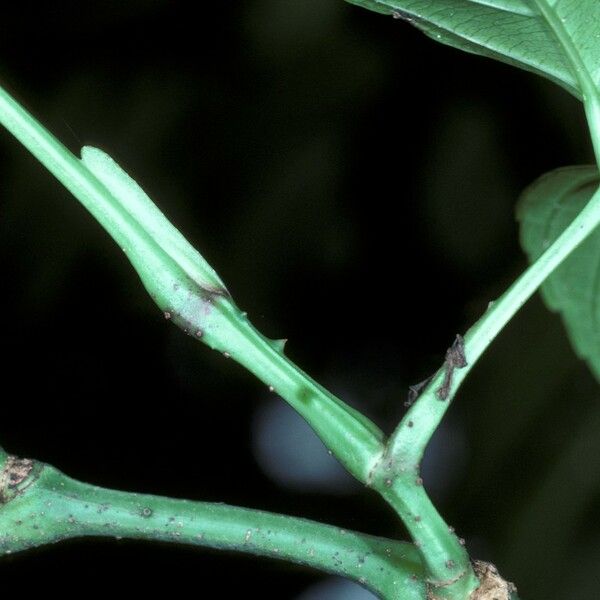
- 🦷 Prickly Stems: Upon closer inspection, the main stems and branches often feature small, sharp prickles or "teeth" that discourage grazing animals.
- ☁️ Cloud-like Clusters: It produces flat-topped clusters (cymes) of tiny, creamy white flowers that sit just above the foliage, later turning into dark, berry-like fruits.
🏡 In Your Garden
- 💧 Moisture Consistency: Unlike desert plants that enjoy a drought, the White Leea is a moisture lover. It prefers soil that stays consistently damp (but not swampy) to mimic the humid forest floor it calls home.
- ⛅ The Goldilocks Light: It struggles in direct, scorching afternoon sun, which can bleach its beautiful green leaves. Instead, place it in a spot with "dappled" light—bright enough to see by, but shielded from the sun's direct rays.
⚠️ Safety & Toxicity
- 🐾 Mild Irritant: While not considered highly "poisonous," the plant can contain calcium oxalate crystals. If chewed by pets or curious children, it may cause mild mouth irritation or swelling.
- 🌵 Physical Hazard: The small spines on the stems can be quite sharp. It is best to wear gloves when pruning or repotting to avoid scratches and skin irritation.
✨ Fun Fact
In traditional Filipino medicine, the leaves of the Leea aculeata are sometimes crushed and applied to the skin to treat wounds or rashes, proving that this prickly plant has a healing side too!

Detailed Care Instructions








