Plant Overview
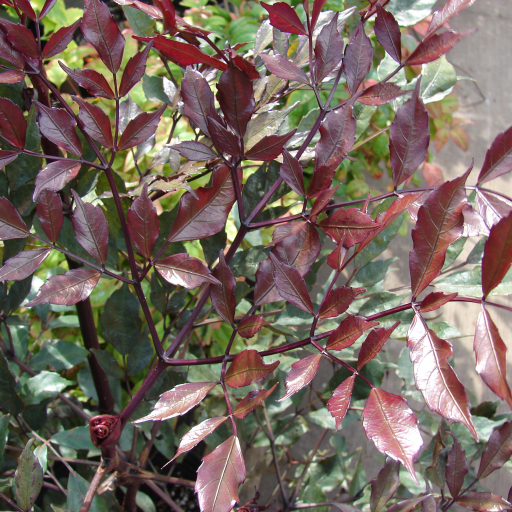
Often called the Burgundy Leea or West African Red Leea, this tropical beauty is a standout for its dramatic foliage and architectural shape. Originating from the rainforests of West Africa, it brings a lush, jungle-like feel to any indoor space or tropical garden. It is a dynamic plant to watch, as its leaves undergo a striking color transformation as they mature.
🔍 How to Identify
- 🌿 Leaf Structure: Features large, compound leaves with serrated edges that give the plant a feathery, fern-like appearance.
- 🎨 Color Palette: New growth emerges in a striking burgundy or deep bronze hue, which slowly transitions into a glossy, dark forest green as the leaves age.
- 🌸 Bloom Style: It produces flat-topped clusters (cymes) of tiny, star-shaped reddish-orange flowers, which eventually turn into small, dark purple or black berries.
🏡 In Your Garden
- 💧 Humidity Lover: Because of its rainforest heritage, this plant craves moisture in the air. If the leaf tips begin to turn brown and crispy, it is likely a sign that the environment is too dry for its liking.
- 🌡️ Draft Sensitivity: The Burgundy Leea is a bit of a "homebody." It hates sudden temperature changes and will often drop its leaves in protest if placed near an air conditioning vent or a drafty winter window.
- 🪴 Growth Habit: It is a vigorous grower that can quickly reach the ceiling indoors. Unlike many tropicals, it has a naturally shrub-like, upright habit that doesn't require much staking.
⚠️ Safety & Toxicity
- 🐾 Mildly Toxic: Like many of its relatives, it contains calcium oxalate crystals. If chewed or ingested, it can cause localized swelling and irritation of the mouth and throat in pets.
- 👶 Keep Away from Kids: The berries, while attractive, are not edible and can cause digestive upset. The sap may also cause mild skin irritation (dermatitis) in sensitive individuals during pruning.
✨ Fun Fact
🐜 The Ant Bodyguard: In its natural habitat, Leea guineensis produces tiny, translucent "pearl glands" on its stems and leaves. These nutrient-rich beads are a specialized food source designed to attract ants, which in turn protect the plant from more harmful leaf-eating insects!

Detailed Care Instructions
To grow Leea Guineensis, also known as African Holly, you can follow these steps:
- Choose the right location: African Holly prefers bright indirect light or partial shade. It can tolerate full sun but may require more frequent watering. Ensure the plant is protected from strong winds.
- Prepare the soil: African Holly prefers well-draining, fertile soil. Before planting, amend the soil with compost or well-rotted manure to improve its nutrient content and drainage.
- Planting: Dig a hole in the prepared soil that is slightly wider and deeper than the plant's root ball. Place the plant in the hole, ensuring the top of the root ball is level with the soil surface. Backfill the hole with soil, firming it gently around the roots.
- Watering: Water the plant thoroughly after planting to settle the soil. African Holly plants prefer consistently moist soil, so water regularly, ensuring the soil remains damp but not waterlogged. However, avoid overwatering, as it can lead to root rot.
- Fertilization: Feed the plant with a balanced, slow-release fertilizer in spring and summer to promote healthy growth and flowering. Follow the package instructions for the appropriate dosage.
- Pruning: African Holly can benefit from regular pruning to maintain its shape and control its height. Prune during the dormant season, removing any dead or weak branches. You can also shape the plant as desired.
- Mulching: Apply a layer of organic mulch around the base of the plant to conserve soil moisture, suppress weed growth, and provide nutrients as it breaks down. Keep the mulch a few inches away from the stem to prevent rotting.
- Pests and diseases: African Holly is relatively pest-resistant but can occasionally be affected by aphids or spider mites. Monitor the plant regularly and treat any infestations promptly with appropriate insecticidal soap or neem oil.
- Propagation: You can propagate African Holly by collecting and planting its seeds or through stem cuttings. Sow the seeds in a well-draining soil mix, covering them lightly. Keep them consistently moist until germination. For stem cuttings, select healthy, non-flowering shoots and root them in a well-draining rooting medium.
With proper care and maintenance, Leea Guineensis can thrive and grow into a beautiful plant.

Place in a window with dappled sun or a spot in the middle of a room. Or directly in a window facing west or east.

When watering this plant, it is important to keep the soil evenly moist but not waterlogged. Allow the top inch of soil to dry out before watering again. Water thoroughly, allowing the water to soak through the soil and drain out the bottom of the pot or container. Avoid getting water on the leaves as this can cause damage or disease. In addition, this plant prefers slightly acidic soil with good drainage to prevent root rot.
To fertilize this plant, use a balanced liquid fertilizer every 2-3 weeks during the growing season. Make sure to dilute the fertilizer to half strength before applying it to the soil. Additionally, for best results, apply an organic fertilizer or compost to the soil in the spring. It is important to avoid over-fertilization, as this can harm the plant.
When selecting soil for the Leea Guineensis plant, it is important to choose a well-draining soil that is rich in organic matter. This type of soil will provide the necessary nutrients for the plant to thrive, while also allowing excess moisture to drain away.
To create the ideal growing medium, it is recommended to mix together equal parts of peat moss, perlite, and vermiculite. This will provide a light, airy soil that is able to hold moisture without becoming waterlogged.
In addition to this basic soil mix, it may be beneficial to add in some additional nutrients such as compost, bone meal, or blood meal. These will help to provide a boost of fertilizer to the plant, which can help it grow stronger and healthier.
It is also important to note that the Leea Guineensis plant prefers slightly acidic soil, with a pH between 5.5 and 6.5. Therefore, it may be helpful to test the soil periodically to ensure that the pH remains within this range.
Propagation of this plant can be achieved through different methods such as stem cuttings or layering. One can obtain stem cuttings from the parent plant by selecting a healthy stem and cutting it with a sharp and sterilized knife. The cutting should have at least two nodes and a length of 10-15 cm. After cutting, the lower leaves should be removed leaving only two or three at the top of the cutting.
The stem cuttings should be dipped in rooting hormone powder to stimulate root growth before planting in a well-draining soil mix. The soil should be kept moist and the cutting should be placed in a shaded area. The cutting should start developing roots within a few weeks, and it can be transplanted to a bigger pot or the ground once it has established.
Another method of propagation is layering, which involves bending a low-growing stem down to the soil surface and pinning it in place. The stem should be partially buried and kept moist until roots develop. After rooting, the new plantlet can be separated from the parent plant and transplanted.
In general, propagating this plant requires patience and attention to detail, as the success rate can vary based on environmental factors and the plant's health.








