Plant Overview
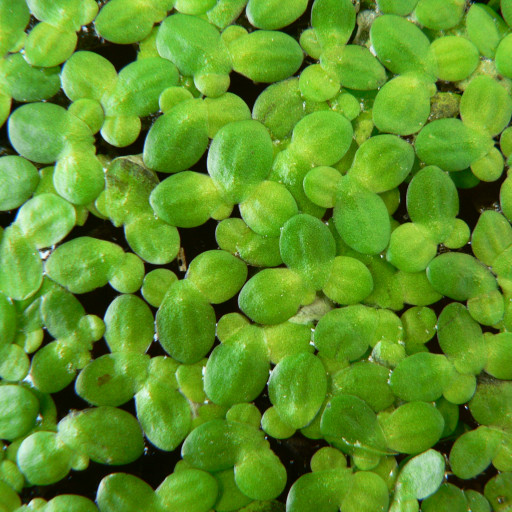
Often called the "Water Lens" or simply "Duckweed," Lemna minor is nature’s emerald carpet. While it is one of the smallest flowering plants on Earth, its impact on an ecosystem is massive. Often mistaken for algae from a distance, this tiny floater is a powerhouse of water purification and a favorite snack for aquatic wildlife.
🔍 How to Identify
- 🍃 The Fronds: Each plant consists of a tiny, rounded-oval leaf called a frond. They are usually no larger than a grain of rice (about 2–5mm).
- 🧶 Single Root: If you lift a plant out of the water, you’ll see a single, translucent root-hair dangling from the center, which helps it stay balanced.
- 🟢 Bright Green Color: The top is a vibrant, waxy green, while the underside can sometimes have a slight reddish or pale tint.
🏡 In Your Garden
- 🧪 The Ultimate Filter: Duckweed is a champion at absorbing excess nutrients like nitrates and phosphates. If your pond or aquarium has a "green water" problem, duckweed will often out-compete the algae for food, clearing the water.
- 🌬️ Surface Cover: Because it grows in dense mats, it provides excellent shade for fish and helps keep water temperatures cooler during scorching summer months.
- 📈 Fast-Paced Growth: It doesn't just grow; it explodes. Under the right conditions, a small patch can double in size in less than 48 hours. If you introduce it to a backyard pond, be prepared to skim some out occasionally to prevent it from covering 100% of the surface.
⚠️ Safety & Toxicity
- ✅ Safe Status: Lemna minor is non-toxic to humans, cats, and dogs.
- 🐢 Animal Nutrition: It is actually highly nutritious for goldfish, koi, and aquatic turtles, often used as a high-protein supplement in their diets.
- 🌊 Oxygen Warning: The only "danger" is to the pond's oxygen levels. If the plant covers the entire surface, it prevents oxygen from dissolving into the water from the air, which can stress or suffocate fish. Always keep at least 1/3 of the surface clear.
✨ Fun Fact
- 🚀 Space Traveler: Because it grows so fast and is packed with protein, NASA has studied duckweed as a potential "superfood" to be grown on long-term space missions to provide oxygen and nutrition for astronauts!

Detailed Care Instructions
| Color | Green |
| Humidity | Normal |
| Lighting | Shade |
| Toxicity | Non-Toxic |
| Bloom Time | Summer (If It Blooms) |
| Difficulty | Medium |
| Plant Type | Aquatic Plant |
| Hibernation | Cold Period |
| Mature Size | Starts 1/16 To 1/8 Of An Inch Long, Rapidly Spreads, Potentially Invasive |
| Native Area | Central America, North America Except Hawaii And South Carolina |
| Temperature | 23°C - 33°C |
| Sun Exposure | Full Sun |
| Hardiness Zones | 4-10 |
Here are some steps you can follow to grow Lemna minor, also known as duckweed:
- Obtain duckweed: Find a local pond or lake where duckweed grows naturally or purchase duckweed from a reputable supplier. Make sure to get healthy and viable plants.
- Choose a suitable container: Select a small aquarium, fish tank, plastic basin, or any other container that can hold water. Ensure that it is clean and does not contain any chemicals or residues that could harm the plants.
- Fill the container: Fill the container with dechlorinated water, which can be achieved by letting tap water sit out for 24-48 hours to allow the chlorine to evaporate. Make sure to fill it enough to allow the duckweed to float on the surface.
- Introduce the duckweed: Gently place the duckweed on the surface of the water. Avoid overcrowding the container as this might hinder growth. Start with a small amount and let it propagate over time.
- Provide proper lighting: Duckweed requires adequate sunlight to grow. Place the container in a well-lit area where it can receive direct or indirect sunlight for at least 6-8 hours per day. If natural sunlight is insufficient, consider using a fluorescent grow light.
- Maintain the water: Check the water level regularly to ensure it does not evaporate below the level needed to keep the duckweed floating. Add small amounts of dechlorinated water as necessary.
- Keep the container clean: Remove any debris or decaying plant material from the water regularly. This will prevent the growth of algae and maintain the health of the duckweed.
- Provide nutrients: Duckweed can obtain nutrients from the water, but if the growth seems slow or weak, you may need to supplement the water with nutrients. Use a balanced aquatic plant fertilizer, following the instructions carefully.
- Propagation: Duckweed reproduces rapidly. Over time, it will multiply and cover the surface of the water. If the coverage becomes too dense, thin it out by removing excess plants to promote healthy growth.
- Harvesting: You can harvest the duckweed as needed. Use a small net or sieve to scoop out the excess duckweed. It can be used as a food source for aquatic animals, a supplement for livestock feed, or as a nutrient-rich addition to compost.
By following these steps, you should be able to grow Lemna minor successfully in a controlled environment.

Place in a bright room that is sun drenched almost all day. Or directly in a south-facing window.

To water this plant, gently pour water over the surface of the container. It is important to ensure that the water does not disturb the delicate leaves of the plant. The frequency of watering will depend on the environment and the moisture level of the soil. Check the soil regularly, and water when the surface feels dry to the touch. Avoid overwatering, as this can lead to root rot and other issues. It may be beneficial to use a spray bottle or mister to avoid damaging the plant while watering.
To fertilize this aquatic plant, you will want to use a liquid fertilizer that is specifically formulated for aquatic plants. The fertilizer should contain a balance of nitrogen, phosphorus, and potassium, as well as micronutrients like iron and magnesium. Dilute the fertilizer according to the instructions on the label, and apply it directly to the water around the plant. Avoid getting the fertilizer on the plant's leaves, as this can cause damage. Depending on the strength of the fertilizer and the size of your plant, you may need to fertilize once every couple of weeks or once a month. Be sure to monitor the plant for signs of over-fertilization, such as yellowing leaves or algae growth.
The ideal soil type for the mentioned plant is a mix of clay and loam soil with good drainage and nutrient availability. The soil pH should be slightly acidic to neutral, between 5.5 and 7.5. The plant prefers a soil that is kept consistently moist, but not waterlogged. It is advisable to avoid using heavy fertilizers or top-dressing the soil as this plant has a high tolerance for nitrates and other pollutants. Instead, it is recommended to use an organic fertilizer to provide necessary nutrients to the soil. Overall, the soil should be well-aerated, loose, and fertile to support the growth and health of the plant.
The process of propagating this plant involves taking small portions of the parent plant and allowing them to form into new individuals. This can be done by gently removing individual plants from the parent plant and placing them into a separate container filled with fresh water. These plants should be kept in a sunny location and the water changed regularly. As the plants grow and multiply, they can be transplanted into soil. Additionally, Lemna Minor can reproduce asexually through the process of budding where new individuals form from the parent plant.








