Plant Overview
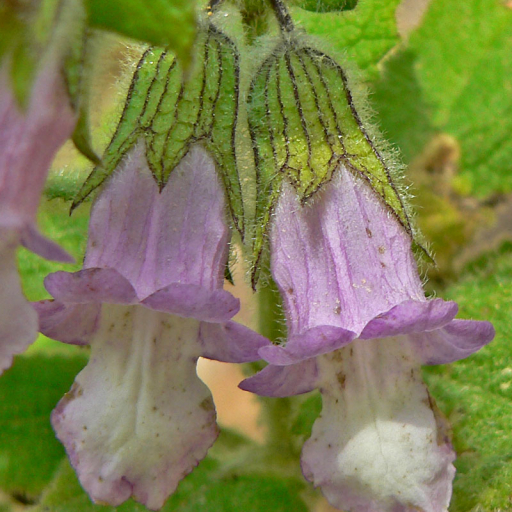
Often called the Fragrant Pitcher Sage or Wood Balm, this California native is a sensory delight for any garden. Found naturally clinging to coastal canyons and misty islands, it is beloved for its intoxicating aroma that blends mint, sage, and a hint of woodsy spice. It’s a quintessential "scrub" plant that brings the wild, rugged beauty of the Pacific coast into a home landscape.
🔍 How to Identify
- 🍃 Velvet Foliage: The leaves are large, arrow-shaped, and incredibly soft, covered in fine silver-green hairs that feel like felt to the touch.
- 🔔 Pitcher Flowers: It produces delicate, bell-shaped blossoms that hang gracefully from the stems. These flowers range from creamy white to pale lavender, often featuring intricate purple "nectar guides" inside the throat.
- 👃 Aromatic Signature: One of its most defining traits is the scent; simply brushing against the leaves releases a powerful, refreshing fragrance that can perfume an entire corner of a garden.
🏡 In Your Garden
- 🦋 Pollinator Paradise: This plant acts as a high-end resort for hummingbirds and native bees. The deep, bell-shaped flowers are perfectly engineered for long-tongued pollinators looking for a nectar snack.
- 💧 The Drainage Rule: While it is surprisingly hardy, this sage hates "wet feet." It thrives on slopes, in raised beds, or in rocky soil where water moves quickly away from the roots.
- ⛅ Cooler Ambitions: Unlike many desert sages that crave blistering heat, the Fragrant Pitcher Sage actually prefers "bright shade" or morning sun. In hot inland areas, it appreciates a break from the harsh afternoon sun to keep its soft leaves from wilting.
⚠️ Safety & Toxicity
- ✅ Generally Safe: Lepechinia fragrans is not known to be toxic to humans or common household pets.
- 🐾 Pet Interaction: While non-toxic, the strong essential oils in the leaves usually act as a natural deterrent, meaning curious dogs and cats are likely to give it a sniff and then move on.
✨ Fun Fact
🏝️ Island Heritage: Many of the most popular garden varieties of this plant originate from the Channel Islands off the coast of California. Because they evolved in a maritime environment, they are uniquely adapted to capturing moisture from coastal fog!

Detailed Care Instructions
To grow Lepechinia Fragrans (also known as pitcher sage or tarweed), follow these steps:
- Planting: Select a sunny location in well-drained soil. Lepechinia Fragrans prefers sandy or loamy soil with good drainage. If needed, amend the soil with compost or organic matter to improve drainage.
- Propagation: Lepechinia Fragrans can be grown from seeds or stem cuttings. If using seeds, sow them directly in the prepared soil during spring or early summer. If using stem cuttings, take 3-4 inch long cuttings from a healthy plant during summer and plant them in well-drained soil.
- Watering: Water the plant regularly, especially during the first year of growth. However, be cautious not to overwater as too much moisture can lead to root rot. Let the topsoil dry out slightly before watering again.
- Fertilization: Lepechinia Fragrans generally does not require heavy fertilization. You can use a balanced slow-release fertilizer once a year in spring to provide some nutrients for healthy growth.
- Pruning: Prune the plant lightly after the blooming period to remove dead or diseased branches and maintain its shape. This will also encourage bushier growth and more flowering in the following season.
- Pests and diseases: Lepechinia Fragrans is relatively resistant to pests and diseases. However, keep an eye out for common garden pests like aphids, spider mites, or scale insects. If spotted, use organic insecticides or insecticidal soaps to control the infestation.
- Mulching: Apply a layer of organic mulch around the base of the plant to help retain moisture, control weeds, and provide insulation to the roots.
- Winter care: Lepechinia Fragrans is hardy in USDA zones 8-11 but may require protection in colder regions. Mulch around the base of the plant to protect the roots from freezing temperatures.
By following these steps, you can successfully grow Lepechinia Fragrans and enjoy its attractive foliage and fragrant flowers.

Place in a window with dappled sun or a spot in the middle of a room. Or directly in a window facing west or east.

Lepechinia Fragrans is a plant that requires regular watering to thrive. When watering, it is important to always check the soil moisture level first, as overwatering can cause root rot and other problems. Generally, the soil should be kept moist but not waterlogged.
One way to water Lepechinia Fragrans is to give it a deep soak once a week, allowing the water to penetrate deep into the soil. This encourages the plant to develop deep roots and become more drought-tolerant. If the soil feels dry before the weekly watering, it may be necessary to water more often.
Another way to water this plant is to use a soaker hose or drip irrigation system. This ensures that the water is delivered slowly and evenly to the roots, preventing runoff and ensuring that the soil is thoroughly moistened.
It is important to avoid getting water on the foliage of Lepechinia Fragrans, as this can increase the risk of fungal diseases. Instead, aim to water at the base of the plant and avoid wetting the leaves.
During periods of hot weather, Lepechinia Fragrans may require more frequent watering. It is important to monitor the soil moisture level and adjust watering accordingly to ensure that the plant stays healthy and hydrated.
To fertilize the Lepechinia Fragrans plant, mix an organic fertilizer high in nitrogen with water according to package instructions. Apply the fertilizer to the soil around the base of the plant, making sure not to get any on the leaves. Repeat every two weeks during the growing season (spring and summer). Reduce fertilization during the fall and winter months when the plant is dormant.
The ideal soil for Lepechinia Fragrans plant is a well-draining and loose soil mixture that is rich in organic matter. The soil should be slightly acidic to neutral with a pH range of 6.0 to 7.0. It should also contain a moderate to high level of nutrients, especially nitrogen, phosphorous, and potassium. It is recommended to use a premium quality potting mix that is specifically designed for flowering plants or herbs. This type of soil mix will provide the necessary nutrients and drainage for the plant to thrive. Additionally, it is important to avoid using heavy or clay soils, as they may lead to root rot and other plant diseases.
There are several ways to propagate this plant species, one of which is through stem cuttings. To do this, select a healthy stem with several sets of leaves and use a sharp knife or pair of scissors to make a clean cut just below a leaf node. Remove any leaves from the lower half of the stem, leaving only a few sets of leaves at the tip. Dip the cut end in a rooting hormone powder or gel to encourage root growth, then plant the stem cutting in a pot filled with well-draining soil. Keep the soil moist and out of direct sunlight until roots develop and new growth appears. Another method of propagation is through division of root clumps, which involves carefully separating the plant into smaller pieces and replanting them in individual pots or garden beds. Both methods may require some patience, as it may take several weeks or months for the new plants to establish and grow.








