Plant Overview
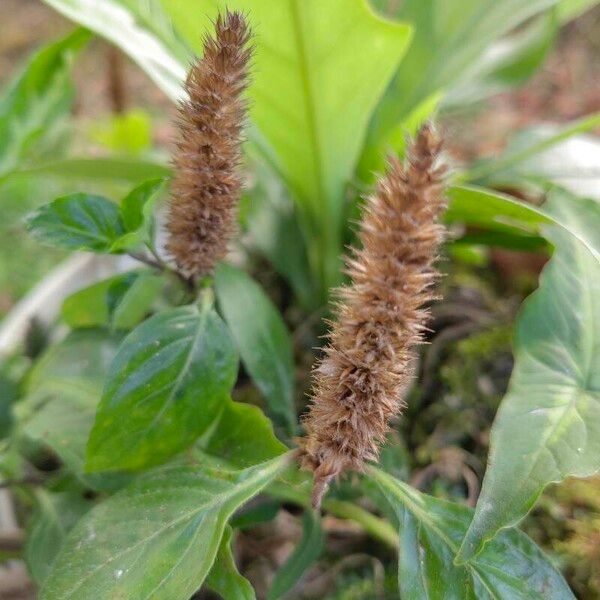
Often called the Fox-tail Lepidagathis, this tropical creeping herb creates a lush, textured carpet across the forest floors of the Caribbean and Central America. Its name is a direct nod to its peculiar flower spikes that look like miniature, fuzzy tails peeking out from the undergrowth. In its native habitat, it is often found clinging to damp riverbanks, adding a soft, bristly texture to the landscape.
🔍 How to Identify
- 🌿 Low-Profile Growth: It grows as a prostrate herb, meaning it hugs the ground closely and spreads outward to form dense, green mats.
- 🦊 Tail-Like Spikes: The most defining feature is the inflorescence—tight, cylindrical spikes covered in tiny, overlapping bracts that give them a distinct "fox tail" look.
- 🍃 Elliptic Leaves: The foliage consists of dark green, pointed leaves that grow in opposite pairs; they are usually smooth but can have a slightly wavy margin.
🏡 In Your Garden
- 💧 Humidity Lover: This plant is a specialist in moisture. It thrives in high-humidity environments and is often used in large terrariums or as a "living mulch" in tropical greenhouse beds.
- 🌑 Shade Specialist: Because it naturally grows under the dense canopy of tropical forests, it prefers filtered light or full shade. Direct, harsh sunlight will quickly wilt its delicate creeping stems.
- 🌱 Groundcover Potential: If you have a damp, shady spot where grass refuses to grow, this plant acts as an excellent natural filler that requires very little "mowing" or maintenance.
⚠️ Safety & Toxicity
- ✅ Safe for Touch: There are no known skin irritants associated with handling this plant, and it is frequently handled by botanists and gardeners.
- 🐾 Pet Caution: While not listed as a major toxic threat, it is best to keep it out of reach of cats and dogs. Many tropical Acanthaceae plants can cause mild digestive upset if ingested in large quantities.
- 💊 Traditional Use: In some regions of Central America, it has been used in traditional folk medicine, but you should never consume or apply it without professional pharmacological guidance.
✨ Fun Fact
The species name alopecuroidea is derived from the Greek words alopex (fox) and oura (tail). It shares this naming convention with several types of ornamental grasses that also feature "fuzzy" flowering tops!

Detailed Care Instructions








