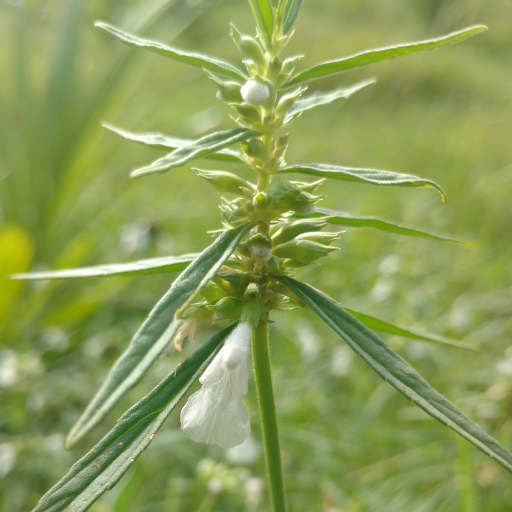
Plant Overview
Known as "Thumbai" in South Asia or the "Common Leucas," this hardy, white-flowered herb is much more than just a roadside weed. A member of the mint family, it is celebrated in Ayurvedic tradition for its cooling properties and is frequently used in cultural festivals. It’s a scrappy survivor that brings a delicate, snowy beauty to wild grasslands and sunny garden corners alike.
🔍 How to Identify
- ⚪ The Flowers: Small, pure white blossoms that grow in dense, globular "whorls" around the stem. The upper lip of each flower is covered in tiny, woolly white hairs, giving it a soft, fuzzy appearance.
- 🟩 The Stem: Like many of its mint-family cousins, the stem is distinctly square (quadrangular) and covered in fine, downy hairs.
- 🍃 The Leaves: Narrow, elongated, and slightly yellowish-green. They have a characteristic "toothed" or serrated edge and emit a mild, earthy scent when crushed.
🏡 In Your Garden
- 🐝 Pollinator Paradise: Despite its small size, the Thumbai is a magnet for tiny solitary bees and butterflies. It serves as an excellent "buffer" plant for wilder parts of a garden where you want to encourage biodiversity.
- ☀️ Sun-Loving Specialist: This plant thrives in full sun and isn't picky about soil. It actually prefers slightly dry, sandy, or well-drained soil; overwatering or "pampering" it with too much fertilizer can actually cause it to lose its medicinal potency and structural strength.
- 🌱 Self-Seeding Nature: Be aware that Leucas aspera is a prolific spreader. It drops seeds easily, meaning once you have one, you’ll likely have a small colony by next season.
⚠️ Safety & Toxicity
- ✅ Status: Generally non-toxic, but context is key.
- 🧤 Skin Sensitivity: While the plant is used topically in traditional medicine to treat stings, some individuals with sensitive skin may experience mild contact dermatitis from the hairy stems.
- 🐾 Pets & Kids: There are no widespread reports of toxicity to cats or dogs. However, as with any wild herb, it should not be ingested in large quantities by pets or children without professional supervision, as concentrated plant oils can cause stomach upset.
✨ Fun Fact
In various parts of Southern India, the Thumbai flower is considered sacred to Lord Shiva. During the festival of Onam, these tiny white flowers are essential for creating "Pookalam" (intricate floral carpets) because of their purity and bright white hue.

Detailed Care Instructions
To grow Leucas aspera (commonly known as Thumbai), follow these steps:
- Climate and soil requirements: Thumbai is an annual plant that thrives in warm climates and is typically found in the Indian subcontinent. It prefers well-drained soil with a pH level of 6-7.5.
- Seed collection: Harvest the seeds from a mature Thumbai plant or purchase seeds from a reliable source.
- Seed treatment: Soak the seeds in water for a few hours to soften the hard seed coat. This will help with germination.
- Germination: Fill a seed tray or small pots with well-draining soil mix. Place the seeds on top of the soil and lightly cover them with a thin layer of soil. Mist the soil with water using a fine spray to keep it moist.
- Placement and sunlight: Place the seed tray or pots in a warm and sunny location where they can receive at least 4-6 hours of direct sunlight every day. Thumbai plants need ample sunlight for proper growth.
- Watering: Water the seedlings regularly to keep the soil consistently moist but not waterlogged. Avoid overwatering, as it can lead to root rot.
- Transplanting: Once the seedlings have developed 2-3 true leaves and are about 4-6 inches tall, they can be transplanted to their permanent location. Choose a spot in your garden that receives full sun or partial shade.
- Spacing: Leave around 8-12 inches of space between each plant to ensure adequate air circulation and growth.
- Maintenance: Regularly water the plants to keep the soil moist, especially during dry periods. Apply a balanced organic fertilizer every 4-6 weeks to promote healthy growth and flowering.
- Pruning: Trim the plant regularly to encourage bushier growth and prevent it from becoming leggy. Pinch off the tips of the stems to promote branching.
- Flowering and harvesting: Thumbai plants usually start flowering within 2-3 months after germination. The flowers are small, white, and have a pleasant fragrance. Once the flowers dry up and turn into seed heads, you can collect the seeds for future plantings.
- Pest and disease control: Thumbai plants are generally resistant to pests and diseases. However, keep an eye out for common garden pests like aphids or spider mites. Use organic insecticides or natural remedies to control any infestations.
Remember to check if Leucas aspera is legal to grow and cultivate in your region, as it may be considered an invasive species in some areas.

Place in a bright room that is sun drenched almost all day. Or directly in a south-facing window.

To properly water Leucas Aspera plant, it is important to consider the specific requirements of this plant species. Here are the details on how to water it effectively:
1. Understand the water needs: Leucas Aspera plant prefers a moderately moist environment, but it is crucial to avoid waterlogging. Adequate drainage is essential, as standing water can lead to root rot and other diseases.
2. Observe the soil condition: Before watering, check the soil moisture level. Insert your finger about an inch deep into the soil near the base of the plant. If it feels dry, then it is time to water. However, if it feels slightly damp, it is better to wait for a day or two before watering.
3. Watering frequency: The frequency of watering typically depends on the climate and season. During summer or hotter months, when the plant experiences increased evaporation, it may require more frequent watering. Conversely, during colder months or in cooler climates, you may need to decrease the watering frequency. It is essential to ensure that the soil does not completely dry out between waterings.
4. Watering technique: To water the Leucas Aspera plant, use a watering can or a gentle sprinkler to provide a thorough but gentle watering session. The goal is to moisten the soil evenly throughout the root zone without causing water to run off the surface quickly. This allows the roots to absorb adequate moisture.
5. Deep watering: When watering, it is best to aim for a deep watering session rather than shallow watering. Apply enough water to saturate the soil, allowing it to reach the deeper roots. This encourages the roots to grow deeper, resulting in a more robust and resilient plant.
6. Mulching: Applying a layer of organic mulch around the base of the plant can be beneficial. Mulch helps retain moisture in the soil, reduces weed growth, and protects the roots from temperature fluctuations. Mulching can help minimize water loss through evaporation, thus reducing the frequency of watering required.
Remember, these guidelines are specific to watering the Leucas Aspera plant, and it is always advisable to consider other factors such as local climate, humidity levels, pot size, and the overall health of the plant when determining the appropriate watering regime.
To fertilize the Leucas Aspera plant, follow these instructions:
- Select a balanced water-soluble fertilizer with a nitrogen, phosphorus, and potassium (NPK) ratio of 10-10-10 or similar.
- Dilute the fertilizer according to the manufacturer's recommendations. Generally, a ratio of 1 tablespoon of fertilizer per gallon of water is suitable.
- Use a watering can or sprayer to apply the diluted fertilizer directly to the soil around the base of the plant. Avoid spraying the foliage.
- Apply the fertilizer once every month during the growing season, which is typically from spring to late summer. Reduce or stop fertilization during winter dormancy.
- Water the plant thoroughly after fertilizing to distribute the nutrients evenly in the soil.
- Observe any signs of over-fertilization, such as burned or yellowing leaves. If this occurs, flush the soil with water to leach out excessive nutrients.
- Monitor the plant's growth and adjust the fertilizer application rate accordingly. Aim for balanced growth without excessive foliage or sparse blooms.
Remember to always refer to the specific instructions provided with the fertilizer you choose, as they may vary slightly.
When choosing soil for the Leucas Aspera plant, there are a few important considerations to keep in mind. This plant thrives in well-draining soil that is rich in organic matter. It prefers a slightly acidic to neutral pH level, ranging from 6.0 to 7.0.
A suitable soil mixture for the Leucas Aspera may consist of a combination of garden soil, compost, and coarse sand or perlite to improve drainage. The garden soil provides essential nutrients, while the compost enriches the soil with organic matter, enhancing its fertility and moisture-holding capacity. Adding coarse sand or perlite helps prevent waterlogging and ensures proper aeration for the roots.
Another option is to use a high-quality potting mix specifically formulated for herbs or indoor plants. These mixes are usually well-draining and contain a balanced blend of peat moss, perlite, and other organic materials. They often have a slightly acidic pH, which suits the Leucas Aspera's preferences.
Regardless of the soil type chosen, it is recommended to avoid compacted or clayey soils that retain excessive moisture, as this can lead to root rot and other issues. Additionally, regular fertilization with a balanced slow-release fertilizer or occasional application of organic fertilizers can provide essential nutrients to support the plant's healthy growth.
To propagate Leucas aspera, follow these steps:
- Plant selection: Choose a healthy and mature Leucas aspera plant for propagation. Ensure that it is disease-free and has no signs of fungal or bacterial infections.
- Stem cutting: Take a stem cutting from the parent plant. The cutting should be about 4-6 inches long and have at least 2-4 sets of leaves.
- Preparing the cutting: Remove the lower leaves from the cutting, leaving only a few leaves at the top. This will prevent excessive moisture loss and encourage root development.
- Hormone treatment (optional): You can dip the cut end of the stem in a rooting hormone powder or gel to enhance root formation. While this step is optional, it can increase the chances of successful propagation.
- Potting mix: Prepare a well-draining potting mix consisting of equal parts peat moss, perlite, and vermiculite. Fill a small pot with this mix.
- Planting: Make a small hole in the potting mix with a pencil or your finger. Insert the cut end of the stem into the hole, burying it at least an inch deep. Gently firm the soil around the cutting to provide support.
- Watering: After planting, water the cutting thoroughly, ensuring that the soil is evenly moist. Avoid overwatering, as it may cause the cutting to rot.
- Optimal conditions: Place the potted cutting in a warm and bright location, away from direct sunlight. Maintain a temperature range of 70-85°F (21-29°C), as Leucas aspera prefers warm conditions for successful rooting.
- Humidity: Create a humid environment around the cutting by covering the pot with a plastic bag or placing it in a propagator. This will help retain moisture and increase the chances of root development.
- Root development: Check the cutting regularly for signs of root growth. After 4-8 weeks, roots should start forming. You can gently tug on the cutting to check if it has established roots.
- Transplantation: Once the roots are well-developed, carefully transplant the cutting into a slightly larger pot with well-draining soil. Ensure that the plant receives adequate sunlight and water regularly to promote its growth.
Remember to be patient during the propagation process, as it may take several weeks for the cutting to develop roots. With proper care and attention, you can successfully propagate Leucas aspera and grow new plants from cuttings.








