Plant Overview
Often overlooked as a simple "wildflower," Leucas longifolia is a hardy and resilient member of the mint family that thrives in sun-drenched landscapes. Known for its slender, spear-like foliage, it is frequently found gracing the hillsides and grasslands of the Indian subcontinent. It carries a rustic, wild charm, often appearing as a silver-green mist in the meadows where it grows freely.
🔍 How to Identify
- 🌿 Slender Foliage: The leaves are notably long, narrow, and linear, which is exactly how the plant earned its name (longifolia). They often have a soft, slightly fuzzy texture.
- 🦴 Square Stems: True to its Lamiaceae (mint) heritage, the stems are distinctly four-sided and rigid, providing a strong structure that helps the plant stand tall against the wind.
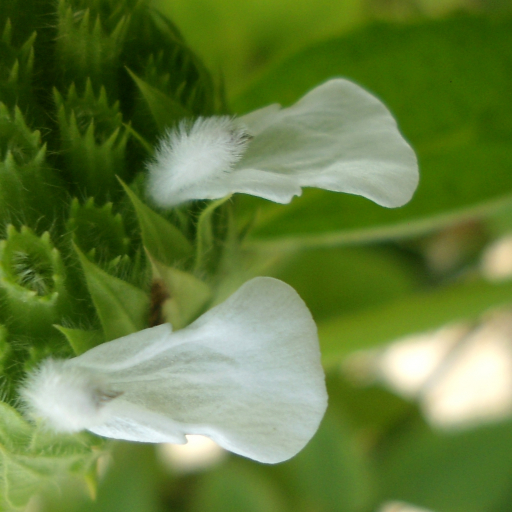
- 🐚 Hooded Flowers: It produces small, snow-white flowers that grow in dense, circular clusters (whorls) around the upper stem. Each tiny bloom features a characteristic "hooded" shape that protects its nectar.
🏡 In Your Garden
- ☀️ Sun Seeker: This plant is incredibly resilient to heat and prefers open spaces with plenty of direct sunlight. It is a "pioneer" species, meaning it is often one of the first to grow in rocky or poor soil where other plants might struggle.
- 🦋 Pollinator Magnet: While it may be considered a weed in some manicured landscapes, its nectar-rich white blooms are a vital fuel source for local bees and butterflies. It is a perfect choice for a low-maintenance "rewilding" corner of your garden.
⚠️ Safety & Toxicity
- 🐾 Pet Sensitivity: While not listed as a high-risk toxin, most wild herbs in the mint family can cause mild digestive upset in cats or dogs if consumed in large quantities.
- 🧴 Skin Awareness: The leaves and stems are covered in fine hairs (trichomes) which, for those with very sensitive skin, might cause a mild, itchy sensation after prolonged handling. It is always best to wear gloves when pruning wild herbs.
✨ Fun Fact
- ⚪ Greek Origins: The genus name Leucas is derived from the Greek word leukos, which translates to "white," a direct tribute to the pristine, snowy color of its delicate flowers.

Detailed Care Instructions
Growing Leucas longifolia, a versatile and medicinal plant, can be a rewarding endeavor. Here are step-by-step instructions to help you cultivate this plant successfully:
1. Site Selection:
- Sunlight: Choose a location that receives full sun to partial shade. Leucas longifolia thrives in bright light.
- Soil: The plant prefers well-drained soil. Sandy or loamy soils with good organic content are ideal.
2. Soil Preparation:
- pH Levels: Opt for a soil pH that is slightly acidic to neutral (6.0-7.5).
- Amendment: Enrich the soil with compost or well-rotted manure to provide essential nutrients and improve drainage.
3. Planting:
- Propagation: Leucas longifolia can be propagated from seeds or cuttings.
- From Seeds: Sow seeds in a nursery tray or directly in the ground after the last frost has passed. Plant seeds about 1/4 inch deep.
- From Cuttings: Take healthy cuttings (4-6 inches long) from an existing plant. Remove lower leaves and dip the cut end in rooting hormone before planting it in well-drained soil or a potting mix.
- From Seeds: Sow seeds in a nursery tray or directly in the ground after the last frost has passed. Plant seeds about 1/4 inch deep.
- Planting Distance: Space plants about 12-18 inches apart to provide adequate room for growth.
4. Watering:
- Keep the soil consistently moist during the germination and early growth stages.
- Once established, Leucas longifolia is relatively drought-tolerant but will grow best with regular watering.
- Avoid waterlogging, as it can lead to root rot.
5. Fertilization:
- Fertilize during the growing season with a balanced, slow-release fertilizer.
- Alternatively, use organic fertilizers like compost tea or fish emulsion.
6. Maintenance:
- Weeding: Keep the area around your plants weed-free to reduce competition for nutrients.
- Pruning: Prune the plant lightly to maintain shape and encourage bushier growth. Deadhead spent flowers to promote new blooms.
- Pests and Diseases: Monitor for common pests such as aphids or spider mites and treat as necessary. Leucas longifolia is generally resistant to many diseases but ensure proper air circulation around the plant.
7. Harvesting:
- For medicinal or culinary use, you can harvest leaves and flowers as needed once the plant is mature.
- Gently cut or pinch off the parts you need, allowing the plant to continue growing.
8. Winter Care:
- If you live in a region with cold winters, consider mulching around the base of the plant to protect the roots or bringing potted plants indoors.
By following these guidelines, you should be able to grow Leucas longifolia successfully in your garden or home. Happy gardening!
Leucas longifolia is a plant that enjoys moderate levels of watering and prefers well-draining soil. Here is a detailed guide on how to water this plant:
- Soil Moisture: Ensure the soil is well-draining and can retain moisture without becoming waterlogged. This is important to prevent root rot.
- Watering Schedule:
- Growing Season: During its active growing season, which typically occurs in the warmer months, water the plant regularly. Allow the top layer of soil (about 1-2 inches) to dry out before watering again. This helps to balance the plant's need for moisture without causing overwatering.
- Dormant Season: In the cooler, dormant months, reduce the frequency of watering. The plant will not require as much moisture during this period, but do not let the soil dry out completely.
- Growing Season: During its active growing season, which typically occurs in the warmer months, water the plant regularly. Allow the top layer of soil (about 1-2 inches) to dry out before watering again. This helps to balance the plant's need for moisture without causing overwatering.
- Method of Watering:
- Manual Watering: Water the plant at its base using a watering can or hose with a gentle stream. Avoid getting water on the leaves, as prolonged moisture on the foliage can lead to fungal issues.
- Drip Irrigation: If possible, use a drip irrigation system for more consistent and precise watering. This method delivers water directly to the root zone, minimizing water loss and ensuring efficient use of water.
- Manual Watering: Water the plant at its base using a watering can or hose with a gentle stream. Avoid getting water on the leaves, as prolonged moisture on the foliage can lead to fungal issues.
- Signs to Watch For:
- Overwatering: If you notice yellowing leaves, soggy soil, or root rot, you may be overwatering. Adjust your watering schedule accordingly.
- Underwatering: If the plant shows signs of wilting, dry soil that pulls away from the edges of the pot, or leaves that are dry and brittle, it might be underwatered. Increase your watering frequency, ensuring the soil remains consistently moist but not waterlogged.
- Overwatering: If you notice yellowing leaves, soggy soil, or root rot, you may be overwatering. Adjust your watering schedule accordingly.
- Water Quality: Use rainwater or distilled water if possible, as these plants can be sensitive to high levels of salts and chemicals found in tap water. If tap water is your only option, allow it to sit out overnight to let chlorine and other chemicals dissipate.
- Additional Tips:
- Mulching: Apply a layer of mulch around the base of the plant to help retain soil moisture and keep the roots cool.
- Container Drainage: If planting in a container, ensure there are sufficient drainage holes to allow excess water to escape, preventing water accumulation at the bottom.
By following these guidelines, you can provide appropriate watering for Leucas longifolia, promoting healthy growth and vibrant foliage.
- Mulching: Apply a layer of mulch around the base of the plant to help retain soil moisture and keep the roots cool.
To properly fertilize Leucas longifolia, follow these guidelines:
- Type of Fertilizer: Use a balanced, all-purpose fertilizer with an N-P-K ratio such as 10-10-10. Organic options like compost or well-rotted manure are also beneficial.
- Frequency: Fertilize during the growing season, which typically extends from spring through early autumn. Apply the fertilizer every 4-6 weeks during this period.
- Application:
- Granular Fertilizer: Spread the recommended amount of fertilizer evenly around the base of the plant, keeping it a few inches away from the stem. Gently work it into the topsoil and water it thoroughly to help the nutrients penetrate the soil.
- Liquid Fertilizer: Dilute the fertilizer according to the manufacturer's instructions and apply it directly to the soil around the plant. Ensure that the soil is already moist before application to prevent root burn.
- Granular Fertilizer: Spread the recommended amount of fertilizer evenly around the base of the plant, keeping it a few inches away from the stem. Gently work it into the topsoil and water it thoroughly to help the nutrients penetrate the soil.
- Watering: After fertilizing, water the plant thoroughly to help dissolve the nutrients and promote uptake by the roots.
- Soil Condition: Maintain well-draining soil; this plant prefers slightly acidic to neutral pH levels (6.0-7.0). Adding organic matter like compost can improve soil structure and nutrient content.
- Observation: Monitor the plant for signs of nutrient deficiency or excess, such as yellowing leaves or stunted growth. Adjust the fertilization schedule accordingly if you notice any issues.
By following these steps, you can ensure that your Leucas longifolia receives the necessary nutrients for optimal growth and health.
Leucas longifolia thrives best in well-draining soil that is rich in organic matter. Here are some key details about the ideal soil conditions for this plant:
- Soil Type: A sandy loam or loamy soil is preferred. These types provide good drainage while retaining essential nutrients and moisture.
- pH Level: The soil should be slightly acidic to neutral, with a pH range of 6.0 to 7.5. This pH range helps in optimal nutrient uptake.
- Organic Matter: Incorporating compost or well-rotted manure into the soil can enhance its fertility and structure. Organic matter improves soil aeration and water retention while supplying essential nutrients.
- Drainage: It's crucial that the soil drains well to prevent waterlogging, which can lead to root rot and other issues. If the natural soil in your area is heavy clay, consider amending it with sand, perlite, or gravel to improve drainage.
- Moisture Retention: While good drainage is essential, the soil should also retain enough moisture to keep the plant hydrated. Adding organic matter can help achieve this balance.
- Nutrient Content: Ensure the soil has adequate levels of essential nutrients such as nitrogen, phosphorus, and potassium. A balanced, slow-release fertilizer can be applied to enrich the soil.
- Preparation: Before planting, loosen the soil to a depth of about 12 inches to allow the roots to spread easily. Remove any weeds or debris that might compete with the plant for nutrients and water.
By providing these ideal soil conditions, you can help ensure the healthy growth and development of Leucas longifolia.
Propagating Leucas longifolia involves several methods, primarily from seeds or stem cuttings. Here’s a detailed guide on each propagation method:
Propagation by Seeds:
- Seed Collection:
- Collect mature seeds from the plant during its flowering season.
- Ensure that the seeds are dry and free from any disease.
- Collect mature seeds from the plant during its flowering season.
- Seed Preparation:
- Soak the seeds in water for about 24 hours to soften the seed coat and facilitate germination.
- Alternatively, you can stratify the seeds by placing them in a refrigerator for a few weeks to break dormancy.
- Soak the seeds in water for about 24 hours to soften the seed coat and facilitate germination.
- Sowing:
- Prepare a well-draining seed-starting mix, which can be a combination of peat moss, sand, and perlite.
- Sow the seeds on the surface of the mix, and lightly cover them with a thin layer of the mix or sand, as the seeds need light to germinate.
- Water gently to moisten the soil without causing waterlogging.
- Prepare a well-draining seed-starting mix, which can be a combination of peat moss, sand, and perlite.
- Germination:
- Place the seed tray in a warm, sunny location or under grow lights.
- Maintain consistent moisture but avoid overly wet conditions.
- Germination typically occurs within 2 to 3 weeks under ideal conditions.
- Place the seed tray in a warm, sunny location or under grow lights.
- Transplanting:
- Once the seedlings have developed a few true leaves, transplant them into individual pots or directly into the garden.
- Use well-draining soil and ensure adequate spacing to allow for growth.
Propagation by Stem Cuttings:
- Once the seedlings have developed a few true leaves, transplant them into individual pots or directly into the garden.
- Cutting Selection:
- Select healthy, non-flowering stems from the parent plant.
- Cut 4 to 6-inch long sections from the stem, preferably just below a node (the point where leaves attach to the stem).
- Select healthy, non-flowering stems from the parent plant.
- Cutting Preparation:
- Remove the lower leaves from the cuttings, leaving a few leaves at the top.
- Optionally, dip the cut end in rooting hormone powder to promote faster root development.
- Remove the lower leaves from the cuttings, leaving a few leaves at the top.
- Rooting Setup:
- Prepare a rooting medium of equal parts sand and perlite, or use a commercial potting mix designed for cuttings.
- Insert the cuttings into the medium, ensuring that at least one node is buried.
- Prepare a rooting medium of equal parts sand and perlite, or use a commercial potting mix designed for cuttings.
- Care for Cuttings:
- Water the cuttings lightly to settle the soil around them.
- Place the cuttings in a shaded area with indirect sunlight.
- Maintain humidity around the cuttings by covering them with a plastic bag or placing them in a propagator. Ensure there is good airflow to prevent mold and rot.
- Water the cuttings lightly to settle the soil around them.
- Root Development:
- Check for root development after a few weeks by gently tugging on the cuttings. If you feel resistance, roots have likely formed.
- Once substantial roots have developed, usually in about 6 to 8 weeks, the cuttings can be transplanted into individual pots or directly into the garden.
General Care Tips:
- Check for root development after a few weeks by gently tugging on the cuttings. If you feel resistance, roots have likely formed.
- Watering: Ensure the soil is consistently moist but well-drained. Overwatering can lead to root rot.
- Light: Provide bright, indirect sunlight or filtered light.
- Temperature: Maintain a warm environment, preferably between 20°C to 30°C (68°F to 86°F).
- Soil: Use fertile, well-draining soil rich in organic matter.
- Spacing: Ensure adequate spacing between plants to allow for air circulation and growth.
By following these steps, you can successfully propagate Leucas longifolia and ensure healthy, vigorous growth.








