Plant Overview
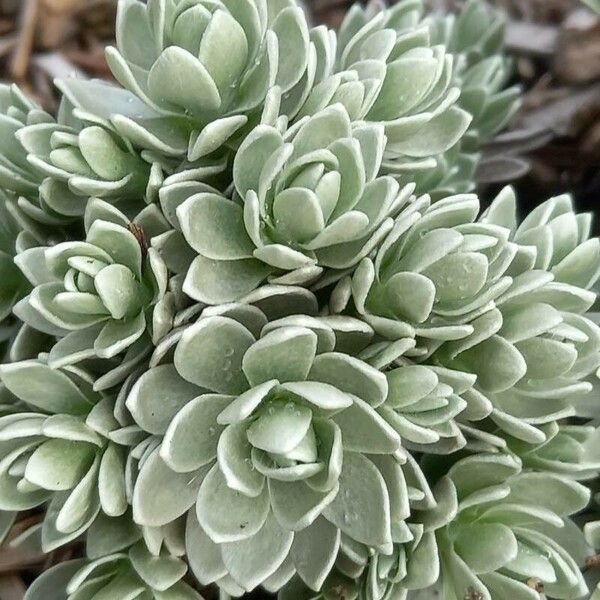
The North Island Edelweiss is New Zealand’s stunning answer to the famous European mountain flower. Often called the "Silver Star of the Peaks," this alpine perennial looks like it has been fashioned out of soft, white flannel or dusted with a permanent layer of fresh frost. It is a rugged survivor, naturally found clinging to the rocky cliffs and scree slopes of the North Island's high volcanic plateaus.
🔍 How to Identify
- ❄️ Foliage: Small, overlapping leaves that are completely covered in a dense, silvery-white woolly down, giving the plant a soft, velvety texture.
- ⭐ Flower Bracts: The "petals" are actually 8–15 woolly, white leaf-like bracts that form a perfect star shape, measuring up to 2 inches across.
- 🌼 True Flowers: In the very center of the woolly star sit tiny, golden-yellow flower heads that provide a subtle pop of color against the silver.
🏡 In Your Garden
- 🪨 Rock Specialist: This plant is a "lithophyte" by nature, meaning it loves growing in cracks between stones. In a garden setting, it requires exceptionally gritty, free-draining soil to mimic its mountain home; it will quickly perish in heavy, waterlogged clay.
- 🌬️ Humidity Hater: While it is incredibly frost-hardy, it struggles in muggy, humid lowland heat. It prefers "cool feet" and high light, making it a perfect candidate for an alpine trough or a raised rockery where air can circulate freely around its woolly leaves.
⚠️ Safety & Toxicity
- ✅ Status: Generally considered non-toxic and safe.
- 🐾 Details: There are no known toxins in Leucogenes leontopodium that threaten humans, cats, or dogs. However, its fuzzy texture can be a mild irritant if a curious pet tries to chew on it, and it is best kept as a decorative specimen rather than a snack.
✨ Fun Fact
The genus name Leucogenes translates literally from Greek as "white-born." The thick white "hair" on the leaves isn't just for looks—it acts as a natural sunscreen and a thermal blanket, protecting the plant from the intense UV rays and freezing winds of the New Zealand Alps.

Detailed Care Instructions

Place in a bright room that is sun drenched almost all day. Or directly in a south-facing window.

Some plants require more regular watering than others, which should be done every few days. It's critical to maintain the soil moist all of the time. The water requirements of the same plant placed in pots with varying sizes will differ. Because the water in the smaller pot evaporates faster than the water in the larger pot, it will require more watering. Regardless of pot size, the surface should constantly be maintained moist.








