Plant Overview
Often referred to as the Sansapote or Monkey Apple, this majestic tropical giant is a staple of Central American landscapes. Known for its massive stature and heavy, pendulous fruits, the Licania platypus is a slow-growing titan that offers deep shade and a unique, prehistoric aesthetic to any large-scale garden or forest.
🔍 How to Identify
- 🍃 The Leaves: Long, narrow, and leathery, these leaves can reach up to 10–15 inches in length. They have a distinct "glossy" top and a paler underside, hanging in dense, heavy clusters.
- 🥔 The Fruit: The most striking feature is its large, egg-shaped fruit covered in a rough, brownish-grey, warty skin. Inside, the flesh is bright orange and fibrous, surrounding a single large seed.
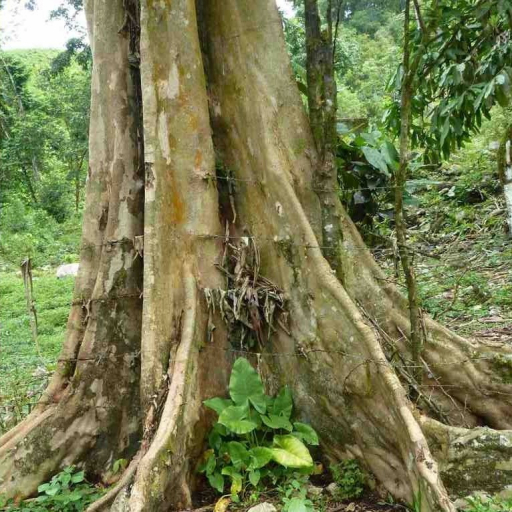
- 🌳 The Trunk: In its maturity, the tree develops a thick, dark trunk that often features impressive "buttress" roots at the base, helping it stand firm against tropical storms.
🏡 In Your Garden
- 📏 Space Requirements: This is not a plant for small spaces or containers. Because it produces a deep taproot and a massive canopy, it hates being moved once planted and requires plenty of room to stretch its roots without hitting pipes or foundations.
- 💧 Climate & Soil: It thrives in deep, fertile, and well-draining soil. While it loves the humidity of the tropics, it is surprisingly resilient to short dry spells once its root system has matured.
⚠️ Safety & Toxicity
- ✅ Status: Generally safe and non-toxic.
- 😋 Details: The fruit is edible for humans and is often described as having a sweet, pumpkin-like flavor. While not toxic to pets, the large, heavy seeds could pose a significant choking hazard or cause digestive blockages in dogs if swallowed.
✨ Fun Fact
The Sansapote is a test of patience for any gardener; the fruit can take up to a full year to ripen on the branch! Because of its long development time, it’s common to see flowers and mature fruit on the tree at the very same time.

Detailed Care Instructions








