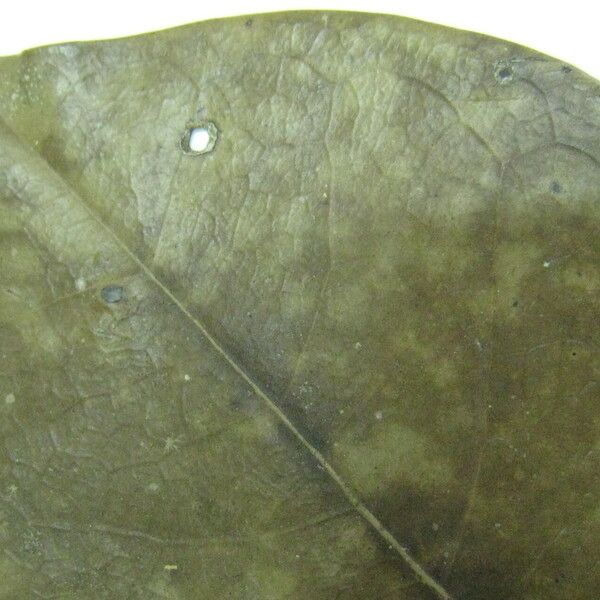
Plant Overview
Known to botanists as a hidden gem of the tropical Americas, Licaria rufotomentosa is a member of the fragrant Laurel family—the same lineage that gives us cinnamon and avocado. Often called the Rusty Licaria, its name comes from the striking, velvet-like "rufous" (reddish-brown) hairs that coat its young stems and leaf undersides. It is a slow-growing, dignified tree that adds a deep, earthy texture to any tropical collection.
🔍 How to Identify
- 🍂 Rusty Foliage: The most distinct feature is the "tomentum"—a layer of fine, rusty-colored fuzz found on the undersides of the leaves and new twigs, giving the plant a warm, copper glow.
- 🌿 Leathery Leaves: The leaves are thick, elliptical, and have a deep green, glossy upper surface that contrasts sharply with the fuzzy underside.
- 🌰 Acorn-like Fruit: It produces small, dark berries that sit inside a woody, cup-like structure (called a cupule), making them look remarkably like tropical acorns.
🏡 In Your Garden
- ☁️ Humidity Lover: Being a native of tropical rainforests, this plant thrives in high humidity and dappled light. It mimics its natural role as an "understory" tree, meaning it prefers the filtered sunlight found beneath larger forest canopies.
- 🌱 Slow and Steady: This is not a fast-growing "filler" plant. It invests its energy into dense, high-quality wood and thick leaves, meaning it requires patience and a stable environment without frequent moving or transplanting.
⚠️ Safety & Toxicity
- 🐾 Mild Concern: Like many members of the Lauraceae family, the plant contains essential oils and compounds that can cause stomach upset if leaves or berries are ingested in large quantities.
- 👶 Keep Out of Reach: While not considered highly toxic to humans, it is best kept away from curious pets and small children to avoid potential allergic reactions or digestive distress.
✨ Fun Fact
The wood of the Licaria genus is famously dense and durable; in some regions, it is so heavy that it will actually sink in water rather than float!

Detailed Care Instructions








