Plant Overview
Hailing from the misty heights of the Himalayas, Ligusticopsis wallichiana, commonly known as Wallich’s Milk Parsley, is the "ethereal lace" of the plant world. It creates a delicate, architectural silhouette that adds a touch of wild mountain elegance to any landscape. In its native range, it is often found in alpine meadows, where it is admired for its ability to look fragile while surviving harsh, high-altitude winds.
🔍 How to Identify
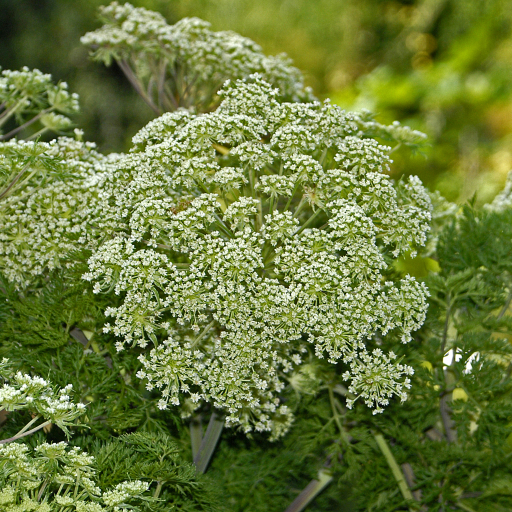
- 🌿 Lacy Foliage: The leaves are deeply divided and bipinnate, creating a feathery, fern-like appearance that stays lush throughout the summer.
- ☁️ Cloudy Umbels: It produces large, flat-topped clusters (umbels) of tiny, star-shaped white flowers that look like lace doilies hovering above the foliage.
- 📏 Upright Habit: The plant grows in a sturdy, upright mound, with flowering stems that can reach 3 to 4 feet tall, standing out against darker garden backdrops.
🏡 In Your Garden
- 🏔️ Mountain Preference: This plant thrives in "cool roots, sunny heads" conditions. It loves rich, organic soil that remains consistently moist but drains well, mimicking the damp slopes of the Himalayas.
- ⚓ Taproot Sensitivity: It develops a deep taproot early on, which makes it very drought-tolerant once established but also means it "hates" being moved. Plan its location carefully to avoid transplant shock.
- ⛅ Light Play: While it enjoys the sun, in hotter climates, it appreciates afternoon shade to prevent its delicate, feathery leaves from scorching or wilting.
⚠️ Safety & Toxicity
- 🐾 Pet & Child Safety: While not considered high-risk like its cousin Hemlock, it is best kept away from curious nibblers. Ingesting large amounts may cause stomach upset in pets or small children.
- 🎭 Look-alike Warning: Members of the Apiaceae (carrot) family often look similar. Always be 100% certain of the identification before handling extensively, as some relatives can cause skin irritation (phytophototoxicity) when sap is exposed to sunlight.
✨ Fun Fact
- 📜 The Wallich Legacy: The plant is named after Nathaniel Wallich, a famous 19th-century botanist and surgeon. He was so prolific in his discoveries that over 30 different plant species bear his name today!

Detailed Care Instructions








