Plant Overview
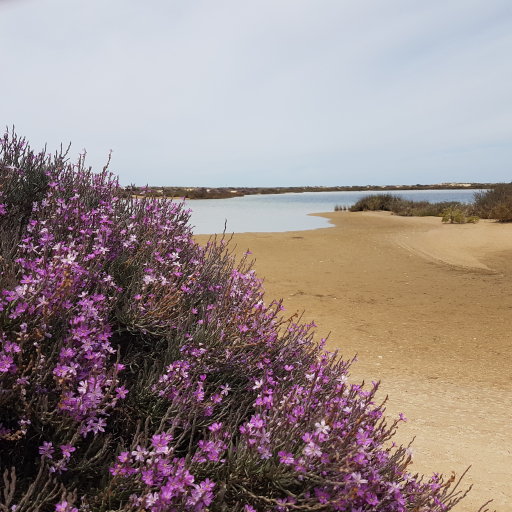
Known as the Mediterranean Statice or Rosy Sea Lavender, this hardy shrub is a coastal champion. Often found braving the salty winds of the Iberian Peninsula and North Africa, it adds a splash of rosy-purple to sandy, rugged landscapes. Its Latin name, monopetalum, is a bit of a botanical riddle; while the flowers appear to have five distinct petals, they are actually fused at the base into a single, delicate tube.
🔍 How to Identify
- 🍃 Foliage: The leaves are thick, leathery, and spatula-shaped, often sporting a dusty grayish-green color that helps reflect intense sunlight.
- 🌸 Blossoms: It produces dense clusters of small, trumpet-shaped flowers in shades of lavender, pink, or violet that bloom primarily in late spring and summer.
- 🏗️ Growth Habit: A low-growing, evergreen shrub that typically forms a dense, rounded mound, reaching about 1 to 1.5 meters in height.
🏡 In Your Garden
- 🌊 Coastline Specialist: This is a "front-line" plant, meaning it can handle direct salt spray and briny winds that would wither most other garden species. It is the ultimate choice for seaside balconies and coastal rockeries.
- 🏜️ Drought Warrior: Once its root system is established, it is incredibly water-wise. It prefers "tough love" and well-draining, even sandy or poor-quality soil, rather than rich, pampered potting mixes.
- ☀️ Sun Seeker: To keep its form compact and its colors vibrant, it requires a position in full, unadulterated sun. In shady spots, the plant may become "leggy" and produce fewer flowers.
⚠️ Safety & Toxicity
- ✅ Safe Status: Limoniastrum monopetalum is not known to be toxic to humans, cats, or dogs. It is generally considered a "friendly" addition to a family garden.
- 🧤 Physical Protection: While not poisonous, the older woody stems can become quite stiff and scratchy. It is wise to wear gardening gloves when pruning to avoid minor skin irritation or scrapes.
✨ Fun Fact
This plant has a salty "superpower." Like many halophytes (salt-loving plants), it possesses specialized glands on its leaves that allow it to "sweat" out excess salt. If you look closely at the foliage on a dry day, you can often see tiny, shimmering crystals of salt crusting the surface of the leaves!

Detailed Care Instructions
To grow Limoniastrum monopetalum, also known as the saltmarsh rose, follow these steps:
- Choose a suitable location: Limoniastrum monopetalum thrives in sandy, well-drained soil and prefers full sun. It is also tolerant of saltwater, making it a great choice for coastal gardens or areas with saline soil.
- Obtain seeds or seedlings: You can find Limoniastrum monopetalum seeds or starter plants from nurseries or online seed suppliers. If you are starting from seeds, sow them in late winter or early spring.
- Prepare the soil: Ensure that the soil is well-draining as Limoniastrum monopetalum does not tolerate waterlogged conditions. Amend the soil with organic matter such as compost or well-rotted manure to improve fertility.
- Sow the seeds or plant the seedlings: If you are starting from seeds, scatter them on the soil surface and cover lightly with a thin layer of soil. For seedlings, dig a hole that is slightly larger than the plant's root ball, place the seedling in the hole, and backfill with soil.
- Water adequately: Limoniastrum monopetalum requires regular watering during its initial establishment period. Keep the soil consistently moist but not soggy. Once the plant is established, it can tolerate some drought.
- Mulch: Apply a layer of organic mulch, such as wood chips, around the base of the plant. This helps conserve soil moisture and suppress weed growth.
- Prune as needed: Limoniastrum monopetalum generally does not require heavy pruning. However, you can trim back any leggy or damaged branches to maintain a desirable shape. Pruning can be done in early spring or after flowering.
- Monitor for pests and diseases: Limoniastrum monopetalum is generally pest and disease resistant. However, regular inspection is recommended to catch any potential issues early. If any problems arise, consult with a local garden center or horticulturist for appropriate treatment options.
- Overwintering: In colder regions, Limoniastrum monopetalum may not be as hardy. However, it can still be grown as an annual or potted plant in those areas. Alternatively, you can protect the plant by covering it with a frost blanket or moving it to a sheltered location during the winter months.

Place in a bright room that is sun drenched almost all day. Or directly in a south-facing window.

To water this plant, you should first check the soil moisture level by sticking your finger about an inch into the soil. If it feels dry, you can water the plant thoroughly, making sure to saturate the soil. Allow any excess water to drain away from the pot, as this plant prefers moist but well-drained soil. Be careful not to let the plant sit in standing water, as this can lead to root rot. Water more frequently during hot, dry weather but reduce waterings during cooler months. It may also benefit from misting the leaves occasionally with a fine spray of water.
To fertilize Limoniastrum Monopetalum, you can follow these instructions:
- Choose a balanced fertilizer: Use a general-purpose fertilizer with an equal ratio of nitrogen (N), phosphorus (P), and potassium (K). For example, a 10-10-10 or 20-20-20 fertilizer would work well.
- Dilute the fertilizer: Mix the fertilizer with water according to the manufacturer's instructions. Typically, a dilution ratio of 1 tablespoon of fertilizer per gallon of water is suitable.
- Water the plant: Before applying fertilizer, thoroughly water the soil around the plant. This helps prevent fertilizer burn and ensures that the nutrients are evenly distributed throughout the root zone.
- Apply fertilize evenly: Pour the diluted fertilizer solution around the base of the Limoniastrum Monopetalum plant, avoiding direct contact with the leaves or stems. Distribute it evenly to cover the entire root zone.
- Repeat fertilization: Fertilize Limoniastrum Monopetalum once every 4-6 weeks during the growing season (typically spring and summer). Adjust the frequency based on the plant's response and follow the packaging instructions to avoid excessive feeding.
- Monitor plant health: Observe the plant for signs of over-fertilization, such as yellowing leaves, stunted growth, or burned edges. If these symptoms occur, discontinue fertilization and flush the soil with plain water to remove any excess nutrients.
Remember, it's crucial to read and follow the specific instructions provided by the fertilizer manufacturer, as different products may have varying application rates and guidelines.
The Limoniastrum Monopetalum plant prefers a well-draining soil that is rich in organic matter. A soil mixture that contains a combination of garden soil, peat moss, and perlite or sand is ideal for this plant. The soil pH should be slightly acidic to neutral, with a range of 6.0 to 7.0 being the optimal range. It is important to avoid using heavy soils that retain moisture, as this can lead to root rot. Adding a layer of mulch around the plant can help to retain moisture and prevent weed growth. The Limoniastrum Monopetalum is adaptable to a wide range of soils, but prefers soils that are fertile, well-drained, and have good air circulation.
To propagate Limoniastrum Monopetalum, you can follow these steps:
- Collecting seeds: Wait for the plant to produce flowers and form seed pods. The pods will turn brown when they are mature. Cut off the seed pods carefully using garden shears or scissors, ensuring that you do not damage the plant.
- Seed treatment: Soak the seeds in warm water for 24 hours to soften the hard seed coat. This process, known as scarification, helps improve germination rates.
- Preparing the soil: Choose a well-draining potting mix or a combination of peat moss and perlite. Fill a small container, such as a seed tray or pots, with the prepared soil.
- Sowing the seeds: Disperse the seeds evenly on top of the soil surface. Gently press them into the soil so that they make good contact but are not buried too deeply.
- Watering: Moisten the soil surface using a fine mist or a watering can with a rose attachment. Avoid overwatering, as excessive moisture can lead to fungal diseases. Ensure the soil remains consistently moist until germination occurs.
- Germination: Place the container in a warm location with sufficient indirect sunlight. Maintain a temperature between 70-85°F (21-29°C) to promote successful germination. Germination can take several weeks, so be patient and continue to provide ideal conditions.
- Transplanting: Once the seedlings have grown a few sets of leaves and are large enough to handle, you can transplant them into individual pots or separate them into larger containers. Use care during transplanting to avoid damaging the delicate roots.
- Providing ongoing care: Place the potted seedlings in a sunny location or under grow lights. Water them regularly, allowing the top inch of soil to dry out slightly between waterings. Fertilize the plants with a balanced liquid fertilizer once a month to promote healthy growth.
Remember to provide adequate protection from extreme temperatures, pests, and diseases. As the Limoniastrum Monopetalum plants mature, they will eventually produce flowers and form seed pods, completing the life cycle.
Note: It is always best to refer to the specific needs of the plant genus and species you are propagating, as cultivation methods can vary slightly between different species within the same genus.








