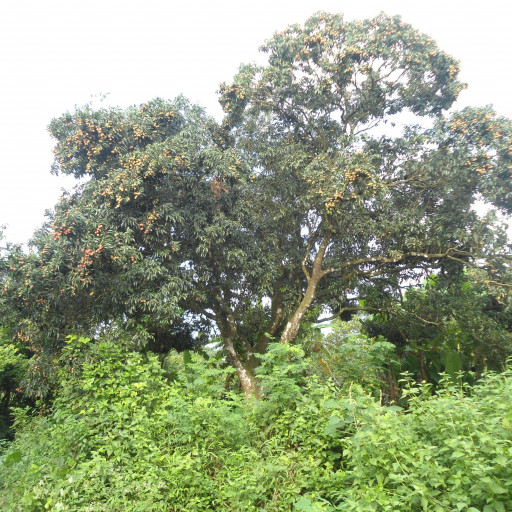
Plant Overview
Known as the "Alligator Strawberry" or the "King of Fruits," the Lychee is a tropical evergreen tree with a history as rich as its flavor. Native to Southern China, these trees have been cultivated for over 2,000 years and were once so prized that they were used as tribute to Chinese Emperors, delivered by high-speed horse relays across the empire.
🔍 How to Identify
- 🍃 Glossy Foliage: The leaves are leathery, lance-shaped, and grow in pairs. They emerge with a reddish-bronze tint before maturing into a deep, lustrous green.
- 🌸 Petal-less Blooms: In spring, the tree produces massive clusters of tiny, greenish-white or yellowish flowers. Interestingly, these flowers lack petals but are highly fragrant and attract various pollinators.
- 🍓 The "Strawberry" Fruit: The most iconic feature is the fruit, which grows in heavy drooping clusters. Each fruit has a tough, bumpy, pinkish-red rind that peels away to reveal translucent, jelly-like white flesh.
🏡 In Your Garden
- 💧 Humidity is Key: As a tropical native, the Lychee craves high humidity and consistent moisture. It is particularly sensitive to dry, hot winds, which can cause the fruit to drop prematurely or the leaf tips to scorch.
- 🌱 Root Sensitivity: Lychees have a relatively shallow and delicate root system. They despise "wet feet" (standing water) but also hate drying out completely. When planting, avoid disturbing the root ball, as they are prone to transplant shock.
- ❄️ Frost Warning: While mature trees can handle a light, brief frost, young Lychee plants are extremely cold-sensitive and will likely perish if temperatures dip below freezing for an extended period.
⚠️ Safety & Toxicity
- 🟢 Status: Edible fruit; toxic seeds and skin.
- 🐕 Details: While the translucent white flesh is a delicious treat for humans, the large brown seed (and the skin) should never be consumed. The seeds contain compounds that can cause a severe drop in blood sugar (hypoglycemia). Keep seeds away from curious pets and small children.
✨ Fun Fact
The most famous Lychee lover in history was Yang Guifei, the favorite concubine of Emperor Xuanzong (Tang Dynasty). The Emperor set up a dedicated "Pony Express" of fast horses to carry fresh lychees from the southern provinces to the northern capital just to keep her smiling!

Detailed Care Instructions
| Color | White, Yellow, Green |
| Soil Ph | 5 To 5.5 |
| Humidity | High |
| Lighting | Full Sun |
| Toxicity | Poisonous |
| Soil Type | Sandy Or Loam |
| Bloom Time | Early Spring |
| Difficulty | Hard |
| Plant Type | Evergreen Tree |
| Mature Size | 30 To 100 Feet Tall Outdoors, 10 Feet Indoors |
| Native Area | Guangdong And Fujian Provinces Of Southern China (Tropical) |
| Temperature | 18°C - 24°C |
| Sun Exposure | Full Sun |
| Hardiness Zones | 10, 11 |
Here are some steps to help you grow a Litchi Chinensis plant:
- Climate: Litchi Chinensis plants thrive in warm tropical or subtropical climates. Ensure that your location has a temperature range between 25-30°C (77-86°F) for optimal growth.
- Soil: Litchi Chinensis prefers well-draining soil with a pH level between 6.5-7.5. Use a mixture of regular garden soil, sand, and compost or well-rotted manure to create a fertile soil bed.
- Planting: Start by cultivating the soil to loosen it up. Dig a hole that is twice the size of the plant's root ball. Place the plant in the hole and backfill it with soil, firming it gently around the base. Ensure that the grafted joint is above the soil surface.
- Watering: Water the plant immediately after planting it to settle the soil. Afterwards, water it regularly, ensuring that the soil remains moist but not waterlogged. During the hot summer months, the plant may require more frequent watering.
- Sunlight: Litchi Chinensis plants prefer full sun exposure to flourish. Provide at least 6-8 hours of direct sunlight daily.
- Fertilization: Apply a balanced fertilizer, such as a 10-10-10 or 14-14-14, every 2-3 months during the growing season. Be careful not to over-fertilize, as it may cause damage to the plant.
- Pruning: To promote healthy growth and shape the tree, perform light pruning during the early stages of growth. Remove any dead, diseased, or overcrowded branches to improve air circulation and prevent diseases.
- Pollination: Litchi Chinensis plants require cross-pollination to produce fruits. Planting another Litchi Chinensis or a compatible variety nearby will facilitate pollination.
- Protection: Protect the plant from strong winds and extreme temperature fluctuations, as they can damage the plant and affect fruiting.
- Pest and disease control: Monitor the plant regularly for any signs of pests or diseases, such as aphids, fruit flies, or fungal infections. Use appropriate organic or chemical insecticides and fungicides to control these issues if necessary.
Remember to be patient, as it may take several years for the Litchi Chinensis plant to bear fruits. With proper care and conditions, you can enjoy the delicious fruits of your efforts.

Place in a bright room that is sun drenched almost all day. Or directly in a south-facing window.

The recommended method for watering this plant involves ensuring that the soil remains moist but not waterlogged. Water should be added regularly, with the frequency varying depending on factors such as the plant's location, the temperature, and the humidity in the air. It is important not to let the soil dry out completely between waterings, as this can lead to stress and damage to the plant. At the same time, overwatering should be avoided, as this can cause the roots to become waterlogged and lead to root rot. It is generally best to water the plant early in the day, so that any excess moisture can evaporate throughout the day and reduce the risk of fungal diseases. When watering, it is recommended to use a gentle stream of water and to aim it at the base of the plant, rather than at the foliage, to prevent water from being trapped in the flower or fruit clusters. Finally, it is important to monitor the soil closely and adjust the watering schedule as needed based on the plant's response and any signs of stress or damage.
To fertilize the aforementioned plant, use a balanced granular fertilizer with a 3-1-2 or 4-1-2 ratio of nitrogen, phosphorus, and potassium. Apply the fertilizer evenly around the base of the plant, avoiding direct contact with the trunk and roots. Water thoroughly after applying the fertilizer to help it reach the roots. Fertilize every six to eight weeks during the growing season, reducing frequency in fall and winter. Always follow the manufacturer's instructions for application rates and frequency.
The best soil for growing Litchi Chinensis plant is a loose, well-draining soil that is rich in organic matter. It should be slightly acidic with a pH range of 5.5 to 6.5. The soil should be able to retain moisture without being too waterlogged. Clay soil should be avoided as it holds water for a long time and can suffocate the roots of the plant. Adding compost or aged manure to the soil before planting will help to provide the necessary nutrients for healthy growth. Mulching around the base of the plant with organic matter, such as straw or leaves, will help to maintain soil moisture and suppress weeds. It is also important to avoid planting in areas prone to flooding or waterlogging, which can lead to root rot and other diseases.
To propagate this plant, you will need to first select a healthy mother plant that is disease-free. Then, collect some fresh seeds from the fruit of the mother plant and clean them thoroughly. Soak the seeds in water for 24 hours before planting them in a well-draining potting mix.
Cover the pot with a plastic bag to create a mini greenhouse and place it in a warm and bright location, but not in direct sunlight. Water the seeds periodically to keep the soil moist.
After 2-3 weeks, the seeds should begin to sprout. Wait until the seedlings have at least two leaves before transplanting them into individual pots or directly into the ground.
Alternatively, you can propagate this plant through air layering by selecting a healthy branch and making a small cut in it. Apply rooting hormone and wrap the cut portion with sphagnum moss. Keep the moss moist and wait for roots to form. Once roots have developed, cut the branch below the moss and pot it in a well-draining potting mix.
Common pests of the lychee include Scale insect, mealybugs, spider mites, aphids, larvae. Make a habit of checking your lychee frequently for pests so that any infestations can be caught and managed early.








